AI Logo Generators in 2026: Can AI Design Your Logo?
AI logo generators are tools that turn a text prompt or a few questions about your business into finished logo designs in seconds. In 2026 they are genuinely useful for exploring directions fast and cheaply, and the best output is now clean enough to launch with — but they design a *mark*, not a *brand*, and two hard limits remain: a purely AI-generated logo may not be something you can fully own, and it can't make the strategic choices that make a logo mean anything. So yes, AI can design your logo. Whether it should design the logo you build a business on is a different question. The technology crossed a real threshold recently: modern image models render typography accurately and produce coherent, on-brief marks, so the days of melted letters and six-fingered mascots are largely behind us. That progress is exactly why it's worth being clear-eyed about what these tools still can't do.
As a Top Rated Plus branding agency on Upwork with 8+ years and 3,000+ projects across 30+ countries and a 100% Job Success score, we've built brand identities from scratch and rescued more than a few that started as a cheap generated logo. We're not anti-AI — we use these tools daily. This is the practical version of when they help and when they cost you.
What AI logo generators actually do well in 2026
The honest good news first, because it's real. A generator collapses the slowest, most expensive part of early logo work — producing lots of rough directions — into minutes. For a founder validating an idea, a side project, or an internal tool that will never carry a serious brand, that speed and low cost are exactly right. You can explore fifty visual territories before lunch, land on a direction that feels close, and move on. The output quality has climbed steeply: current leading image models render short marks, full wordmarks and stylised lettering reliably, so the results look finished rather than obviously machine-made.
Used as an ideation tool — a way to generate raw material and pressure-test directions — AI is a legitimate part of a modern designer's workflow, the same way AI image generation has become part of producing brand visuals. The trouble starts when the generated file is treated as the finished brand rather than the first five minutes of it.
The two kinds of AI logo tool
"AI logo generator" covers two quite different things, and knowing which you're using changes what you should expect.
1. Template-driven logo makers
Tools like Looka and Brandmark ask a few questions — your name, industry, a style preference — and assemble logos from curated fonts, icons and layouts, then wrap the result in a brand kit (business cards, social avatars, colour palettes). They're fast, cheap, and produce something usable in minutes. The trade-off is distinctiveness: because everyone draws from similar icon and font libraries, the output can feel templated, and another business in your sector can easily land somewhere close to yours.
2. Generative image models
The newer route is prompting a general image model — GPT Image, Ideogram, Google's Gemini image models, or Recraft — directly. These give far more creative range and can chase a specific idea, but they behave like image generators, not brand tools: most produce a raster picture of a logo rather than the editable vector file you actually need. Two stand out for logo work in 2026 — Ideogram for text accuracy (its typography rendering is dramatically ahead of most rivals, which matters for wordmarks), and Recraft, which generates native SVG with real vector paths rather than a bitmap dressed up as one.
| Tool type | Best for | Watch out for |
|---|---|---|
| Template maker (Looka, Brandmark) | Fast, cheap first logo + brand kit for small businesses | Templated feel; limited distinctiveness |
| Ideogram | Wordmarks and text-heavy logos — leading typography accuracy | Raster output; needs redrawing to true vector |
| Recraft | Editable native SVG vector output | Steeper learning curve than a guided maker |
| GPT Image / Gemini image | Wide creative exploration and iteration on a concept | Raster files; consistency and ownership caveats |
Whichever route you take, note the recurring theme: the file you get is usually a raster image, and a real logo has to work as clean vector art so it stays crisp from a favicon to a billboard — one of the practical gaps between a generated picture and a production-ready brand identity.
The single most overlooked issue with AI logos isn't quality — it's ownership. In 2026 the position in the US is that a purely AI-generated design, created from a prompt with no meaningful human authorship, generally can't be registered for copyright, because copyright still requires human creative input. Trademark is more forgiving — you can usually register an AI-generated logo as a trademark because trademark rights come from using a distinctive mark in commerce, not from authorship — but the copyright gap is real. If a competitor copies a logo you can't claim copyright in, your options narrow. This is why teams who are serious about a mark have a designer meaningfully rework the AI output before they build a business on it.
Can you actually own an AI-generated logo?
This deserves more than a footnote, because it's the question that catches founders out. There are two separate protections and AI logos sit differently on each:
- Trademark — usually yes. Trademark protects a mark used to identify your goods or services in the market. It doesn't require human authorship, so an AI-generated logo can generally be registered as a trademark provided it's distinctive, actually used in commerce, and not confusingly similar to an existing mark. Ownership here flows from use, not from who (or what) drew it.
- Copyright — often no. Copyright protects original creative expression and, under current US Copyright Office guidance, requires meaningful human authorship. A logo generated purely from a prompt typically fails that test, leaving a gap: you might hold the trademark but not a copyright in the underlying artwork.
- The fix is human involvement. AI-assisted work can qualify for copyright once a human adds original, creative expression — so meaningfully redrawing, restructuring or building on the AI output strengthens both your legal position and the mark itself. Rules also vary by country, so check your jurisdiction before you rely on any of this.
None of this is legal advice, and the law here is moving quickly — but the practical takeaway is stable: the more genuine human design goes into the final mark, the stronger your claim to it. A logo you can't defend is a weak foundation for a brand you're investing in.
Where AI logos fall short of a brand
Even setting ownership aside, a generator produces a logo in a vacuum, and a logo only earns its keep as part of a system. The gaps are consistent:
- No strategy behind it. A generator doesn't know your positioning, your audience, or what makes you different — so it can't encode any of that into the mark. It matches keywords to shapes. A real logo is the visible tip of a brand strategy; the AI skips straight to the tip.
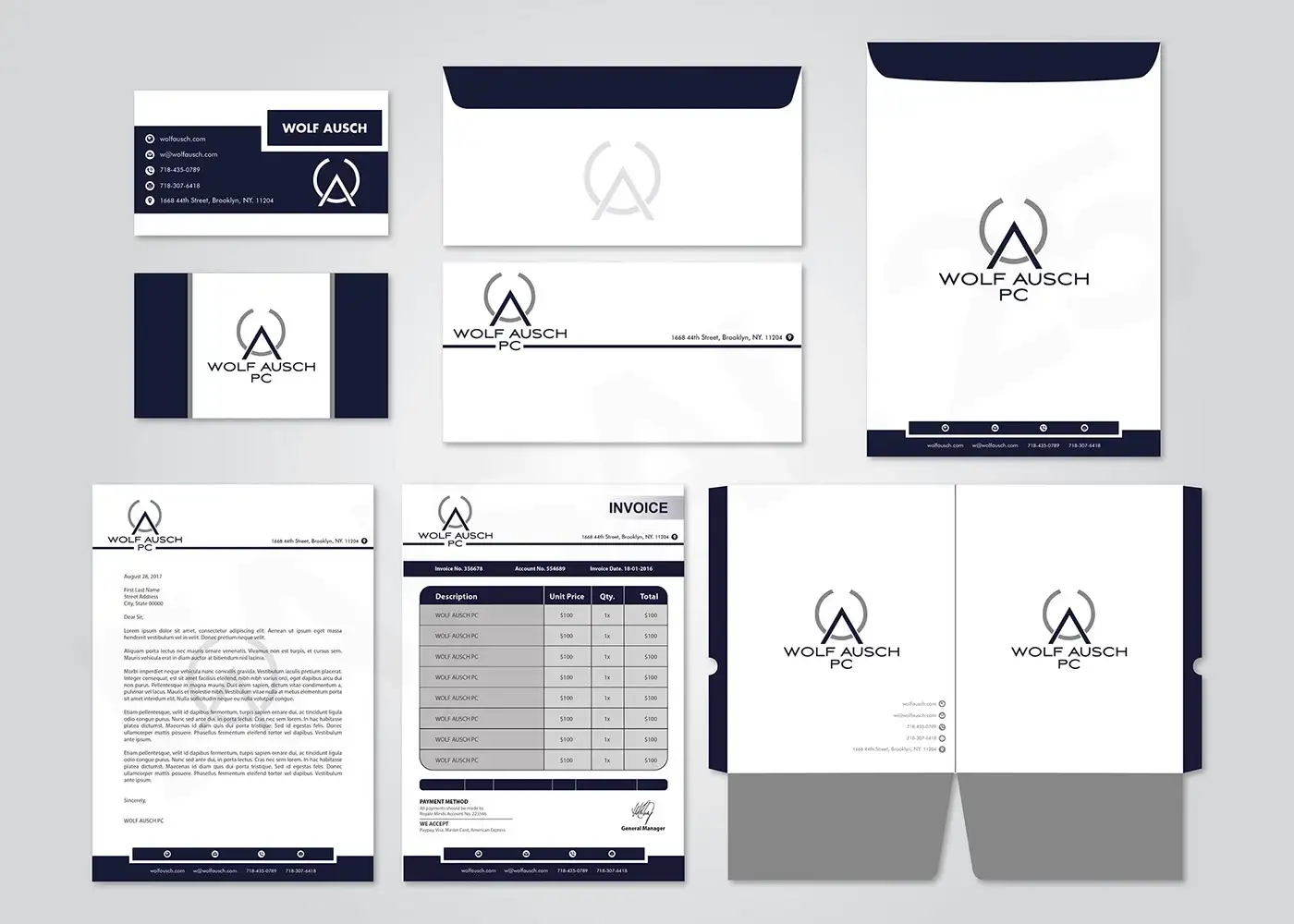
- A mark, not a system. Brands live across dozens of contexts — app icons, signage, merchandise, dark and light backgrounds, one colour, tiny sizes. That takes a considered set of brand guidelines and a flexible identity, not a single PNG.
- Weak on meaning and craft. The details that make a mark memorable — a deliberate negative-space idea, custom letterforms, considered typography and a colour choice tied to your positioning — are judgement calls a generator doesn't make.
- Sameness risk. Because tools draw from shared libraries and training data, generated logos can converge on the same safe, of-the-moment looks — the opposite of the distinctiveness a brand needs to stand out.
This is the difference between a logo and an identity, which we cover in full in logo design vs brand identity: the mark is one asset in a system built to make you recognisable and trusted over years.
How to use AI logo tools the right way
The smart move isn't to avoid these tools or to trust them blindly — it's to put them in the right seat. Here's the workflow we'd recommend:
- Do the strategy first. Before you generate anything, get clear on who you serve, how you're different, and the personality you want to project. That thinking is what a generator can't do — and it's what makes any logo, AI-made or not, actually work. Start with the basics of building a brand identity.
- Use AI to explore, not to decide. Generate widely to discover directions and shortcut the blank page. Treat the output as mood and raw material, not the final answer.
- Pick a direction, then have it properly designed. Take the strongest idea and have a designer rebuild it as clean vector art, refine the craft, and — importantly — add enough genuine human authorship to strengthen your ownership claim.
- Build the system around it. Turn the mark into a real identity: variations, spacing rules, colour, type, and usage guidance so it holds up everywhere. This is where a logo becomes a brand.
- Check ownership before you commit. Confirm you can register the mark you want, run a basic trademark check for conflicts in your market, and keep records of the human design work involved.
The bottom line
Can AI design your logo in 2026? Technically, yes — and for a quick test, a throwaway project, or a starting point to react to, an AI logo generator is a genuinely good use of ten minutes and a few dollars. But a logo you'll put on your homepage, your invoices and your storefront for the next decade is not really a picture problem; it's a strategy, ownership and system problem, and those are exactly the parts AI hands back to you. Use the tools to move faster through the easy part, then invest human judgement in the hard part that actually protects and builds the brand.
If you want a logo and identity you can own, scale and stand behind — built on strategy, not just a good-looking export — that's what our branding and identity team does every week. See verified reviews on our Upwork profile and start with a brand that's built to last, not just generated.
Related reading: how to turn an AI-generated name into an ownable one in AI brand naming, and what a proper logo design service for startups delivers beyond a generator.
Frequently asked questions
Are AI logo generators good enough to use in 2026?
For the right job, yes. The output quality has improved sharply — modern AI models render clean typography and coherent marks, so results look finished rather than obviously machine-made. That makes AI logo generators genuinely useful for exploring directions quickly, validating an early-stage idea, or producing a logo for a side project or internal tool on a tight budget. Where they still fall short is everything around the mark: they don't know your strategy or positioning, they usually output a raster image rather than the editable vector file a real logo needs, and a purely AI-generated design can be hard to fully own. So they're excellent for the fast, exploratory part of the work and weak for the strategic, ownable, system-level part. The best approach is to use them to generate directions, then have a designer develop the chosen one into a proper identity.
Can you trademark or copyright an AI-generated logo?
The two protections behave differently. Trademark is usually available: because trademark rights come from using a distinctive mark in commerce rather than from authorship, you can generally register an AI-generated logo as a trademark if it's distinctive, actually used in your business, and not confusingly similar to an existing mark. Copyright is more restrictive — under current US Copyright Office guidance it requires meaningful human authorship, so a logo generated purely from a prompt often can't be registered for copyright, leaving a gap where you may hold the trademark but not a copyright in the underlying artwork. The practical fix is human involvement: having a designer meaningfully rework the AI output can add the original expression copyright needs and strengthens your overall claim. Rules vary by country and the law is evolving, so check your jurisdiction and treat this as general information, not legal advice.
What's the difference between a logo and a brand identity?
A logo is a single mark — the symbol or wordmark that identifies you at a glance. A brand identity is the whole visual and verbal system that mark lives inside: your colour palette, typography, imagery style, layout rules, tone of voice and the guidelines that govern how they all work together across every context, from an app icon to a billboard. AI logo generators produce the mark in isolation, which is why a generated logo on its own tends to feel thin — there's no system holding it up. A strong identity is what makes a business look consistent and trustworthy everywhere it appears, and it's built from strategy rather than assembled from templates. That's the part worth investing in beyond the logo itself.
Should a serious business use an AI-generated logo?
It depends on how central the brand is to the business. For a quick experiment, a temporary need, or a venture where the brand isn't the point, an AI-generated logo is a reasonable, low-cost choice. For a business you intend to grow and invest in for years, we'd recommend using AI to explore directions but not to produce the final mark. The reasons are practical: a generator can't encode your positioning or make it distinctive, it hands you a mark rather than a scalable system, and a purely AI-made logo may not be something you can fully own and defend. The strongest route is a hybrid one — let AI accelerate the exploration, then have a designer develop the best idea into an ownable, considered identity built on real strategy. That gives you the speed of AI without building your brand on a foundation you can't protect.
Want this done for you?
FRPROTECH is a Top Rated Plus Upwork agency with 3,000+ projects delivered across 30+ countries. Tell us your goals and we'll handle the rest.
Written by the FRPROTECH design team. 8+ years building brands and websites for clients in 30+ countries, with a 100% Job Success Score on Upwork.