FRPROTECH Insights
Practical, no-fluff guides on branding, graphic design, UI/UX, web development, and SEO, written for founders and marketing teams deciding how to build, design, and grow. Drawn from 3,000+ projects across 30+ countries as a Top Rated Plus agency on Upwork.
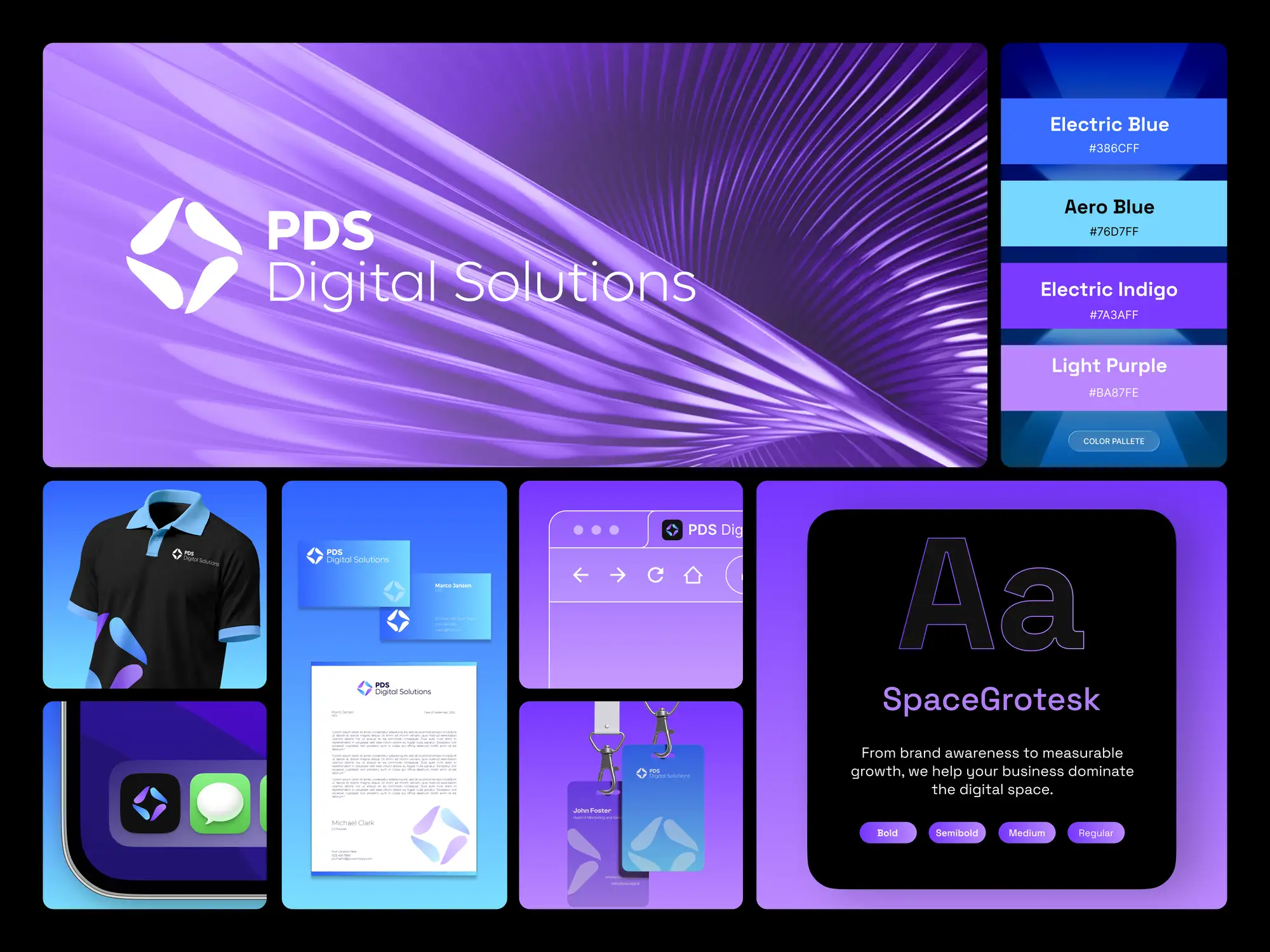
A logo is one asset. A brand identity is the whole system that makes a business recognisable. Here's how they differ, and why most brands need both.
Read article

Graphic Design
In 2026 you can photograph a product with your phone on a kitchen table, upload it, and get back a clean packshot on white plus a dozen lifestyle scenes — a shampoo bottle on marble, a candle by a window, a gadget in a styled workspace — in the time it used to take to set up a single light. The output is good enough to sell with, and it costs a fraction of a studio day. But AI product photography also invents details that were never on your product, and that gap between 'looks amazing' and 'is accurate' is exactly where it can cost you a return, a refund, or a trademark headache. Here's an honest agency read on what these tools do brilliantly, where they quietly let you down, and how to use them without misleading a single customer.

Branding & Identity
In 2026 you can type a sentence and get a hundred logos back in a minute. The output has genuinely got better — modern AI models render clean type and coherent marks that would have been impossible two years ago. But a logo is the smallest, most visible part of a brand, and the questions that actually matter — can you own it, can you scale it, does it mean anything — are exactly the ones a generator can't answer for you. Here's an honest read on what AI logo tools do well, where they quietly let you down, and how to use them without regretting it later.

SEO & Social Media Marketing
AI assistants have quietly become a real traffic source — and one that converts better than almost anything else. But by default most analytics setups either miss those visitors or dump them into a vague "referral" bucket, so you can't see what's working. In 2026, tracking AI traffic properly is the difference between knowing that ChatGPT is sending you buyers and flying blind while your organic clicks fall. Here's how to set it up, what the numbers actually mean, and where the measurement stops.

Website Development
The box in the corner of the screen has quietly become one of the most important parts of a modern website. In 2026 an AI chatbot isn't a scripted decision tree that frustrates people into leaving — it's an AI agent that reads your own content, answers real questions in plain language, and hands off to a human when it should. Done well it lifts conversions and deflects support tickets; done badly it traps customers in a loop and costs you the sale. Here's how to tell the difference — and how to add one that actually helps.

UI/UX & Product Design
You can now describe a screen in a sentence and get a working, styled interface back in seconds. That's genuinely useful — and it's also the fastest way yet to ship a product that looks designed but isn't. AI in UI/UX design isn't about replacing the designer; it's about moving the human effort to where it actually matters: research, flows, judgement and craft. Here's the workflow that uses prompt-to-UI tools without letting them quietly wreck your product.

Graphic Design
AI can generate a beautiful image in ten seconds — and a brand-wrecking one just as fast. The hard part was never making a picture; it's making the hundredth picture that still looks like your brand, that you're legally allowed to own, and that a customer trusts. This guide covers which AI image tool to reach for by job, how to actually get consistency, the commercial-safety trap that catches teams out, and where a designer still makes the difference.

Branding & Identity
Generative AI lets everyone in your company produce content in seconds — and quietly pulls your brand apart at the seams. When ten people prompt ChatGPT, Midjourney and Canva their own way, you get ten slightly different brands. AI brand consistency is the practice of turning your brand into rules AI can actually follow, so every AI-assisted headline, image and post still sounds and looks like you. Here's how to do it.

SEO & Social Media Marketing
Generative engine optimisation (GEO) is the practice of structuring your content so AI answer engines — ChatGPT, Google AI Overviews, Perplexity, Gemini and Claude — cite and recommend it inside the answers they generate. It's the natural successor to SEO for a search world where fewer people click links. Here's what GEO is, how it differs from SEO, why it matters in 2026, and a practical playbook to get your brand cited by AI.

Website Development
Vibe coding is building software by describing what you want in plain English and letting an AI write the code, while you steer with feedback instead of reviewing every line. It's brilliant for prototypes and painful in production. Here's what vibe coding really is, how it works, where it shines, the security risks that surfaced in 2026, and how to tell when AI-built code is actually safe to ship.

UI/UX & Product Design
Agentic UX is the practice of designing products where an AI agent takes real actions on a user's behalf — and the whole design job becomes managing trust: showing what the agent is doing, why it chose that, letting the user step in at any moment, and making mistakes easy to undo. Here are the patterns that work, the ones that quietly erode trust, and a practical checklist we use to design AI features people actually rely on.

Graphic Design
The best AI design tools in 2026 aren't a single app but a stack — one tool to generate imagery, one for vectors and logos, one for UI, one to ship a site — used to speed up the boring parts while a human keeps control of taste, brand and craft. Here's the tools that actually earn their place, what each is best at, the commercial-safety trap to avoid, and how a Top Rated agency folds them into real client work.

Branding & Identity
Brand equity is the commercial value your brand adds beyond the product itself, the reason people pay more for, and stay loyal to, a name they trust. Here's what it really means, the four drivers that build it, why it shows up on your bottom line, and a step-by-step way to grow and measure it.

SEO & Social Media Marketing
SEO is the practice of improving your website so search engines like Google show it to the right people when they search for what you offer. Here's what SEO really means, how search engines actually crawl, index and rank pages, the three pillars that make it work, why it matters for your business, and a step-by-step way to start getting found.

Website Development
A domain name is the human-friendly address people type to reach your website, like frprotech.com, instead of the string of numbers computers really use. Here's what a domain really is, how it works behind the scenes, the parts of a domain, how domains differ from hosting, and a step-by-step way to choose and register the right one.

Graphic Design
Typography is the craft of arranging type so it's easy to read and sends the right message. Here's what it really is, the anatomy and terms that matter, how to pair and size fonts, the rules of readable text, and a step-by-step way to set type that looks intentional rather than accidental.

UI/UX & Product Design
A prototype is a working draft of a product you can click through and test before a single line of production code is written. Here's what prototyping really is, why it saves time and money, the fidelity levels and types compared, and a step-by-step way to prototype before you build.

Branding & Identity
Brand voice is the consistent personality and style your brand uses in every word it publishes, the thing that makes you sound like you and no one else. Here's what it really is, how it differs from tone, why it builds trust and recognition, and a step-by-step way to define a voice your whole team can write in.

SEO & Social Media Marketing
Content marketing is the practice of attracting and keeping customers by consistently publishing genuinely useful content, rather than interrupting them with ads. Here's what it really means, why it works, the formats and funnel stages that matter, and a step-by-step way to build a content strategy that ranks, gets cited by AI, and converts.

Website Development
Web hosting is the service that stores your website's files and serves them to visitors, so your site is available on the internet around the clock. Here's what it really is, how it works, the main types compared, and a step-by-step way to choose the right hosting for your business.

Graphic Design
Colour theory is the set of principles designers use to combine colours that work together and send the right message. Here's what it really is, how the colour wheel and harmonies work, what colours mean to people, and a step-by-step way to build a palette that looks intentional rather than accidental.

UI/UX & Product Design
Information architecture is how you organise, structure and label content so people can find what they need and get things done. Here's what it really is, why it quietly decides whether your site works, the building blocks that make it up, and a step-by-step way to structure any product.

Branding & Identity
Brand positioning is the distinct place your brand owns in the customer's mind, the reason they pick you over every alternative. Here's what it really is, why it decides whether you win or blend in, how to write a positioning statement, and a step-by-step way to claim a space in your market.

SEO & Social Media Marketing
Off-page SEO is everything that happens away from your website that tells search engines you're trustworthy, mainly the links and mentions other sites give you. Here's what it really means, why it matters, the tactics that still work in 2026, and a step-by-step way to build authority the right way.

Website Development
A CMS is software that lets you build and update a website without writing code. Here's what it actually is, how it works, the main types, and a step-by-step way to choose the right one for your business.

Graphic Design
Visual hierarchy is how a design tells your eye what to look at first, second, and third. Here's what it really is, the principles designers use to control attention, and a step-by-step way to structure any layout so people see the right thing at the right moment.

UI/UX & Product Design
Usability testing is watching real people use your product to see where it confuses them. Here's what it actually is, the methods that matter, how many users you really need, and a step-by-step process to run a test that shows you exactly what to fix.

Branding & Identity
Brand guidelines are the rulebook that keeps your brand looking and sounding the same everywhere. Here's what they actually are, exactly what to include, and a step-by-step way to build a brand style guide that survives new hires, new agencies, and every new channel.

SEO & Social Media Marketing
On-page SEO is the part of ranking you actually control, the words, tags, and structure on each page. Here's what it really means, how it differs from technical and off-page SEO, the elements that move the needle, and a step-by-step way to optimise any page so Google and AI assistants can understand and rank it.

Website Development
Most of your visitors are on a phone, and a site that only looks right on a laptop quietly loses them. Here's what responsive web design actually is, why it decides whether people (and Google) take you seriously, how it works under the hood, and how to tell if your own site measures up.

Graphic Design
Most design projects go wrong before a single pixel is drawn, in the brief. Here's what a design brief actually is, why it makes or breaks the result, exactly what to put in one, and a step-by-step template you can reuse for any project.

UI/UX & Product Design
A wireframe is the blueprint of a screen before anyone worries about colour. Here's what wireframing actually is, how it differs from mockups and prototypes, the fidelity levels that matter, and a step-by-step way to wireframe a page that works.

Branding & Identity
A logo is what people see; a brand strategy is why it works. Here's what brand strategy actually is, the parts that matter, and a step-by-step way to build one that guides every design, message, and decision you make.

SEO & Social Media Marketing
Keyword research isn't about chasing big numbers, it's about finding the exact phrases your buyers type and matching a page to each one. Here's a practical process for finding keywords, reading intent, judging difficulty, and turning a list into pages that rank.

Website Development
Most websites take longer than people expect, and almost always because of decisions and content, not code. Here are realistic timelines by project type, the things that quietly add weeks, and how to launch on schedule.

Graphic Design
Type is the quiet half of your brand, doing its work on every screen, sign, and document. Here's how to choose a typeface that fits, pair fonts that work together, and avoid the mistakes that make a brand look amateur.

UI/UX & Product Design
A design system is what keeps a growing product consistent, fast to build, and unmistakably yours. Here's what one actually includes, how it differs from a style guide, when you genuinely need one, and how to build it without over-engineering.

Branding & Identity
Colour is the first thing people register about your brand, often before a single word. Here's what colour psychology actually tells you, how to build a palette that works everywhere, and the mistakes that quietly weaken a brand.

SEO & Social Media Marketing
Posting more isn't a strategy. Here's how to choose the right platforms, plan content people act on, and measure what actually moves revenue, not vanity likes.

Website Development
A slow website quietly turns away customers and rankings before anyone reads a word. Here's what Core Web Vitals measure, the real causes of slow pages, and a checklist to speed yours up this week.

Graphic Design
Your packaging is the one ad every buyer sees at the moment of purchase. Here's what makes it sell, the mistakes that quietly cost you the sale, what it costs, and a checklist to get it right.

UI/UX & Product Design
Accessibility isn't a compliance chore bolted on at the end, it's the same work as good UX. Here's what WCAG actually asks for, the failures that catch most sites, and a checklist you can run this week.

Branding & Identity
A rebrand can unlock your next stage of growth, or quietly erase years of recognition. Here's how to know when it's time, the difference between a refresh and a full rebrand, and the process that protects the equity you've already built.

SEO & Social Media Marketing
Most local customers decide from the map pack before they ever reach your website. Here's how to optimise your Google Business Profile, win reviews, and show up when nearby buyers search.

Website Development
Website quotes can swing from a few hundred to six figures for what sounds like the same job. Here's what actually drives the price, real ranges by project type, and how to budget without overpaying.

Graphic Design
Investors decide in minutes whether your deck is worth a meeting. Here's the slide order they expect, the design rules that build trust, and the mistakes that lose the room.

UI/UX & Product Design
A landing page has one job: turn a visitor into an action. Here's the structure, the mistakes that leak conversions, and a checklist to run before you go live.

UI/UX & Product Design
UX decides how a product works; UI decides how it looks and feels. Confuse the two and you ship something pretty that nobody can use, or usable but forgettable.

Website Development
Three strong platforms, three different jobs. Here's how WordPress, Webflow, and Framer compare on cost, SEO, flexibility, and maintenance, and which fits your business.

Branding & Identity
A brand identity is not a logo and a vibe. It is a system built on strategy. Here is the 6-step process we use to make brands clear, consistent, and memorable.

Graphic Design
Most ads fail in the first second. Here is what separates ad creatives that convert from the ones that get scrolled past, plus a pre-launch checklist.

SEO & Social Media Marketing
Most technical SEO advice is noise. This checklist covers the fixes that actually affect rankings in 2026, organised by category so you can audit fast.
Get a free quote from a Top Rated Plus Upwork agency trusted by 2,000+ clients worldwide.
Get a free quote