Social Media Graphic Design for Supplement Brands: A 2026 Guide to Scroll-Stopping, Compliant Content That Sells
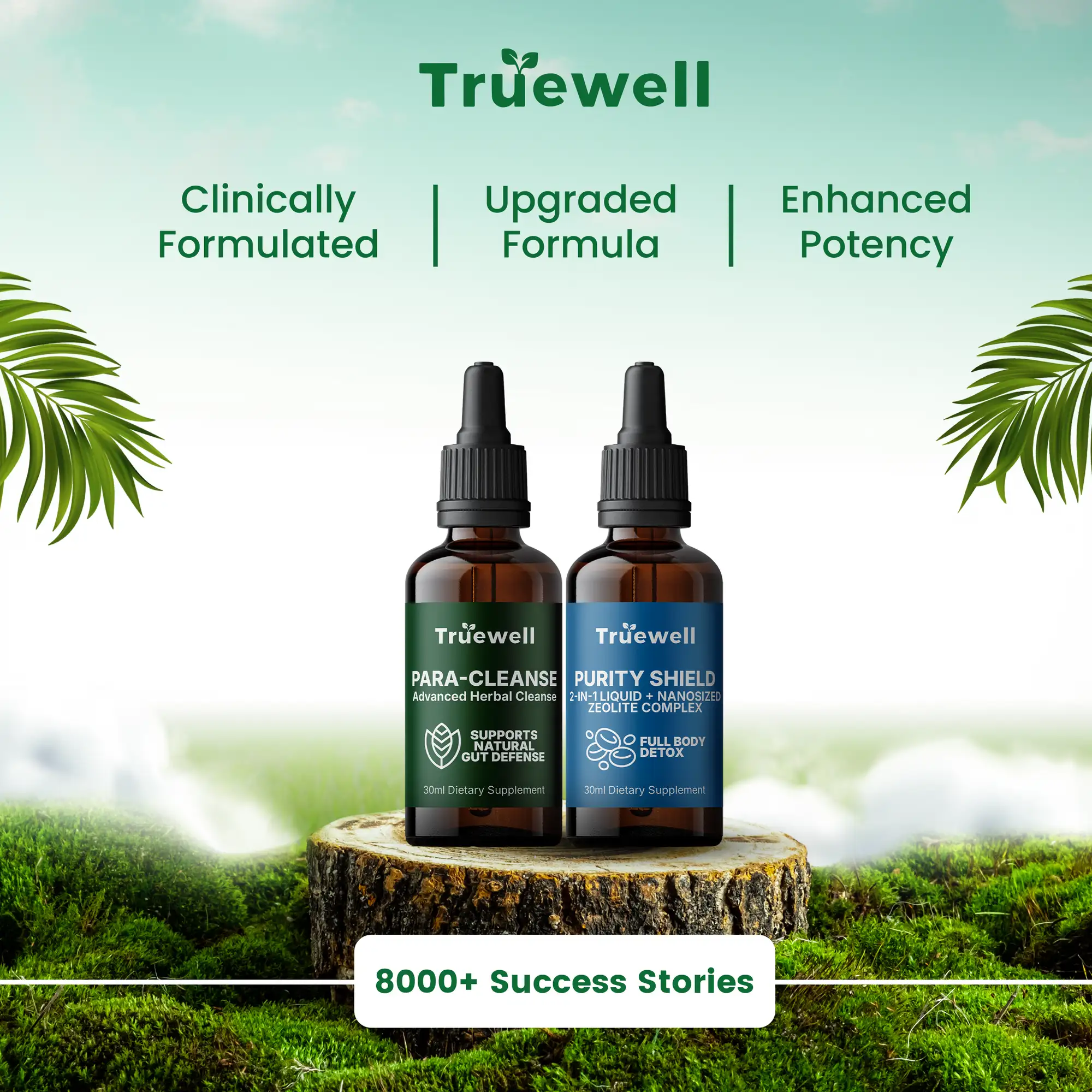
Social media graphic design for supplement brands is the work of designing the scroll-stopping, on-brand and compliant visual content a supplement or wellness company posts and runs as ads — Instagram and TikTok posts, reel covers, carousels, Stories and paid creative — built to make a health product look credible and desirable in a crowded feed while staying inside FTC and FDA claim rules and each platform's ad policies. For a supplement brand, social media is not decoration around the product — it is the shelf. Most customers first meet your supplement as a thumbnail scrolling past at speed, sandwiched between a friend's holiday photo and a meme, and the design has a second or two to signal quality, land one clear benefit and build enough trust that a stranger will put something in their body on the strength of it. Get the design right and the feed does the selling; get it wrong — generic stock bottles, hypey claims, a wall of text — and even a brilliant formula looks like a dropshipped knock-off.
If you run a supplement, nutrition or wellness brand and your social content is inconsistent, off-brand or quietly non-compliant, it is costing you sales and risking your ad accounts every day. We design social media creative and brand identities for health, wellness and D2C businesses as a Top Rated Plus studio on Upwork — 8+ years, 3,000+ projects across 30+ countries and a 100% Job Success score — so the guidance below is what we actually tell supplement clients, not theory. It narrows our broader social media design service down to the supplement niche, and pairs naturally with supplement packaging design so the pack and the feed tell one story.
What makes social media design for supplement brands different?
Supplement social design carries a heavier load than most niches, because the buyer is making a safety-and-efficacy judgement from a picture. That raises the bar in ways a clothing or café brand never has to worry about:
- It has to earn trust, not just attention. A customer buying a supplement is trusting an unseen formula with their health. Clean typography, real ingredient callouts and restraint read as credible; neon claims and shouty urgency read as risky.
- It is heavily regulated. Supplements cannot be presented as treating or curing disease, and structure-function claims carry a required FDA disclaimer. The design has to accommodate compliant copy legibly, not hide it.
- Before/after and health claims are restricted on the platforms themselves. Networks like Meta and TikTok limit certain health claims, personal-attribute targeting and before/after imagery in ads — so creative that ignores this gets rejected or throttled.
- Education sells more than hype. Supplements are considered purchases. Carousels and reels that explain a benefit, an ingredient or a routine convert better than a bare product shot with a discount slapped on.
- It lives as a system, not a post. A supplement brand posts constantly across feed, Stories, reels and ads, so the design has to be a repeatable template kit — not a one-off graphic re-invented every week.
Social media graphic design for supplement brands is the design of a supplement company's feed, Stories, reel covers and paid-ad creative so each piece looks credible and on-brand, communicates one benefit instantly, stays compliant with FTC/FDA and platform rules, and fits a consistent, repeatable template system.
What types of social media graphics should a supplement brand post?
A supplement feed that only posts product shots stalls fast. The brands that grow rotate a mix of formats, each doing a different job in the buyer journey. The table shows the core post types, what each one is for and how to design it.
| Post type | Job it does | Design approach |
|---|---|---|
| Product hero | Make the product look premium and desirable | Clean studio or lifestyle shot, one benefit line, generous space, on-brand colour |
| Educational carousel | Build trust and authority on an ingredient or benefit | Readable text hierarchy, one idea per slide, consistent template, a clear last-slide CTA |
| Ingredient / benefit explainer | Justify the price and the claim credibly | Simple diagrams or icons, sourced facts, compliant language, calm palette |
| UGC / social proof | Reassure with real people and reviews | Native-looking, lightly branded captions, honest testimonials with required disclosures |
| Reel / short-video cover | Win the scroll and the algorithm | Bold hook text, high contrast, a face or motion in frame, legible at thumbnail size |
The ratio matters as much as the formats: lean educational and social-proof content most of the time, and let overtly promotional posts be the minority. A feed that only ever sells reads as desperate; a feed that teaches, reassures and occasionally sells reads as a brand worth buying from. If you want a structured way to plan this mix, build it into a social media content calendar rather than posting reactively.
How do you design supplement social posts that stay FTC- and FDA-compliant?
Compliance is a design problem as much as a copy problem, because the rules dictate what can go on the graphic and how. The specifics differ by market and change over time, so always confirm current requirements with a regulatory specialist and read each platform's live ad policy — but these principles hold almost everywhere:
- Never present the product as treating, curing or preventing disease. Supplements are not medicines. Design around benefits and support ("supports energy", "supports gut health") rather than medical outcomes, and keep that language out of your big headline text, not just the fine print.
- Give the required disclaimer real estate. Structure-function claims typically need the FDA disclaimer — "This statement has not been evaluated by the Food and Drug Administration. This product is not intended to diagnose, treat, cure, or prevent any disease." Design it to be genuinely legible, not 6px grey on white.
- Handle testimonials honestly. Under FTC guidance, endorsements must reflect results people can realistically expect, and any material connection (gifted product, paid partnership) must be disclosed clearly on the creative itself — a readable label, not a buried hashtag.
- Be careful with before/after and body imagery. Many ad platforms restrict before/after visuals and claims about personal health. If a transformation is central to your pitch, design a compliant alternative — routine, ingredient story, or lifestyle framing — so the ad actually runs.
- Keep claims substantiated. Only put a benefit, statistic or "clinically studied" badge on a graphic if you can back it up. Unsupported numbers are both an FTC risk and a trust-killer when a savvy buyer checks.
Designed in from the start, compliance barely shows — the best supplement creative is both squeaky-clean and desirable. Bolted on at the end, it turns a beautiful ad into a rejected one, which is why the design and the compliant copy should be planned together.
What does a scroll-stopping supplement feed look like in 2026?
The supplement brands winning attention in 2026 share a visual discipline. The look is less "glossy pharma" and more credible, human and consistent. The traits that separate a feed that converts from one that gets scrolled past:
- One palette, used everywhere. A tight, recognisable colour system — often calm, natural tones with a single confident accent — so your posts are identifiable before anyone reads the handle.
- A repeatable template, not random graphics. Consistent type, grid and layout across carousels and quotes makes a small brand look established and makes content fast to produce.
- A real product hero. Clean, well-lit shots of the actual pack (not generic stock bottles) build far more trust than a stock image every competitor also uses.
- Benefit-first, text second. One clear benefit or hook per post, in type that is readable at thumbnail size, beats a paragraph nobody stops to read.
- Native, lightly-branded UGC and motion. Reels and creator-style content that look at home in the feed — lightly branded, not over-produced — out-perform polished billboard-style ads for discovery.
None of this works if the feed looks like a different brand every week. Consistency is the cheapest growth lever you have, and it is exactly what a defined visual system — ideally part of a social media branding kit — is for.
How do you build a repeatable supplement content system?
The brands that keep a feed looking sharp without burning out are not more creative — they are more systematic. Instead of designing each post from scratch, they work from a kit. Build yours in this order:
- Lock the brand basics. Colours, fonts, logo lockups and a photography style, so every asset starts from the same foundation and looks like one brand.
- Design a template set. A handful of master layouts — carousel, quote/stat, product hero, reel cover, promo — that a team member can refill with new content in minutes.
- Define content pillars. Three to five recurring themes (education, ingredient spotlights, social proof, routine, offers) so you never stare at a blank calendar.
- Batch and schedule. Produce a week or month of content in one session against the calendar, keeping the mix weighted to education and trust over hard selling.
- Measure and iterate. Watch saves, shares, reach and click-through — not just likes — and double down on the formats that actually move people toward buying.
If building and running this in-house is more than you have time for, a done-for-you option is usually more cost-effective than a constantly-rehired freelancer: our guide to social media marketing packages for small businesses breaks down what a managed service should include and how to compare them.
Social media design mistakes supplement brands make
A few recurring mistakes separate a supplement feed that builds a brand from one that quietly wastes budget. Most are easy to fix once you know to look:
- Over-claiming. Disease claims and miracle language get ads rejected, invite regulatory trouble and erode trust with the exact informed buyer you want.
- Generic stock everything. Stock bottles and clichéd wellness imagery make a real formula look like a dropshipped copy. Show your actual product.
- An inconsistent feed. Different fonts, colours and layouts every week make a brand look improvised, so customers never recognise or remember you.
- Too much text on one graphic. A dense slab of copy loses the scroll. One idea per post, with the detail in the caption, performs far better.
- All selling, no value. A feed that only pushes discounts trains people to ignore you. Educate and reassure most of the time; sell some of the time.
- Ignoring the thumbnail. If your reel cover or post is unreadable small, it never earns the tap. Design for the feed size first.
How to brief a designer for your supplement social media
The quality of the content depends as much on the brief as on the designer. Before you start, get clear on a few things so the designer can reach a strong, compliant result in fewer rounds:
- Your brand and positioning. Clinical and science-led, natural and clean, or bold and challenger — this decides the whole visual direction and tone.
- Your products and real assets. Share the actual pack shots, logo files and any photography, so the designer builds around your product, not stock.
- Your claims and compliance guardrails. The exact benefits you can substantiate, the markets you sell in and the disclaimers required, so compliance is designed in.
- The formats and cadence you need. Feed posts, carousels, Stories, reel covers, paid ads — and how many per week — so the template kit fits your real output.
- Three brands you admire and why. Pointing at feeds you rate, and saying what you like (the palette, the restraint, the education), gives the designer a precise target.
Your social feed never travels alone: the colours, type and product story on Instagram should match your supplement packaging, your website and your ads, so a customer who sees a reel, then your Amazon listing, then your site recognises one consistent, credible brand. If you are building that brand from scratch, it is cheaper and far more consistent to design it all together inside a complete brand identity package for small businesses. And if you would rather have social media and marketing design done properly and compliantly from the start, that is exactly the work we do — 3,000+ projects across 30+ countries, with public Upwork reviews to back it up.
Frequently asked questions
What should a supplement brand post on social media?
Rotate a mix rather than posting only product shots. The core formats are product-hero posts that make the pack look premium, educational carousels about an ingredient or benefit, ingredient and benefit explainers that justify the price, user-generated and review content for social proof, and short reels with a strong cover to win the scroll. Weight the mix toward education and social proof, and let overtly promotional posts be the minority — a feed that teaches and reassures most of the time, and sells some of the time, builds far more trust (and sales) than one that only pushes discounts. Keep every post to one clear benefit and a readable thumbnail.
Can you make health claims in supplement social media ads?
Only carefully, and never disease claims. Supplements cannot be presented as diagnosing, treating, curing or preventing any disease — that is the line between a supplement and a drug. You can make structure-function claims (for example "supports energy" or "supports gut health") but they typically require the FDA disclaimer that the statement has not been evaluated by the FDA and the product is not intended to diagnose, treat, cure or prevent any disease, and any claim must be truthful and substantiated under FTC rules. On top of that, platforms like Meta and TikTok restrict certain health claims, before/after imagery and personal-attribute targeting in their ad policies. Always confirm current requirements with a regulatory specialist and read each platform's live policy before running creative.
How often should a supplement brand post on Instagram?
There is no single magic number, and consistency matters more than raw frequency. Many growing supplement brands post several feed posts a week plus more frequent Stories and a steady cadence of reels, but a sustainable schedule you actually keep beats an ambitious one you abandon after a fortnight. The practical answer is to decide a cadence you can maintain, build a template kit and content calendar so each post is fast to produce, and batch your content in advance. Then watch saves, shares and reach rather than just likes, and adjust — it is better to post three strong, on-brand, compliant pieces a week than seven rushed ones that dilute the brand.
Should supplement brands use UGC or polished graphics?
Both, for different jobs. Native-looking user-generated content and creator-style reels tend to out-perform highly polished, billboard-style ads for discovery and trust, because they feel at home in the feed and act as social proof — just make sure any material connection is disclosed and testimonials are honest under FTC guidance. Polished, on-brand graphics still matter for product heroes, educational carousels and anything that has to look premium and credible. The strongest supplement feeds combine the two: a consistent, well-designed template system as the backbone, with authentic UGC and motion layered in. The mistake is relying only on over-produced ads, or only on raw UGC with no brand consistency.
Want this done for you?
FRPROTECH is a Top Rated Plus Upwork agency with 3,000+ projects delivered across 30+ countries. Tell us your goals and we'll handle the rest.
Written by the FRPROTECH design team. 8+ years building brands and websites for clients in 30+ countries, with a 100% Job Success Score on Upwork.