Supplement Packaging Design Service: What's Included, What It Costs, and How to Choose
A supplement packaging design service designs the labels, bottles, pouches and boxes for a dietary supplement and turns your formula into a compliant, shelf-ready, on-brand product people trust enough to buy. A good one does three jobs at once: it lays out the regulated information correctly (a Supplement Facts panel, statement of identity, net quantity, ingredient and allergen lists, your business details and the DSHEA disclaimer), it builds the brand — a look that stands out on a retail shelf or an Amazon listing and matches the rest of your identity — and it delivers production-ready files (accurate dielines a printer or manufacturer can run without guesswork). Expect a single label from a specialist freelancer or small studio to cost roughly $300–$1,500, and a full product line with a box and several SKUs to run about $1,500–$6,000 in 2026, with agencies charging more. The right service is the one that gets all three jobs right — because a beautiful label that fails compliance or arrives with the wrong dieline costs you a whole print run.
We design supplement and nutraceutical packaging as a Top Rated Plus studio on Upwork — 8+ years, 3,000+ projects across 30+ countries and a 100% Job Success score — so the guidance below is what we actually deliver for supplement brands, not a generic checklist. This covers what a supplement packaging design service includes, what makes it different from ordinary packaging, what it costs in 2026, how to choose a designer who won't waste a print run, and how the process runs. Pricing shifts with scope, region and print method, and compliance rules change, so treat the figures as typical ranges and always confirm current requirements for your market before you print.
What is a supplement packaging design service?
A supplement packaging design service is a specialist design service that creates the physical and on-screen packaging for dietary supplements — capsules, gummies, powders, tinctures and liquids — from the label artwork to the outer carton. Unlike general graphic design, it works to a fixed set of legal and print constraints: the layout has to carry mandatory information in the right place and size, and it has to be built as a dieline (the exact cut-and-fold template) that matches your chosen bottle, pouch or box. The output isn't a pretty picture; it's a manufacturable, compliant artwork file a supplement contract manufacturer or printer can produce as-is.
That combination is why supplement brands hire a specialist rather than a generalist. Getting the brand right is table stakes; the harder part is landing the regulated content and the production files at the same time, on the same artwork, without one compromising the other. A service that only nails the aesthetics leaves you to sort out compliance and print-readiness yourself — which is where most first-time supplement launches lose weeks and money.
What's included in supplement packaging design?
A complete supplement packaging design service delivers the artwork, the brand and the production files as one package. What you should expect to receive:
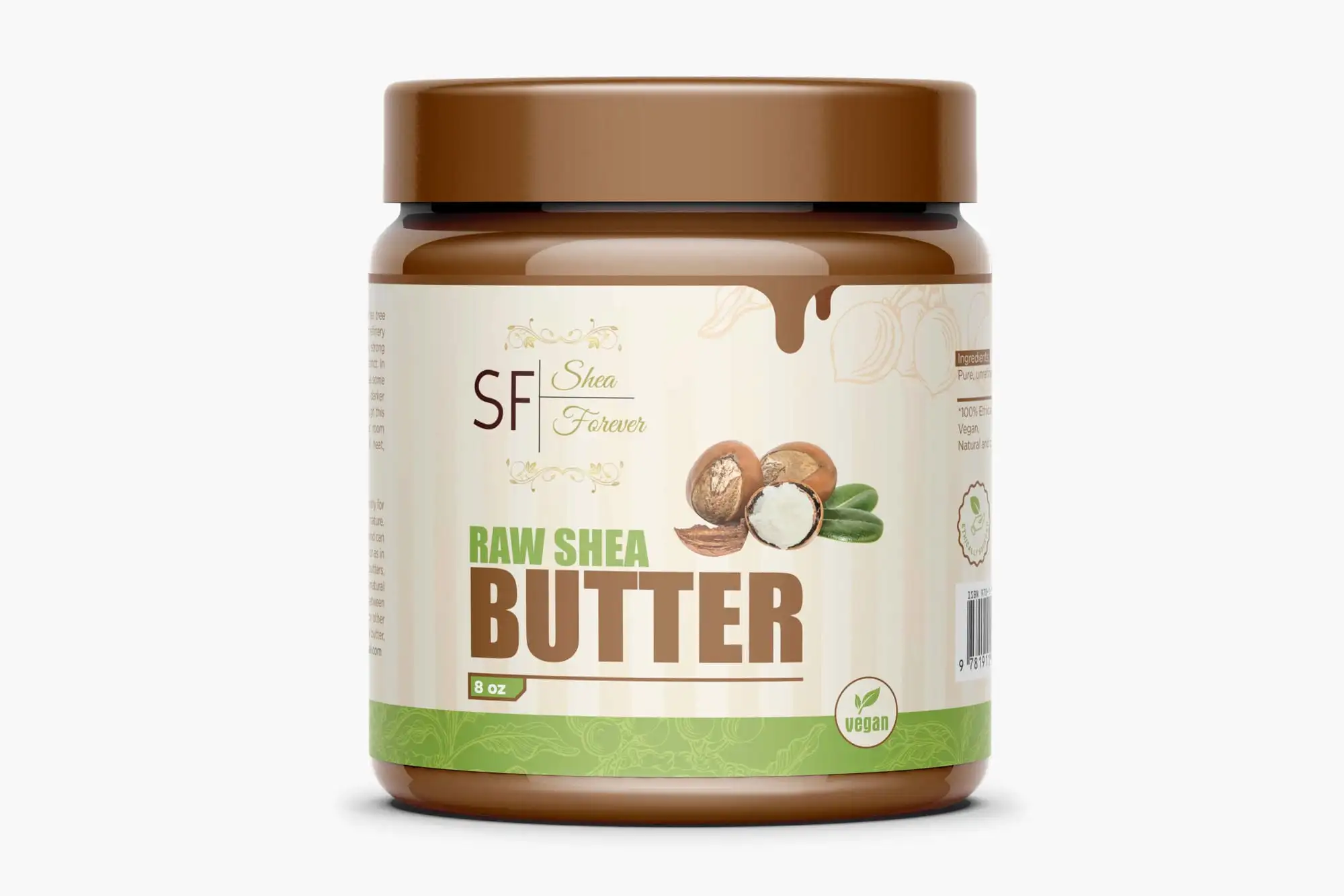
- Label or wrap design — the primary label for the bottle, jar, pouch or sachet, designed to your dieline so it fits the container exactly.
- A compliant information layout — the Supplement Facts panel, statement of identity (what the product is), net quantity, full ingredient and allergen lists, your name and place of business, and the required disclaimer, all laid out legibly and in the correct positions.
- Outer carton or box design — if your product ships in a box, the folding carton artwork built on a matching dieline.
- Brand system on-pack — your logo, colour palette and typography applied consistently, drawn from your brand identity so the product looks like it belongs to your range.
- Print-ready production files — correctly set up artwork (CMYK or spot colours, bleed, safe margins, the dieline on its own layer) that a printer or contract manufacturer can run without reworking.
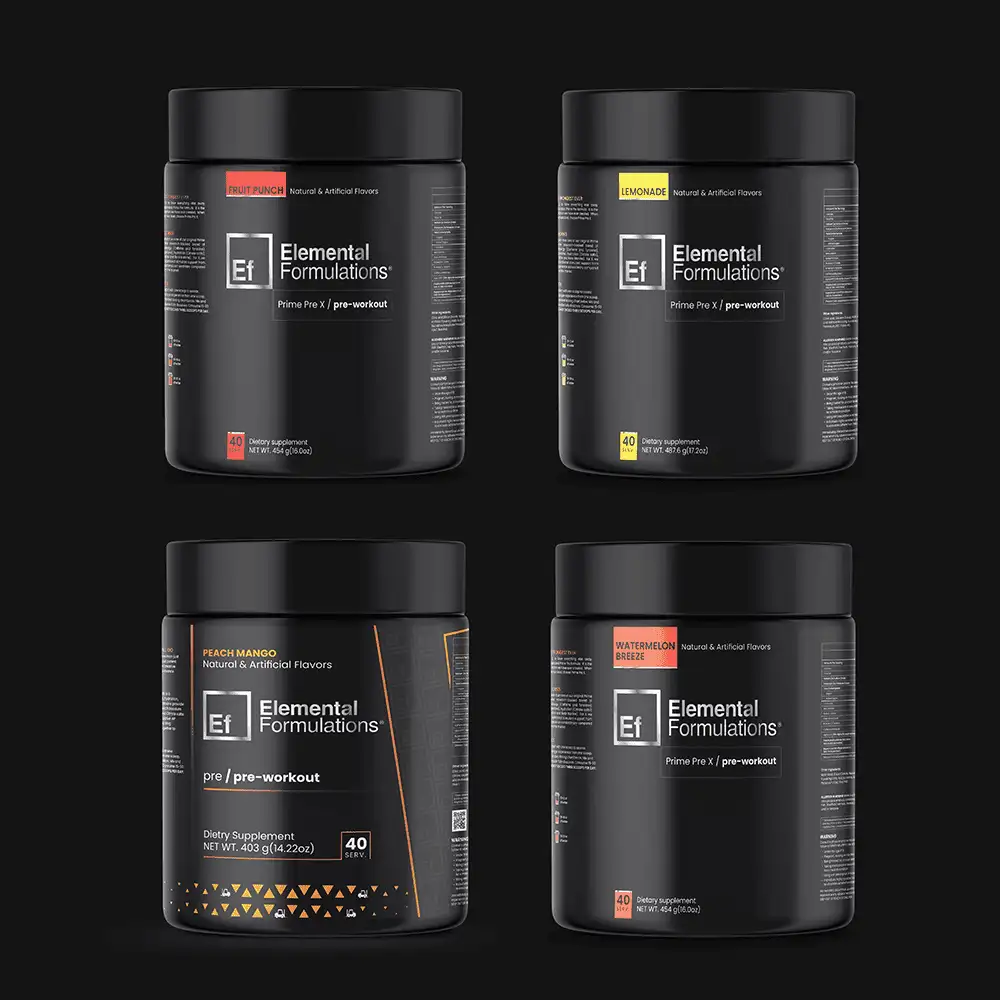
- Digital mockups — realistic 3D renders of the finished pack for your website, Amazon listing, ads and investor decks before a single unit is printed.
The last point matters more than founders expect: strong mockups let you test the design on your store page and in ad creative before committing to a print run, so you launch with confidence rather than hoping it works on the shelf.
What makes supplement packaging design different from ordinary packaging?
Supplement packaging sits under real regulation, and that changes how it has to be designed. In the United States, dietary supplement labelling is governed by the Federal Food, Drug, and Cosmetic Act as amended by DSHEA, with the detailed rules in 21 CFR Part 101. In practice, a compliant label has to carry a defined set of elements, and a good designer builds them in from the first draft rather than bolting them on at the end:
- A Supplement Facts panel — the standardised table of serving size, servings per container and the amount of each dietary ingredient, formatted to the FDA's specification.
- A statement of identity and net quantity — plainly what the product is and how much is in the container.
- Full ingredient and allergen disclosure — every ingredient listed, with major allergens declared.
- Manufacturer or distributor details — the name and place of business of the responsible company.
- The DSHEA disclaimer where you make a structure/function claim — "This statement has not been evaluated by the Food and Drug Administration. This product is not intended to diagnose, treat, cure, or prevent any disease."
Rules also evolve — the FDA issued guidance in late 2025 on how the disclaimer must appear across a label's panels, for example — so a supplement packaging designer works to the current specification and, crucially, stays in their lane: they lay the information out correctly, but they are not your regulatory or legal advisor. Verify the final content and claims with your contract manufacturer, a regulatory consultant, or the current FDA rules (and the equivalent authority in each market you sell in) before you print. A designer who ignores compliance entirely, or who claims to be your compliance sign-off, is a red flag either way.
The single most expensive mistake in supplement packaging isn't an ugly label — it's a wrong dieline or a missed compliance element that only surfaces after 10,000 units are printed. Confirm your container and dieline with your manufacturer before design starts, and have the final artwork checked against current regulations before it goes to print. Design that's beautiful but unprintable, or printable but non-compliant, is worse than no design at all, because you pay for it twice.
How much does supplement packaging design cost in 2026?
For most supplement brands, a single label from a specialist freelancer or small studio costs roughly $300–$1,500 in 2026, and a full product line — a bottle label, an outer carton and several SKUs designed as a system — runs about $1,500–$6,000. Agencies price the same work higher, and complex ranges with many variants, foil or specialty finishes climb from there. The table maps realistic bands to what you actually get; treat every figure as a typical range and confirm current rates before you commit.
| Option | Typical cost | What you get | Best for |
|---|---|---|---|
| Marketplace / template label | $50–$300 | A templated label filled in with your details, little brand or dieline work | Testing a single product on the tightest budget |
| Specialist freelancer / small studio — single label | $300–$1,500 | Custom label to your dieline, compliant layout, print-ready files, mockups | Launching one hero SKU properly |
| Specialist freelancer / small studio — full line | $1,500–$6,000 | Bottle plus carton, a system across several SKUs, brand applied consistently | A brand launching or scaling a range |
| Design agency | $6,000–$25,000+ | Strategy, structural exploration, extended range and retail-ready collateral | Funded brands going into major retail |
What moves the price inside a band is mostly the scope, not the number of files: how many SKUs and container types you have, whether you need the outer carton as well as the label, how much brand work exists already versus needs creating, print complexity (foils, spot colours, unusual substrates), and revision rounds. Supplying a locked formula, final copy and a confirmed dieline up front is the biggest lever you have on both cost and timeline — the same discipline covered in our guide to how much packaging design costs across all product types.
How to choose a supplement packaging designer
Choose for proof and process, not just portfolio gloss. A designer who's shipped supplements before will pre-empt the compliance and print problems a generalist walks straight into. Work through this checklist:
- Real supplement work in the portfolio. Ask specifically for dietary-supplement labels and cartons they've designed that actually went to print, not mockups alone.
- Comfort with Supplement Facts panels and dielines. They should talk fluently about compliant layouts and building artwork to a manufacturer's dieline — if this is new to them, expect delays.
- Print-ready file delivery confirmed in writing. Get it stated that you'll receive correctly set-up, print-ready artwork (bleed, colour mode, dieline layer) and that you own the source files.
- A clear position on compliance. The right answer is "I lay out the required elements correctly and you verify the content with your manufacturer or regulatory advisor" — not "don't worry, I handle all the legal side."
- Verifiable reviews and communication. Look for verified reviews describing on-time delivery and clear communication; a launch date usually rides on this.
This is the same buying discipline we recommend across creative services — judging a logo design service for startups or any specialist studio on demonstrated results and a clear process rather than the lowest quote. In packaging especially, the cheapest designer who doesn't understand dielines or compliance is the most expensive choice once you factor in a reprinted run.
How does the supplement packaging design process work?
A good service runs a clear sequence so nothing surprises you at the printer:
- Brief and specs. You share the product, formula, final label copy, brand assets, and — critically — the confirmed container and dieline from your manufacturer.
- Concept design. The designer develops the label direction: how the brand, product name, key benefits and Supplement Facts panel work together on-pack and on-shelf.
- Compliance and structure check. The mandatory elements are placed and the artwork is fitted to the exact dieline, so what you approve is what can actually be printed.
- Revisions. You refine the chosen direction across a set number of rounds until the label and carton are right.
- Print-ready handoff and mockups. You receive the production files for your manufacturer plus digital mockups for your store, listings and ads.
The best results come from getting the product's positioning and shelf presence right, not just decorating a template — the thinking behind our guide to packaging design that sells. On a crowded shelf or a scroll of Amazon thumbnails, clarity and a strong colour block usually beat busy detail; a specialist knows what survives at thumbnail size.
When should you hire a supplement packaging design service?
Hire one as soon as a product is real enough to sell — before you commit to a manufacturer's minimum order, because that's the point where a wrong dieline or a compliance gap turns into a five-figure reprint. Use a template only to test an idea pre-revenue; the moment you're spending on inventory, ads or retail placement, professional packaging usually pays for itself in fewer reprints and a higher perceived value that lets you hold your price. If you're launching a whole range, having the packaging designed as a system from the start keeps every SKU consistent and saves per-product cost later.
If you'd like your supplement packaging designed as a compliant, print-ready system the first time — label, carton and mockups, built to your manufacturer's dieline — our graphic design and packaging service covers exactly that, and you can check verified results on our Top Rated Plus profile on Upwork. Get the compliance, the brand and the production files right together, and your packaging stops being a launch risk and starts doing the selling for you.
Frequently asked questions
How much does supplement packaging design cost in 2026?
For most brands, a single supplement label from a specialist freelancer or small studio costs roughly $300–$1,500 in 2026, and a full product line — a bottle label, an outer carton and several SKUs designed as a system — runs about $1,500–$6,000. Marketplace templates can be $50–$300 but include little brand or dieline work, while agencies charge $6,000–$25,000+ for strategy and retail-ready ranges. The biggest cost drivers are the number of SKUs and container types, whether you need the carton as well as the label, print complexity such as foils or spot colours, and revision rounds. Treat these as typical ranges and confirm current rates before you commit.
What has to be on a supplement label to be compliant?
In the United States, dietary supplement labels are governed by the Federal Food, Drug, and Cosmetic Act as amended by DSHEA (21 CFR Part 101) and must carry a defined set of elements: a Supplement Facts panel, a statement of identity (what the product is), the net quantity, a full ingredient and allergen list, the name and place of business of the manufacturer or distributor, and — where you make a structure/function claim — the DSHEA disclaimer ("This statement has not been evaluated by the Food and Drug Administration. This product is not intended to diagnose, treat, cure, or prevent any disease."). A packaging designer lays these out correctly, but you should verify the final content and claims with your manufacturer or a regulatory advisor and against current FDA rules, since regulations change and other markets have their own requirements.
What's the difference between a supplement packaging designer and a general graphic designer?
A supplement packaging designer works to fixed legal and print constraints that a general graphic designer usually doesn't. They design to a manufacturer's exact dieline so the artwork fits the real bottle, pouch or carton; they lay out mandatory compliance elements like the Supplement Facts panel in the correct positions and sizes; and they deliver print-ready production files (correct colour mode, bleed, dieline layer) a contract manufacturer can run as-is. A generalist may produce a good-looking label but leave you to solve compliance and print-readiness yourself — which is where first-time launches lose the most time and money.
Do I need packaging design before or after choosing a manufacturer?
Choose your contract manufacturer and confirm the exact container and dieline first, then design to it. The dieline — the precise cut-and-fold template for your specific bottle, jar, pouch or box — comes from the manufacturer, and the artwork has to be built on it. Designing a label before you know the container almost always means redoing the work when the real dieline arrives, and a mismatched dieline is one of the most expensive mistakes in packaging because it usually surfaces only after a print run. Lock the manufacturer, formula and dieline, then start design.
Want this done for you?
FRPROTECH is a Top Rated Plus Upwork agency with 3,000+ projects delivered across 30+ countries. Tell us your goals and we'll handle the rest.
Written by the FRPROTECH design team. 8+ years building brands and websites for clients in 30+ countries, with a 100% Job Success Score on Upwork.