How Much Does Packaging Design Cost? (2026 Price Guide)
Packaging design costs roughly $300–$1,500 per SKU with a professional freelance designer in 2026, while gig-site marketplaces (Fiverr, entry-level Upwork gigs) run about $50–$500 per design and specialist studios or agencies charge $10,000+ for a full, strategy-led product line. For most small and growing brands the sensible range is $300–$1,500 per product, and where you land inside it depends far less on how the label looks than on the production work behind it: print-ready dielines, the number of SKUs, revision rounds, and whether you get 3D mockups and files a printer can actually use.
The per-design price is the wrong thing to fixate on. A $60 gig and a $1,200 freelancer both hand you artwork — but only one hands you a dieline that fits your real box, a file your printer won't bounce, and a design that survives the jump from screen to shelf without a costly reprint. We've designed 3,000+ projects across 30+ countries as a Top Rated Plus studio on Upwork — 8+ years, 100% Job Success — and packaging is where cheap work bites hardest, because the mistakes show up at the print run, not in the mockup. Below: what each price tier actually buys, why the range is so wide, and how to spend the least while still getting packaging that sells and prints cleanly. Prices move constantly, so treat every figure here as a range to verify before you budget.
How much does packaging design cost in 2026?
For professional, custom packaging most brands spend $300–$1,500 per SKU with a freelancer, with the low end covering a single label and the high end covering a structured box with a full dieline and mockups. The wider market runs from a $50 gig to a $50,000 agency engagement because "packaging design" spans everything from a template label swap to a strategist-led range across dozens of products. Here's how the tiers compare — every figure is a range that shifts with the number of SKUs, structural complexity, revisions and turnaround, so verify current rates before you commit:
| Option | Typical cost | What you get | Best for |
|---|---|---|---|
| Gig marketplace (Fiverr / entry Upwork) | $50–$500 per design | Template or single-concept label, fast turnaround, limited print prep | Testing an idea or a one-off simple label |
| Freelance designer (single SKU) | $300–$1,500 per SKU | Custom concept, revisions, print-ready dieline, colour and mockup files | Most small brands launching or refreshing a product |
| Experienced freelancer / small studio | $800–$8,000 per project | Discovery, structural dieline work, 3D mockups, multiple SKUs, production support | Brands that need packaging to work hard on shelf |
| Design agency / full product line | $10,000–$50,000+ | Strategy, research, a complete range system, team of specialists | Funded brands rolling out many SKUs at once |
The takeaway: a small brand rarely needs the agency tier and almost always regrets the sub-$100 gig. The sweet spot for packaging you can build a product on is a capable freelancer or small studio in the $500–$1,500-per-SKU band — the tier where you get a real dieline and print-ready files, not just a pretty picture. Senior packaging specialists who work by the hour typically charge $80–$150/hour versus $25–$45/hour for generalists, and that gap is almost entirely production expertise.
What do you actually get at each price tier?
The gap between a $60 label and a $1,200 label isn't how the front panel looks — a skilled designer can make either look clean in a mockup. It's everything around the artwork that decides whether the job survives contact with a printer:
Under $100 (gig marketplaces, template labels)
- A template or single-concept label, often adapted from stock layouts.
- Little or no structural work — the designer may not build a dieline to your box's real measurements.
- Flattened or raster files in many cases, missing the vector and bleed setup a printer needs.
- Few or no revisions, and limited grasp of print compliance (barcodes, legal text, safe zones).
- High reprint risk — small oversights on bleed, resolution or die lines become costly at the print run.
$300–$1,500 per SKU (professional freelancer — where most brands should land)
- A short discovery step that captures your positioning, audience and shelf competitors.
- One to three original concepts, then structured revision rounds.
- A print-ready dieline built to your actual pack dimensions, with bleed, safe zones and crop marks.
- Vector source files plus web and print exports, so the design scales cleanly and prints correctly.
- Realistic 3D mockups so you can see the pack before spending on a print run.
- Basic production support — talking to your printer, checking specs, and preventing reprints.
$10,000+ (agency or full product line)
- Brand and category strategy: positioning, shelf research and messaging before any design.
- A complete range system that stays coherent across many SKUs and pack formats.
- Structural and sustainability engineering for materials, unboxing and compliance.
- A team of strategists, structural and graphic designers rather than a single freelancer.
Rule of thumb for a growing brand: budget for the tier where you get a print-ready dieline, vector files and 3D mockups — that's usually $500–$1,500 per SKU. Below it you're buying a picture; above it you're buying strategy you may not need until you're scaling a range. If money is tight, spend less on extra concepts and more on getting production-correct files and print support.
Why is there such a huge range in packaging design prices?
Two packs that look equally tidy in a mockup can be priced ten times apart because the cost sits in the production work and the risk it removes, not the front panel. The biggest drivers:
- Number of SKUs. Pricing is usually per SKU. One label is cheap; a range of twelve flavours or sizes multiplies the work — though a good designer builds a system so later SKUs cost less than the first.
- Structural and dieline complexity. A flat label is simple. A custom box, pouch, or tube with a bespoke dieline and unboxing sequence is engineering, and it costs accordingly.
- Print-readiness and compliance. Bleed, safe zones, spot colours, barcodes, legal and nutritional text, and printer-specific specs all add hours — and skipping them is what causes reprints.
- Revisions and mockups. More included revision rounds and realistic 3D mockups raise the price but cut the risk of approving something that fails on shelf.
- Experience with production. A designer who has shipped real packs prices higher because they prevent the expensive mistakes — the fee is cheaper than one bad print run.
- Strategy depth. Category research, positioning and a range system add cost, and pay off most when packaging has to compete for attention across a crowded shelf.
Freelancer, agency or gig site: which is right for your brand?
The honest answer depends on how many products you're launching and how much the packaging has to do commercially. A quick guide:
- Gig marketplace ($50–$500): fine for a one-off simple label or to validate a direction before you commit. Expect to redo it once the product is real, and check the files are print-ready before you trust them.
- Freelance designer / small studio ($300–$1,500 per SKU): the right choice for most small and growing brands. You get custom, production-correct packaging without agency overhead — the same tier that makes commercial searches like "packaging design service" winnable for a focused studio.
- Agency ($10,000+): worth it when you're funded and rolling out a full range at once, or when packaging is your primary marketing channel and needs deep category strategy.
Packaging rarely lives alone, either. It works best when it extends the same identity as your logo, colours and type — so if you're pricing packaging, it's worth understanding how it fits with the rest of your brand. Our guides on logo design vs brand identity and what a brand identity package for small businesses includes explain how the pieces connect, and how much a logo design costs for a small business uses the same tier-by-tier logic. If your goal is packaging that earns its place on the shelf rather than just existing, our guide to packaging design that sells covers the design moves that move product.
How do you keep packaging design costs down without cutting corners?
You can spend far less than the top of the range and still get production-correct packaging — the trick is to cut scope, not quality. Practical ways to lower the bill:
- Come prepared. Supply exact pack dimensions, quantities, printer contact and any existing brand assets up front. A tight brief removes billable back-and-forth.
- Start with your hero SKU. Design your best-selling product first and reuse the system for the rest — later SKUs should cost a fraction of the first.
- Buy fewer concepts, better files. One strong direction plus a proper dieline beats three rough concepts with no print prep.
- Confirm print specs before design starts. Getting bleed, colour mode and die lines right the first time is the single biggest way to avoid a reprint.
- Keep revisions batched. Collect all feedback into one round rather than drip-feeding changes, which inflates hours.
The most expensive packaging design is the one you have to reprint. A file that looks perfect on screen but has no bleed, the wrong colour mode, or a dieline that doesn't match your box can cost more in wasted print runs than the entire design fee. Paying a designer who understands production is not the pricey option — it's the cheap one.
The bottom line on packaging design cost
For most small and growing brands, budget $300–$1,500 per SKU with a professional freelancer or small studio in 2026, and prioritise print-ready dielines, 3D mockups and production support over an extra round of concepts. Gig sites ($50–$500) suit one-off simple labels; agencies ($10,000+) suit funded brands launching a full range. Wherever you land, the money is well spent only if the files actually print — that's the line between a picture and packaging.
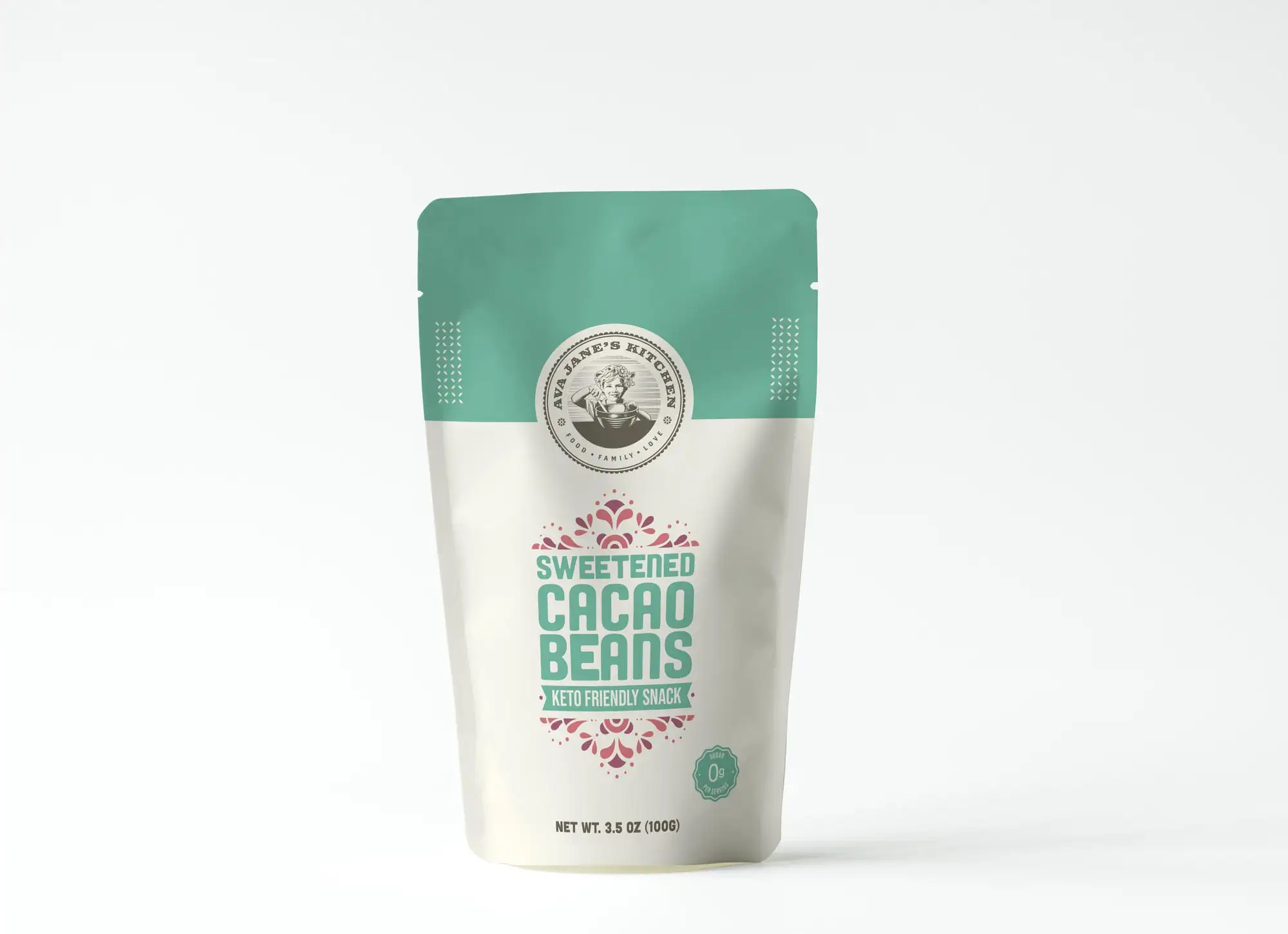
If you want packaging that's production-correct and on-brand from the first proof, that's the work we do every day. You can see real packs across food, beverage, beauty and supplements — and start a conversation — on our Upwork profile, or explore our graphic and packaging design service to scope your project.
Frequently asked questions
How much does packaging design cost in 2026?
For professional custom packaging, most brands spend $300–$1,500 per SKU with a freelance designer, with a single label at the low end and a structured box with a full dieline at the high end. Gig marketplaces like Fiverr run $50–$500 per design, and specialist studios or agencies charge $10,000–$50,000+ for a full, strategy-led product line. For most small and growing brands the sensible range is $300–$1,500 per SKU.
Why does packaging design cost more than a logo?
Because packaging is production work, not just artwork. On top of the visual design you're paying for a print-ready dieline built to your exact pack dimensions, bleed and safe zones, spot colours, barcode and legal-text placement, and often 3D mockups. A logo is one scalable mark; packaging has to fit a physical object and survive a print run, so the extra hours are in engineering and compliance, not decoration.
Is a cheap Fiverr packaging design good enough?
Only for a one-off simple label or to test a direction before you commit. Budget gigs are often template-based, may not build a dieline to your real box measurements, and frequently deliver files without the bleed, colour mode and print prep a printer needs — which is how small oversights turn into costly reprints. Once the product is real, use a designer who understands production so the files actually print correctly.
How can I lower my packaging design cost?
Cut scope, not quality. Come prepared with exact pack dimensions, quantities and your printer's specs; design your hero SKU first and reuse the system for the rest; buy one strong concept with a proper dieline rather than several rough options with no print prep; and batch all your feedback into one revision round. Getting print specs right before design starts is the single biggest way to avoid an expensive reprint.
Want this done for you?
FRPROTECH is a Top Rated Plus Upwork agency with 3,000+ projects delivered across 30+ countries. Tell us your goals and we'll handle the rest.
Written by the FRPROTECH design team. 8+ years building brands and websites for clients in 30+ countries, with a 100% Job Success Score on Upwork.