AI Brand Consistency: How to Stay On-Brand When AI Makes Your Content
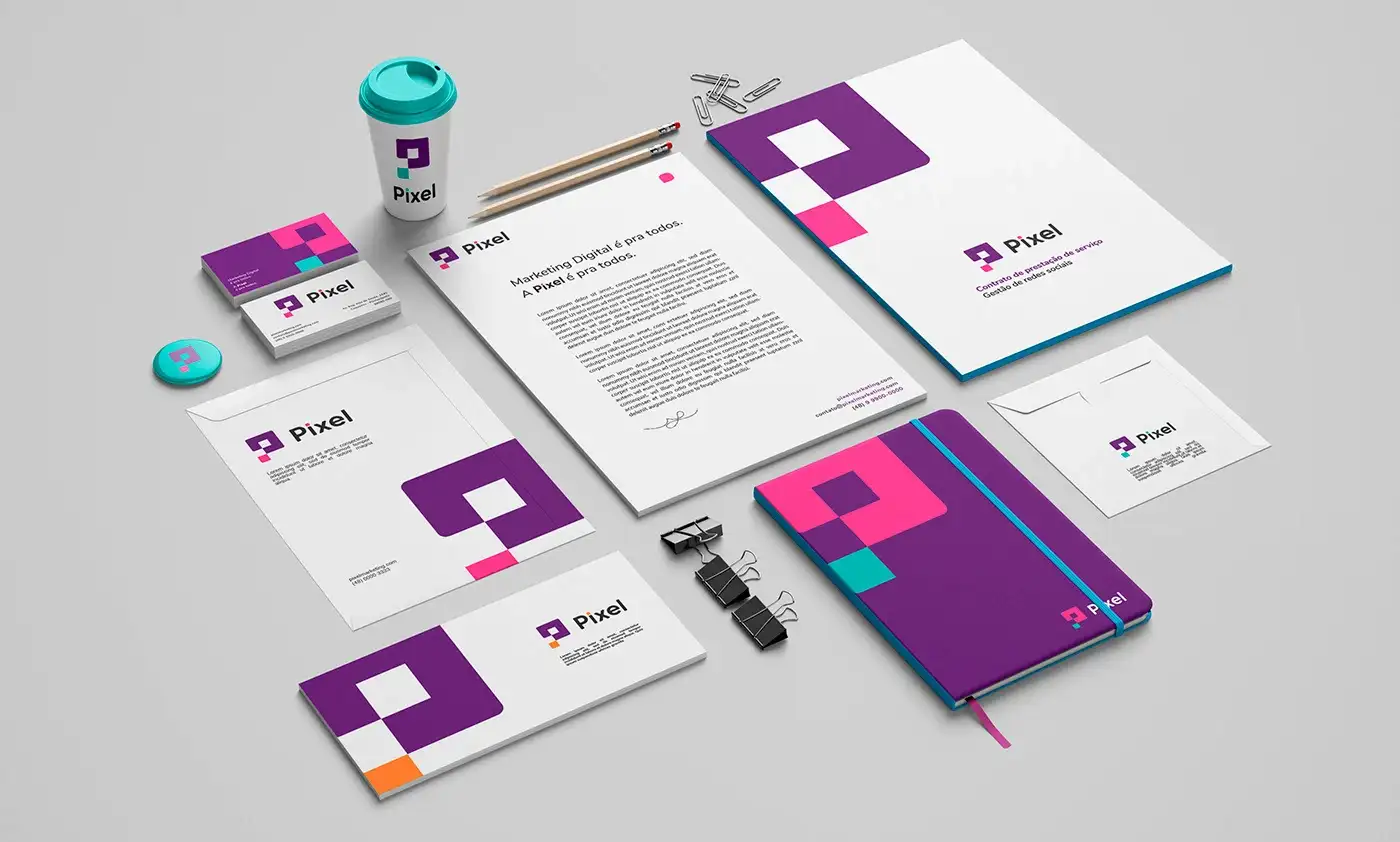
AI brand consistency is the practice of encoding your brand — its voice, visual identity and rules — in a form that generative AI tools can actually follow, so that every AI-assisted piece of content still sounds and looks unmistakably like you. The problem it solves is new and growing fast: when everyone on your team can generate copy in ChatGPT, images in Midjourney and social posts in Canva, your brand stops flowing through a few trained hands and starts leaking out of dozens of prompts. Without shared rules the machine can read, each person's output drifts a little — and a hundred small drifts add up to a brand that no longer feels like one brand.
This matters because consistency is where brand value actually lives. The widely-cited Marq (formerly Lucidpress) Brand Consistency Report has long put the revenue uplift from consistent brand presentation in the region of 10–20%, and the reason is simple: recognition compounds trust, and trust compounds sales. Generative AI is the biggest threat to that consistency in years — not because the tools are bad, but because they scale output faster than most brands have rules to govern it. As a Top Rated Plus branding agency on Upwork with 8+ years and 3,000+ projects across 30+ countries, we've spent 2026 helping clients get ahead of exactly this. Here's the practical playbook.
Why AI quietly breaks brand consistency
The old model of brand control was a bottleneck by design: a small team, or an agency, made the content and kept it on-brand. AI removes the bottleneck. That's a productivity win and a consistency risk at the same time. The failure modes are predictable:
- Everyone prompts differently. One person asks for "professional and punchy," another for "friendly and casual." Same brand, two voices — and the AI happily produces both.
- Default AI tone bleeds in. Left ungoverned, most models drift toward the same generic, slightly breathless marketing voice. Your brand starts to sound like everyone else's.
- Visuals wander. AI image tools invent their own colours, lighting and style unless you constrain them. Off-palette, off-style images pile up fast.
- Volume hides the drift. Because AI makes so much content so quickly, no human is reviewing all of it against the brand — the inconsistency ships before anyone notices.
The counter-intuitive truth of 2026: AI doesn't dilute strong brands — it exposes weak documentation. If your brand only exists in a few people's heads, AI will scatter it. If it's written down as clear, specific rules, AI becomes a force multiplier that keeps everyone on-brand. The brands that documented well are winning; the ones that relied on tribal knowledge are fragmenting.
Make your brand machine-readable
The single highest-leverage move is to rewrite your brand guidelines so an AI can act on them, not just a designer. Traditional guidelines lean on adjectives — "we're bold, human and trustworthy." A model can't do much with that. An AI-operable guide replaces vague adjectives with behavioural rules the model can follow.
| Vague (human-interpreted) | Specific (AI-operable) |
|---|---|
| "Sound friendly and professional" | Use contractions. Second person ("you"). Sentences under 25 words. No jargon or buzzwords. |
| "Be confident, not arrogant" | Make claims we can back with proof. Never use "world's best" or "revolutionary." |
| "Keep it on-brand visually" | Primary #1A1A1A, accent #FF5A3C. Never gradients. Photography, not illustration. 40px minimum logo clear space. |
| "Speak to our audience" | Audience: non-technical founders. Explain, don't assume. Define any acronym on first use. |
This is really your existing brand voice and brand strategy work, translated into constraints. The test for every rule: could a new hire — or a language model — follow it without asking a follow-up question? If not, it's not specific enough yet.
Give AI your brand as a reusable assistant
Once the rules are specific, stop pasting them into every prompt and bake them into a persistent, branded assistant instead. The major platforms all support this now: Custom GPTs in ChatGPT, Gems in Google Gemini and Projects in Claude let you create an AI that permanently remembers your brand guide, so anyone on the team gets on-brand output without knowing how to prompt.
- Feed it the voice guide. Load your AI-operable brand rules as the assistant's core instructions so they apply to every response by default.
- Show, don't just tell. Add three to five examples of your best, most on-brand content. Models learn tone from examples far better than from description — and quality beats quantity, so use only your strongest pieces.
- Include the guardrails. List your banned words, required calls to action, key messaging pillars and the audience you're writing for. Constraints are what keep the default AI voice out.
- Constrain the visuals too. For image tools, lock a reusable style: reference images, a fixed colour palette, and consistent prompts for lighting and composition. Brand kits in tools like Canva and Adobe do the same for on-palette templates.
- Make it the default door. Roll the assistant out as the way the team makes content. A shared branded GPT everyone uses beats a perfect guide nobody opens.
Keep a human in the loop
AI gets you 80% of the way to on-brand, fast. The last 20% — the judgement about whether something truly sounds like you, lands with your audience and doesn't quietly contradict your positioning — still needs a person. The workflow that works in 2026 is AI-drafts, human-directs: let the assistant produce the first pass at scale, then have someone who owns the brand edit for nuance, accuracy and taste before anything ships. This is also where you catch the subtle errors AI is prone to — invented facts, off-key claims, or copy that's technically on-voice but strategically wrong.
It's worth adding a light review step for high-visibility content specifically: homepage copy, campaign creative, anything a customer sees first. Automating the volume is the point; automating the judgement is where brands get burned.
The bottom line
Generative AI doesn't have to dilute your brand — but it will, unless you give it rules it can follow. Document your brand as specific, machine-readable constraints rather than vague adjectives; bake those rules into a reusable branded assistant so everyone produces on-brand work without thinking about it; lock your visual style so images stay on-palette; and keep a human owner in the loop for judgement and accuracy. Do that and AI becomes the best consistency tool your brand has ever had, producing more on-brand content than a small team ever could. The same discipline pays off in how AI search engines cite and recommend you, too — a clear, consistent brand is easier for both people and machines to trust.
If your brand isn't yet documented tightly enough for AI to follow — or you want a proper brand identity system built to hold up in the AI era — that's exactly what we do. See verified results on our Upwork profile, and give your team a brand the machine can't break.
Frequently asked questions
What is AI brand consistency?
AI brand consistency is the practice of encoding your brand — its voice, tone, visual identity and rules — in a form that generative AI tools can actually follow, so that content produced with tools like ChatGPT, Midjourney, Gemini or Canva still sounds and looks unmistakably like your brand. It's become important because AI has removed the old bottleneck where a small trained team made all the content. Now anyone can generate copy and images in seconds, and without shared rules the machine can read, each person's prompts pull the brand in a slightly different direction. AI brand consistency solves that by turning your brand guidelines into specific, behavioural rules — and loading them into a reusable branded AI assistant — so every AI-assisted output stays on-brand by default rather than by luck.
How do I make AI write in my brand voice?
Start by rewriting your brand voice as rules a model can act on, not adjectives it has to interpret. Replace vague guidance like "friendly and professional" with specific constraints: sentence length, whether to use contractions, banned words, point of view, and the audience you're addressing. Then build a persistent branded assistant using a Custom GPT (ChatGPT), a Gem (Gemini) or a Project (Claude): load your voice rules as its core instructions, add three to five examples of your best on-brand content so it learns your tone from real work, and include your calls to action and messaging pillars. Models learn voice from strong examples far better than from description, so use only your highest-quality content. Finally, keep a human editor in the loop for the final pass — AI gets you most of the way, but judgement about nuance and accuracy still needs a person.
Does using AI hurt brand consistency?
It can, but the tool isn't the real problem — weak documentation is. AI doesn't dilute strong, well-documented brands; it exposes brands that only exist in a few people's heads. When your voice and visual rules aren't written down clearly, AI scatters your brand across dozens of differently-worded prompts and generic default outputs. When your brand is documented as specific, machine-readable rules and loaded into a shared assistant everyone uses, AI does the opposite — it becomes a consistency multiplier, producing more on-brand content than a small team ever could. So the risk is real, but it's a documentation and governance gap, not an inherent flaw in using AI. Fix the rules first, then let AI scale them.
What tools help keep AI content on-brand?
The most useful ones are the branded-assistant features built into the major AI platforms: Custom GPTs in ChatGPT, Gems in Google Gemini and Projects in Claude all let you create an assistant that permanently remembers your brand guide, so the team gets on-brand output without needing to prompt well. For visuals, image tools that support reference images and reusable style settings help lock a consistent look, and brand-kit features in design tools like Canva and Adobe keep colours, fonts and logos on-palette across templates. The most important "tool," though, is your own AI-operable brand guide — the specific, written rules that everything else is fed. Without that source of truth, no assistant or template can keep your content consistent.
Want this done for you?
FRPROTECH is a Top Rated Plus Upwork agency with 3,000+ projects delivered across 30+ countries. Tell us your goals and we'll handle the rest.
Written by the FRPROTECH design team. 8+ years building brands and websites for clients in 30+ countries, with a 100% Job Success Score on Upwork.