Product Label Design Service: What's Included, What It Costs & How to Hire
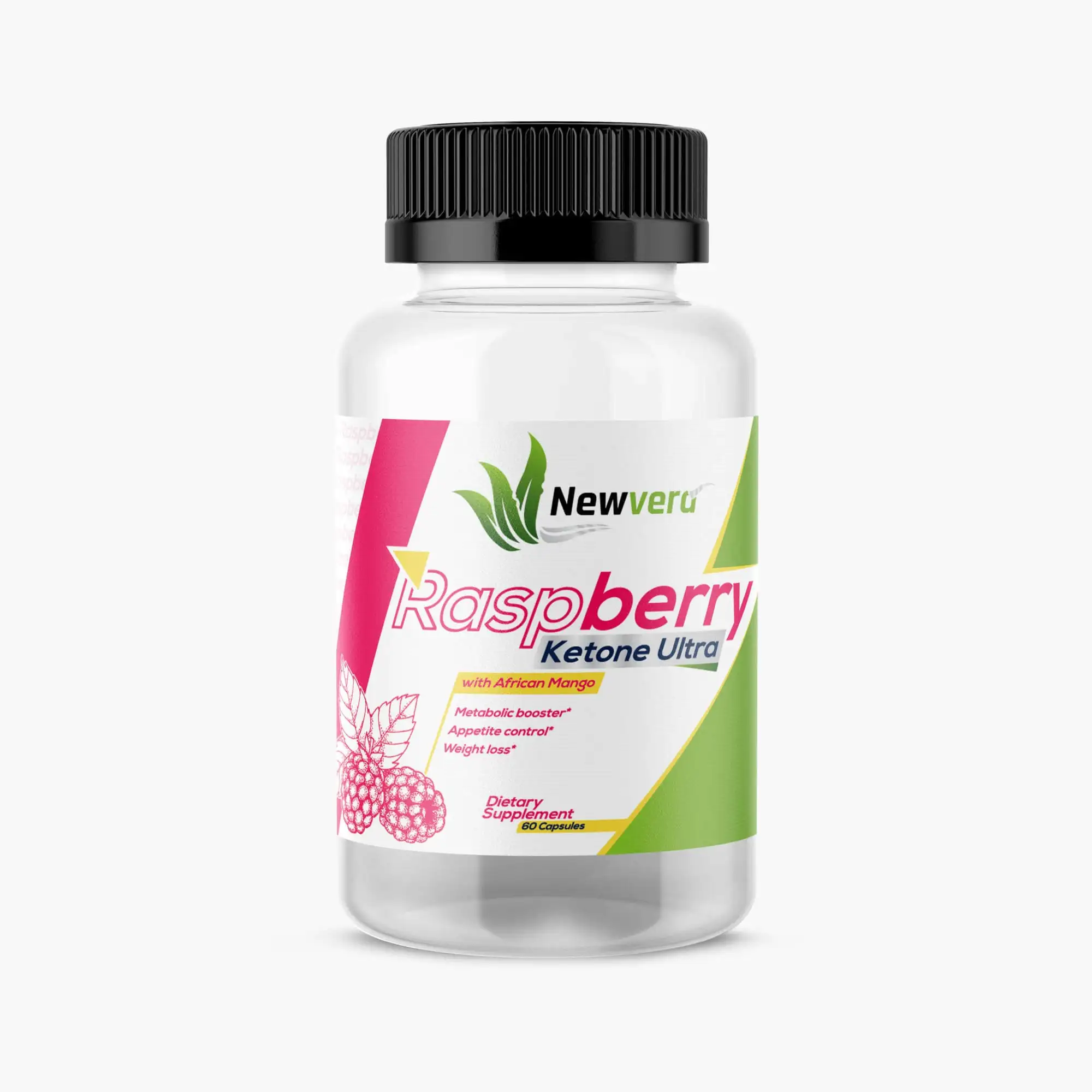
A product label design service designs the label that goes on your bottle, jar, pouch, can, tin or box — laying out your product name, brand, imagery and the required legal copy into one print-ready artwork a printer or manufacturer can run as-is. A good service starts from your exact container and dieline, arranges the mandatory information (ingredients, net quantity, business details and any category-specific declarations) in the right places, applies your brand consistently, and delivers production files set up correctly (CMYK or spot colours, bleed, the dieline on its own layer) plus digital mockups. In 2026, a single custom label from a freelancer or small studio typically costs around $150–$600, a small range of matching SKUs runs roughly $600–$2,000, and marketplace or template labels sit at $50–$300; agencies charge more. Treat every figure as a typical range and confirm a live quote and your printer's specs before you commit — a label that looks great but is set up to the wrong dieline costs you a whole print run.
We design product labels and packaging for consumer brands as a Top Rated Plus studio on Upwork — 8+ years, 3,000+ projects across 30+ countries and a 100% Job Success score — so the guidance below is what actually ships a label that survives the printer and sells on the shelf, not a generic checklist. This covers what a product label design service includes, what it costs in 2026, the label types and when each applies, how to choose a designer, and how the process runs. Print specs and pricing shift and labelling rules vary by product and market, so verify anything time-sensitive with your printer and the current rules before you print.
What is a product label design service?
A product label design service is a specialist graphic-design service that creates the printed label for a physical product — the artwork wrapped around a bottle, applied to a jar, printed on a pouch, or wrapped on a can — built to fit the exact container and ready to send straight to a printer. Where general graphic design makes something that looks good on screen, label design works to fixed physical and legal constraints: the artwork has to fit a specific dieline (the precise cut-and-shape template for your container), carry the information your product category legally requires, and be set up so a label printer or converter can produce it without reworking the file.
It sits inside your wider brand toolkit. A label looks its best when it's drawn from an existing brand identity package — the same logo, palette and fonts as your website, cards and other packaging — so everything a customer sees feels like one company. If you don't have that yet, a good designer keeps the label consistent with the logo and brand assets you do have, and flags where a light brand tidy-up would lift the result across your whole range.
What's included in a product label design service?
A complete service takes you from a container spec and some raw copy to files you can send straight to a label printer. What you should expect to receive:
- Label design to your dieline — the artwork built on the exact cut-and-shape template for your bottle, jar, pouch or can, so it fits the container precisely rather than being resized to approximately fit.
- A clear information layout — the product name and statement of identity, net quantity, ingredient or contents list, any category-specific declarations, and your business details, arranged so they're legible and correctly placed.
- Brand applied on-pack — your logo, colour palette and typography used consistently so the label looks like it belongs to your range, not a one-off.
- Print-ready production files — artwork set up correctly (CMYK or spot/Pantone colours, bleed, safe margins, the dieline on its own layer) that a label printer or converter can run without reworking.
- Variant handling — where you have several flavours, scents or sizes, a system that keeps the range consistent while making each SKU easy to tell apart at a glance.
- Digital mockups — realistic renders of the finished label on the container for your website, marketplace listings, ads and pitch decks before a single unit is printed.
The mockups matter more than founders expect: strong renders let you test the design on your store page and in ad creative before committing to a print run, so you launch with confidence rather than hoping it works at shelf and thumbnail size.
What types of product labels can a design service create?
"Label" covers several formats, and the right one depends on your container and how the label is applied. A good designer picks the format with you and builds the artwork to match how it will be printed and stuck on:
| Label type | Typical products | What to watch |
|---|---|---|
| Pressure-sensitive (sticker) label | Bottles, jars, tins, cosmetics, food | Most common; needs a die-cut shape and material choice (paper vs waterproof film) |
| Wrap-around label | Cans, tubes, cylindrical bottles | Artwork must account for the overlap seam and curvature distortion |
| Shrink-sleeve label | Drinks cans and bottles, full-body coverage | Design is distorted before shrinking, so it needs specialist file setup |
| Pouch / flexible packaging print | Coffee, snacks, supplements, pet food | The label IS the pack; front, back and gussets are one artwork to a dieline |
| In-mould / applied at manufacture | Some cosmetics and household products | Tight colour and registration constraints set by the manufacturer |
If your product is a full pouch, box or bottle rather than a simple applied label, you're closer to full packaging design that sells than a single label — the disciplines overlap, but the scope (and cost) grows with the number of surfaces and the structure involved.
How much does a product label design service cost in 2026?
For most brands, a single custom product label from a freelancer or small studio costs roughly $150–$600 in 2026, a small range of matching SKUs (a few flavours or sizes as one system) runs about $600–$2,000, and marketplace or template labels sit at $50–$300 with little brand or dieline work. Freelance designers commonly charge in the region of $45–$85 an hour for standard work and $85–$150+ for specialists, which is why a straightforward single label lands far below a full range. The table maps realistic bands to what you actually get; treat every figure as a typical range and confirm current rates before you commit.
| Option | Typical cost | What you get | Best for |
|---|---|---|---|
| Marketplace / template label | $50–$300 | A templated label filled in with your details, little brand or dieline work | Testing a single product on the tightest budget |
| Freelancer / small studio — single label | $150–$600 | Custom label built to your dieline, clean information layout, print-ready files, mockups | Launching one product properly |
| Freelancer / small studio — matching range | $600–$2,000 | A system across several flavours, scents or sizes, brand applied consistently | A brand launching or scaling a line of SKUs |
| Design agency | $2,500–$10,000+ | Strategy, structural exploration, extended range and retail-ready collateral | Funded brands going into major retail |
What moves the price inside a band is mostly scope, not the number of files: how many SKUs and container types you have, whether existing brand assets can be reused or need creating, print complexity (foils, spot colours, unusual materials or finishes), and how many revision rounds you run. Supplying final copy and a confirmed dieline up front is the biggest lever you have on both cost and timeline — the same discipline covered in our guide to how much packaging design costs across all product types.
The most expensive mistake in label design isn't an ugly layout — it's artwork built to the wrong dieline, or a missing legal element, discovered only after thousands of labels are printed. Confirm your container, label material and dieline with your printer before design starts, and have the final copy and any required declarations checked against the current rules for your product and market before it goes to print. A label that's beautiful but unprintable, or printable but non-compliant, costs you twice.
Are product labels legally regulated?
Often, yes — and it depends entirely on what the product is. Food, drink, cosmetics, supplements, cleaning products and children's items each carry their own mandatory labelling requirements (things like ingredient lists, net quantity, allergen or safety declarations, and the responsible business's name and address), and those rules differ by country and market. A product label designer's job is to lay the required elements out correctly and legibly in the right positions — but they are not your regulatory or legal advisor. You should verify the final content, wording and any claims with a suitably qualified advisor or the current rules for every market you sell in before you print.
This is where category specialists earn their fee. A designer who has shipped labels in your category will pre-empt the constraints a generalist walks into — for example, the compliance and dieline demands of a supplement packaging design service, where a Supplement Facts panel and specific disclaimers have to sit in defined places. Whatever your product, treat "I lay the required elements out correctly and you verify the content" as the right answer, and "don't worry, I handle all the legal side" as a red flag.
How to choose a product label designer
Choose for proof and process, not just portfolio gloss. A designer who's shipped labels in your category will avoid the print and layout problems a generalist runs into. Work through this checklist:
- Real labels that went to print in your category. Ask for actual product labels they've designed that were produced and sold — not screen mockups alone — ideally in a similar product type.
- Fluency with dielines and print setup. They should talk comfortably about building artwork to a printer's dieline, bleed, and colour setup (CMYK vs spot/Pantone). If this is new to them, expect delays and reprints.
- Print-ready file delivery, in writing. Get it stated that you'll receive correctly set-up, print-ready artwork and that you own the source files.
- A clear, honest position on compliance. They lay out the required elements correctly; you verify the content with a qualified advisor. Anyone claiming to be your legal sign-off is a warning sign.
- Verifiable reviews and communication. Look for verified reviews describing on-time delivery and clear communication — your launch date usually rides on it.
This is the same buying discipline we recommend across creative services — judging a logo design service for startups or any specialist studio on demonstrated results and a clear process rather than the lowest quote. In label and packaging work especially, the cheapest designer who doesn't understand dielines is the most expensive choice once you factor in a reprinted run.
How does the product label design process work?
A good service runs a clear sequence so nothing surprises you at the printer:
- Brief and specs. You share the product, final label copy, brand assets, and — critically — the confirmed container, label material and dieline from your printer or manufacturer.
- Concept design. The designer develops the label direction: how the brand, product name, key selling points and required information work together on-pack and on-shelf.
- Layout and structure check. The mandatory elements are placed and the artwork is fitted to the exact dieline, so what you approve is what can actually be printed.
- Revisions. You refine the chosen direction across a set number of rounds until each label and variant is right.
- Print-ready handoff and mockups. You receive the production files for your printer plus digital mockups for your store, listings and ads.
The best results come from getting the product's positioning and shelf presence right, not just decorating a template. On a crowded shelf or a scroll of marketplace thumbnails, a clear name, a strong colour block and one legible hero benefit usually beat busy detail — a specialist knows what survives at thumbnail size and reads from a metre away.
When should you hire a product label design service?
Hire one as soon as a product is real enough to sell — before you commit to a printer's or manufacturer's minimum order, because that's the point where a wrong dieline or a missing declaration turns into a costly reprint. Use a template only to test an idea pre-revenue; the moment you're spending on inventory, ads or retail placement, a professional label usually pays for itself in fewer reprints and a higher perceived value that lets you hold your price. If you're launching several SKUs, having them designed as one system from the start keeps the range consistent and lowers the per-label cost later.
If you'd like your product labels designed as a print-ready system the first time — built to your printer's dieline, with your brand applied and mockups for your store — our graphic design and packaging service covers exactly that, and you can check verified results on our Top Rated Plus profile on Upwork. Get the layout, the brand and the production files right together, and your label stops being a launch risk and starts doing the selling for you.
Frequently asked questions
How much does a product label design service cost in 2026?
For most brands, a single custom product label from a freelancer or small studio costs roughly $150–$600 in 2026, and a matching range of several SKUs designed as one system runs about $600–$2,000. Marketplace or template labels sit at $50–$300 but include little brand or dieline work, while agencies charge $2,500–$10,000+ for strategy and retail-ready ranges. Freelance designers commonly charge around $45–$85 an hour for standard work and $85–$150+ for specialists. The biggest cost drivers are the number of SKUs and container types, how much brand work already exists, print complexity such as foils or spot colours, and revision rounds. Treat these as typical ranges and confirm current rates before you commit.
What files should a product label designer give me for printing?
You should receive print-ready production artwork a label printer or converter can run as-is: the correct colour mode (CMYK, or spot/Pantone colours where your printer needs them), bleed and safe margins, and the dieline on its own layer so the cut and shape match your exact container. Get it confirmed in writing that these files are print-ready and that you own the editable source files. Ask your printer for their preferred file format and specifications before design starts, and give those to your designer — matching the printer's setup up front is what prevents a rejected file or a reprint.
What's the difference between label design and full packaging design?
Label design creates the printed artwork applied to an existing container — a sticker on a jar, a wrap on a can, or the print on a pouch — built to that container's dieline. Full packaging design is broader: it can include the structure itself (the box, carton or bottle shape), multiple surfaces, and how the whole pack is engineered and unboxed. A single applied label is usually a smaller, cheaper project than a full multi-surface pack. If your product is essentially a pouch, box or bottle with several printed faces, you're closer to full packaging design, and the scope and cost grow with the number of surfaces and the structural work involved.
Are product labels legally regulated?
Often, yes, and it depends on the product. Food, drink, cosmetics, supplements, cleaning products and children's items each carry their own mandatory labelling requirements — things like ingredient and allergen lists, net quantity, safety declarations, and the responsible business's name and address — and those rules vary by country and market. A label designer lays the required elements out correctly and legibly, but they are not your regulatory or legal advisor. Verify the final content, wording and any claims with a qualified advisor or against the current rules for every market you sell in before you print, since requirements change and differ by region.
Want this done for you?
FRPROTECH is a Top Rated Plus Upwork agency with 3,000+ projects delivered across 30+ countries. Tell us your goals and we'll handle the rest.
Written by the FRPROTECH design team. 8+ years building brands and websites for clients in 30+ countries, with a 100% Job Success Score on Upwork.