What Is Brand Strategy? A Practical Guide to Building One in 2026
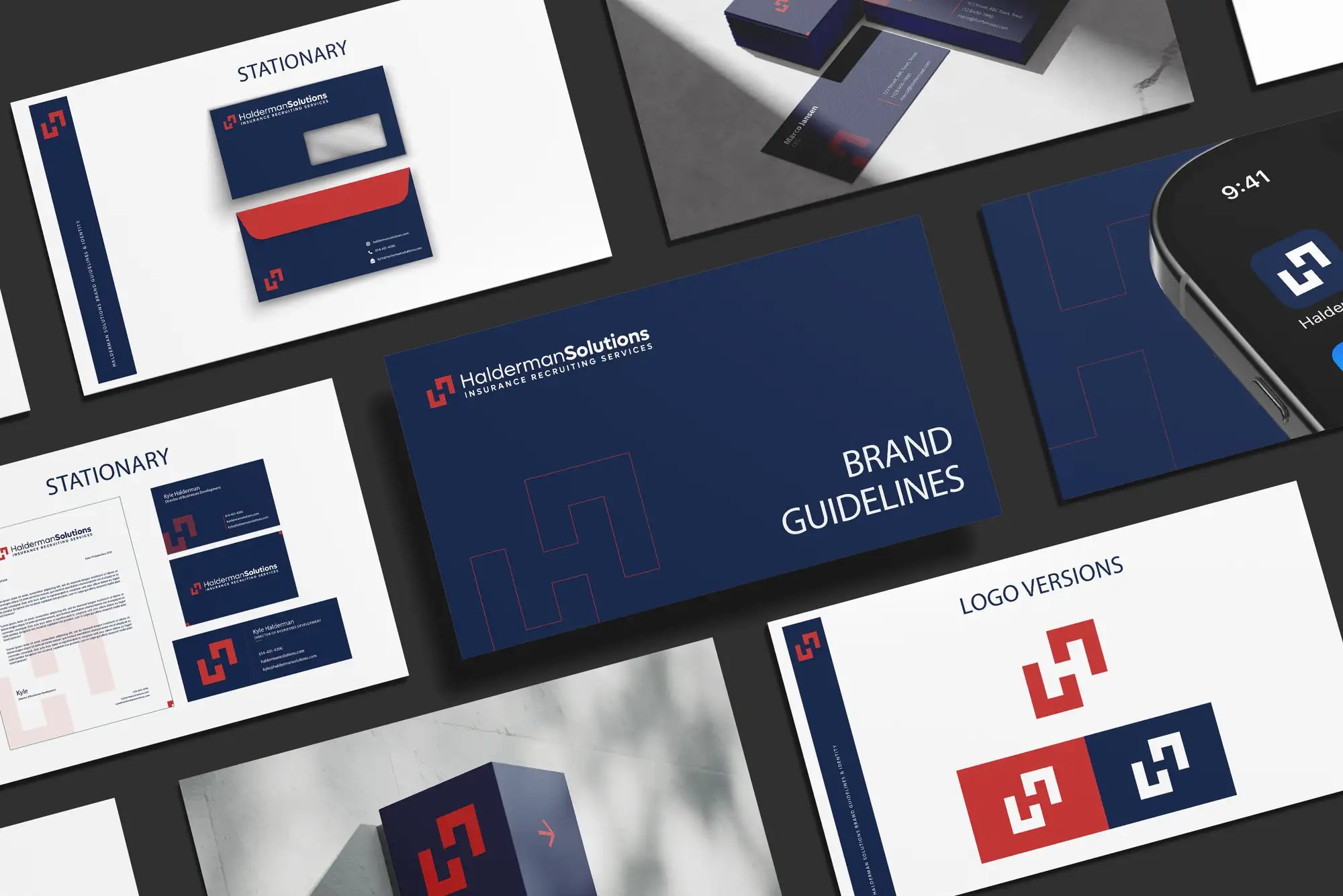
Brand strategy is the long-term plan for how your business wants to be perceived and the decisions that make that perception consistent everywhere it shows up. It's not your logo, your colours, or your website, those are the visible output. The strategy is the layer underneath: who you serve, what you stand for, how you're different, the personality you project, and the message you repeat. Get it right and everything downstream becomes easier, because every design choice, headline, and campaign now answers to the same clear idea instead of someone's taste on the day. A brand with a strategy feels coherent and deliberate; a brand without one feels like a pile of nice-looking pieces that don't add up. In short, brand strategy is the difference between having a logo and having a brand.
This guide explains what brand strategy actually includes, why it matters more than most founders expect, and a practical step-by-step way to build one, whether you're launching or tightening up an identity that's drifted. It's the same approach we apply on branding and visual identity projects across 8+ years and 3,000+ projects in 30+ countries as a Top Rated Plus agency on Upwork.
Brand strategy vs. brand identity: what's the difference?
People use these terms interchangeably, but they're different layers of the same thing. Brand strategy is the thinking, the decisions about who you're for and what you want to mean to them. Brand identity is the expression of those decisions in visible, tangible form: the logo, colours, typography, and imagery. Strategy comes first and drives identity, not the other way round. Designing a logo before you've decided what your brand stands for is like decorating a house before you've drawn the floor plan.
This is exactly why a beautiful logo can still fail. If the strategy underneath is fuzzy, the visuals have nothing to be consistent about, and the brand feels hollow. We cover the visual side in detail in logo design vs. brand identity; this piece is about the strategic layer that should shape all of it before a single colour is chosen.
A quick test: ask five people on your team to describe, in one sentence, what your brand stands for and who it's for. If you get five different answers, you have a design problem masquerading as a marketing problem, and no new logo will fix it. That gap is what a brand strategy closes.
Why brand strategy matters
A clear strategy isn't a branding luxury, it's what makes the rest of your marketing work harder for less. When you know exactly who you're talking to and what you want to mean to them, your messaging gets sharper, your design gets more consistent, and your customers start to recognise and trust you faster. Without it, every campaign starts from scratch and every new hire or agency reinvents the brand slightly differently.
- Consistency. A strategy gives everyone, designers, writers, developers, salespeople, the same reference, so the brand feels like one voice instead of ten.
- Differentiation. It forces you to define how you're genuinely different, so you stand out instead of blending into a category of look-alikes.
- Faster decisions. "Does this fit the brand?" becomes answerable, which cuts endless debate about copy, colours, and campaigns.
- Premium perception. Brands that feel deliberate and coherent command higher prices and more trust than ones that feel improvised.
- Loyalty. People bond with what a brand stands for, not just what it sells, and that emotional connection is what turns buyers into repeat customers.
The core components of a brand strategy
A brand strategy isn't one document with a fixed template, but strong ones nearly always define the same handful of building blocks. Get clear on these and you have the substance you need; skip them and the visuals have nothing solid to stand on.
| Component | The question it answers | Why it matters |
|---|---|---|
| Purpose | Why do we exist beyond making money? | Gives the brand meaning people connect with |
| Audience | Who exactly are we for? | Focuses every message and design choice |
| Positioning | What space do we own in their mind? | Sets you apart from competitors |
| Personality & voice | How do we look and sound? | Makes the brand recognisable and human |
| Values | What do we believe and stand for? | Guides behaviour and builds trust |
| Messaging | What do we say, and how? | Keeps communication clear and consistent |
Notice how much of this happens before any visual work. Once these are decided, your colour palette, typography, and logo have a clear brief to answer to, which is exactly when design starts to feel inevitable rather than arbitrary.
How to build a brand strategy, step by step
You don't need a huge budget or a hundred-page deck to build a usable strategy, you need honest answers to the right questions, written down and agreed on. Here's a practical order to work through them.
- Start with purpose and vision. Write down why your business exists beyond profit and where you want it to be in five years. This is the north star every other decision points back to. Keep it true, not aspirational fluff you'll never live up to.
- Define your audience precisely. Move past "small businesses" to a real picture: their goals, frustrations, what they're currently using, and the words they use to describe the problem. You can't be distinctive to everyone, so choose who you're for, and quietly, who you're not.
- Study the competition. Map how rivals position themselves and how they look and sound. You're hunting for the gap: the space no one owns, the angle everyone's ignoring, the tone the category is missing. That gap is where your positioning lives.
- Write your positioning statement. In one or two sentences: for [audience], [your brand] is the [category] that [key benefit], because [reason to believe]. This single line disciplines everything else.
- Define personality, voice, and values. Decide the three or four traits your brand embodies (e.g. confident, warm, precise) and the handful of values you actually operate by. These shape how you write and design, from headlines to button labels.
- Build your messaging framework. Turn the above into a tagline, a short elevator pitch, and a few core messages you'll repeat. Consistency here is what makes people remember you.
- Document it and use it. Capture everything in a brand strategy document (and later, brand guidelines) so it survives new team members, new agencies, and new channels. A strategy no one references is just a nice PDF.
Don't confuse a brand strategy with a rebrand. If your business is fundamentally sound but your identity has drifted or dated, you may only need to tighten the strategy and refresh the visuals, not start over. We cover how to tell the difference in when to rebrand without losing customers.
Turning strategy into a brand people actually see
A strategy only earns its keep when it shows up in the work. Once the thinking is done, it should visibly shape your identity and everything you publish, otherwise it stays a document and the brand stays inconsistent. The bridge from strategy to reality runs through a few concrete outputs.
- Visual identity. Your positioning and personality brief the logo, colour palette, and type choices so the look matches the meaning.
- Brand guidelines. A living document that locks how the identity and voice are used, the same role a design system plays for product teams.
- Website and landing pages. Your positioning becomes the headline and structure of a page that converts, not just decoration.
- Content and social. Your voice and messaging make your social presence recognisably yours, post after post.
The through-line is consistency. A brand becomes an asset only when the same strategy shows up, the same way, across every touchpoint, long enough that people start to recognise it. That's why the strategy belongs in writing and why it should brief every designer and marketer who touches the brand.
Common brand strategy mistakes
Most strategy failures aren't dramatic, they're quiet gaps that let inconsistency creep back in. These are the ones we see most often:
| Mistake | Why it hurts | Fix |
|---|---|---|
| Skipping strategy, starting with a logo | Visuals have nothing to be consistent about | Decide positioning and audience first |
| Trying to appeal to everyone | You become distinctive to no one | Choose a specific audience and own it |
| Copying a competitor's positioning | You reinforce their brand, not yours | Find and own the gap they've left |
| Writing it once, never using it | The brand drifts straight back | Document it and brief every new hire/agency |
| Aspirational values you don't live | Customers sense the gap and lose trust | Base values on how you actually behave |
The thread through all of these is discipline. A brand strategy is only as good as your willingness to apply it consistently, which is why the last step, documenting it and actually using it, matters more than making it look impressive.
Your brand strategy checklist
Before you call your strategy done, run through this:
- You've written a clear purpose and vision that's true to the business.
- You've defined a specific audience, their goals, frustrations, and language.
- You've studied competitors and identified the gap you'll own.
- You have a one- or two-sentence positioning statement everyone agrees on.
- You've defined your brand personality, voice, and a short set of real values.
- You have a tagline, elevator pitch, and core messages you repeat.
- It's all captured in a document your team and agencies actually reference.
- Your visual identity and content visibly reflect the strategy, not just taste.
Build the strategy first and the rest of your brand stops being guesswork, every colour, headline, and campaign now points the same direction, and people start to recognise and trust you faster. If you'd rather have your positioning, identity, and guidelines built and documented for you, our branding and visual identity service turns strategy into a coherent brand ready for every channel, and you can see verified results on our Top Rated Plus profile on Upwork.
Frequently asked questions
What is brand strategy in simple terms?
Brand strategy is the long-term plan for how you want your business to be perceived, and the decisions that keep that perception consistent everywhere. It defines who you serve, what you stand for, how you're different, the personality you project, and the message you repeat. It's not your logo or colours, those are the visible output; the strategy is the thinking underneath that tells the visuals what to be. A brand with a strategy feels deliberate and coherent, while one without feels like a set of nice-looking pieces that don't add up.
What's the difference between brand strategy and brand identity?
Brand strategy is the thinking, the decisions about who you're for, how you're positioned, and what you stand for. Brand identity is the expression of those decisions in visible form: the logo, colours, typography, and imagery. Strategy comes first and drives identity, not the other way round. That's why a beautiful logo can still fail: if the strategy underneath is fuzzy, the visuals have nothing to be consistent about, and the brand feels hollow no matter how polished it looks.
Do small businesses really need a brand strategy?
Yes, and arguably more than big ones, because a small business can't outspend competitors and has to out-position them instead. You don't need a huge budget or a hundred-page deck; you need honest answers to the right questions, written down and agreed on: who you're for, how you're different, and what you want to mean to them. Even a one-page strategy makes your marketing sharper, your design more consistent, and your decisions faster, which is exactly what a smaller team needs.
How long does it take to build a brand strategy?
For a focused small business, a workable strategy can come together in one to three weeks of concentrated work: defining purpose and audience, studying competitors, writing a positioning statement, and agreeing personality, voice, and messaging. Larger organisations with more stakeholders and research take longer, often four to eight weeks. The bigger variable isn't time but decisiveness, the fastest strategies come from teams willing to choose a specific audience and position rather than trying to keep every option open.
Want this done for you?
FRPROTECH is a Top Rated Plus Upwork agency with 3,000+ projects delivered across 30+ countries. Tell us your goals and we'll handle the rest.
Written by the FRPROTECH design team. 8+ years building brands and websites for clients in 30+ countries, with a 100% Job Success Score on Upwork.