Sustainable Packaging Design for D2C Brands in 2026
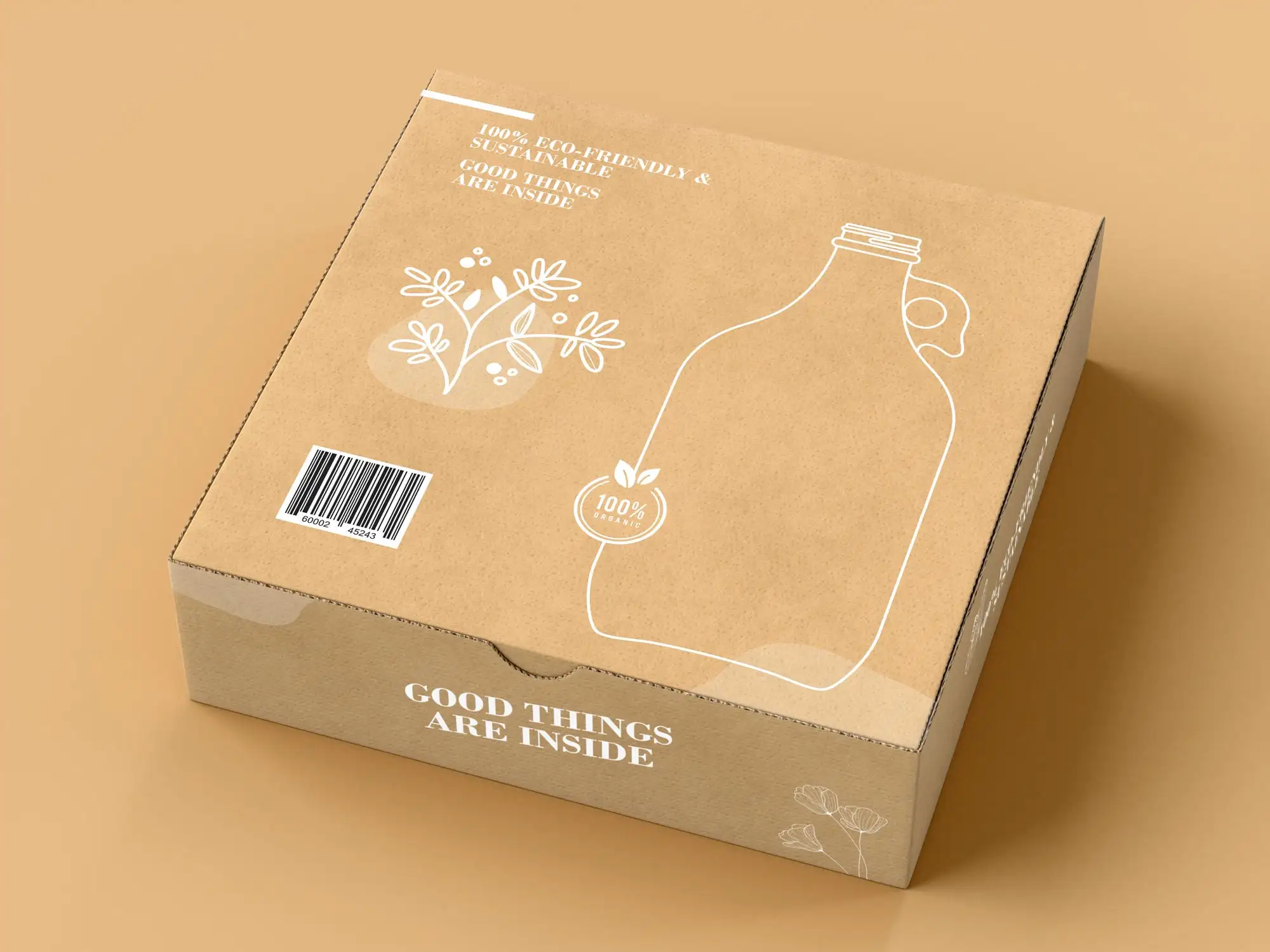
Sustainable packaging design for D2C brands is the practice of designing direct-to-consumer product packaging that minimises environmental impact — using recyclable, mono-material, paper-based or compostable substrates, less material overall, and honest, verifiable claims — while still protecting the product and delivering a premium unboxing moment. For a D2C brand, the win is a pack that ships safely, recycles easily, reads as genuinely sustainable rather than greenwashed, and still looks worth the price. In practice it comes down to five decisions: pick one recyclable or compostable material family (mono-material beats mixed), cut the layers and void fill you do not need, design for the shipping journey and not just the shelf, make recyclability obvious with clear disposal labelling, and back every green claim with a specific you can prove. Do that and sustainability stops being a cost line and becomes a reason customers choose you — and tell a friend.
Most D2C founders already want sustainable packaging. Where it goes wrong is the design: a "recyclable" mailer laminated to a plastic window that no facility will actually accept, three layers of tissue and void fill around a tiny product, or a vague "eco-friendly" badge that regulators and customers now see straight through. We design packaging and brand systems for product companies as a Top Rated Plus studio on Upwork — 8+ years, 3,000+ projects across 30+ countries and a 100% Job Success score — so this is the practical playbook we use. It sits alongside our guides to packaging design that sells and product label design, which cover the shelf-impact and labelling layers a sustainable pack still has to win on.
What is sustainable packaging design for a D2C brand?
It is designing a direct-to-consumer pack so that the materials, the amount of material, and the end-of-life path are all chosen to reduce waste — without losing the protection the product needs in transit or the brand feel the customer paid for. For a D2C brand specifically, "sustainable" has to survive the postal network: unlike a retail box that sits on a shelf, your packaging gets thrown into vans, dropped, and stacked, so a design that is eco on paper but arrives dented helps no one. Good sustainable design holds three things in balance at once — planet, protection and brand — and refuses to trade any one away completely.
Sustainable packaging design is the practice of specifying the lowest-impact materials and the least material that will still protect the product and carry the brand — designed around how the pack is actually made, shipped and disposed of, not just how it looks on a studio table.
Why does sustainable packaging matter for D2C brands in 2026?
Because for a direct-to-consumer brand, the packaging is the product experience — there is no shop, no shelf and no salesperson, so the box on the doorstep is the whole first impression, and more buyers now judge brands on it. Three forces make it a 2026 priority rather than a nice-to-have:
- Customers expect it, and notice when it is fake. Shoppers increasingly favour brands with credible environmental practices, and they are quicker than ever to call out packaging that claims green credentials it cannot back up. A pack that is obviously over-packaged or vaguely "eco" now costs trust.
- Regulation is tightening. Rules such as the EU's Packaging and Packaging Waste Regulation and extended producer responsibility (EPR) schemes are pushing brands toward recyclable, right-sized packaging and away from unverifiable claims. Designing for this now avoids a costly redesign later.
- It is a growth lever, not just a cost. A recyclable, right-sized, beautifully designed pack reduces shipping weight and returns, earns unboxing shares, and gives you a genuine story to tell — the kind of word-of-mouth a D2C brand lives on.
The through-line: sustainability and commercial performance are not opposites for a D2C brand. The same decisions that cut impact — less material, mono-material, right-sized boxes — also cut cost per shipment and lift the unboxing moment. That is why we treat it as a design problem, not a compliance chore, in the same way our packaging that sells work treats shelf impact.
What materials work best for sustainable D2C packaging?
The best material is the one that protects your specific product, recycles easily in your customers' area, and uses as little as possible — but a few families do most of the heavy lifting for D2C. The rule that matters most is mono-material: a pack made from a single material family (all paper, or one recyclable plastic) is far more likely to actually get recycled than a mixed-material pack that has to be pulled apart first.
| Material | Best for | Watch out for |
|---|---|---|
| Corrugated cardboard (FSC-certified) | Shipping boxes, mailers, inserts | Right-size it — an oversized box wastes material and invites damage |
| Moulded paper pulp | Protective inserts, replacing foam and bubble wrap | Tooling cost suits higher volumes; test fit carefully |
| Kraft & glassine paper | Wraps, void fill, pouches, tissue | Avoid plastic windows or heavy coatings that break recyclability |
| Mono-material recyclable plastic (e.g. PET) | Pouches and films where paper cannot protect the product | Keep it to one polymer; mixed laminates are hard to recycle |
| Compostable / bio-based (PLA, mycelium, seaweed films) | Short-shelf-life or premium eco-positioned products | Label disposal clearly — home vs industrial composting differ |
A practical note on finishes: the quickest way to turn a recyclable pack into landfill is a plastic laminate, a foil block, or a window film bonded to paper, because it contaminates the recycling stream. Where you want shine or texture, reach for recyclable-friendly options — uncoated or water-based coatings, debossing instead of foil, and paper tapes instead of plastic. This is the same material-first thinking we apply to supplement packaging and food packaging, where protection and recyclability both have to be solved at once.
How do you design sustainable packaging that still looks premium?
You make the sustainability itself look intentional and high-end, rather than apologising for it. Recycled kraft and uncoated board read as cheap only when the design is careless; handled well, their natural texture signals craft and honesty. Five design moves do most of the work:
- Lean into the material, do not hide it. Let natural kraft, pulp texture and a matte, uncoated finish be the aesthetic. A restrained, confident design on recycled board looks more premium than a glossy plastic-wrapped box.
- Design with ink, structure and emboss, not plastic. Replace foil and laminates with one or two spot colours, bold typography, and debossing or embossing — tactile effects that feel premium and keep the pack recyclable.
- Right-size everything. A box cut to the product looks considered and ships cheaper; a half-empty box with void fill looks wasteful. Good structural design is where sustainability and premium feel meet.
- Make the inside part of the brand. A printed interior, a short thank-you message, or a simple pattern turns the mono-material box into an unboxing moment without adding plastic.
- Keep the system consistent. The box, the tape, the tissue, the label and the insert should all feel like one brand. A coherent, restrained system reads as premium; a mismatched one reads as DIY — the same consistency principle behind our brand identity work.
If any of this is being produced or mocked up with AI image tools, watch your brand details carefully — generators routinely drift colours, warp logos and invent finishes, so treat AI renders as rough concepts and lock the real artwork to spec. We cover why that happens and how to control it in our guide to AI brand consistency.
How do you avoid greenwashing in your packaging claims?
You avoid greenwashing by only making claims you can prove with a specific, and by telling the customer exactly what to do with the pack. Vague badges like "eco-friendly" or "green" now erode trust rather than build it, and regulators are increasingly treating unsubstantiated claims as a compliance risk. Design your on-pack sustainability messaging like this:
- Be specific, not vague. "Made from 90% recycled board, widely recyclable" beats "eco-friendly." A number or a named material is credible; an adjective is not.
- Give clear disposal instructions. Tell people how to recycle or compost each component — "Recycle this box; compost the insert at home" — using standard labelling where it applies. This is the single most useful thing on a sustainable pack.
- Don't claim the whole pack is green when only part is. If the box is recyclable but the inner film is not, say so. Honesty about the exception protects the claim about the rest.
- Keep the evidence. Certifications (FSC, compostability standards) and recycled-content figures should be real and documented — you may need to stand behind them.
What does a great sustainable unboxing look like for a D2C brand?
It feels generous and considered while using almost nothing extra — the opposite of layers of plastic. The best sustainable D2C unboxings replace volume with thought: a right-sized recyclable box, moulded-pulp or paper protection that fits the product exactly, a printed interior or a single branded card, a paper tape seal, and clear words telling you the whole thing recycles. The customer gets the little hit of delight an unboxing is meant to deliver, and then feels good — not guilty — putting it in the recycling. That combination is what gets photographed and shared, and sharing is free acquisition for a direct-to-consumer brand. If you want that experience designed end to end, that is exactly what our graphic design service builds: the box, the insert, the label and the messaging as one sustainable, on-brand system.
The bottom line for D2C brands in 2026
Sustainable packaging design for D2C brands is not about adding a green badge — it is about choosing one recyclable or compostable material, using less of it, designing for the journey to the doorstep, and being specific and honest about disposal. Get those right and the pack protects the product, lowers your shipping and returns, earns shares, and tells a story customers believe. In 2026, for a brand whose entire storefront is a box on a doorstep, that is not a sustainability expense — it is one of the highest-leverage brand decisions you can make.
Frequently asked questions
What is the most sustainable packaging material for a D2C brand?
There is no single best material — the most sustainable choice is the one that protects your specific product, recycles easily where your customers live, and uses the least material possible. For most D2C brands, FSC-certified corrugated cardboard for the outer box plus moulded paper pulp or kraft paper for protection is the strongest default, because it is widely recyclable, ships light and looks premium when designed well. The more important rule than the material itself is mono-material: a pack made from one material family is far more likely to actually be recycled than a mixed pack of paper bonded to plastic film, which most facilities reject.
Is sustainable packaging more expensive for a small D2C brand?
It can cost more per unit for some materials, but the full picture is often cost-neutral or cheaper once you account for everything. The same decisions that make a pack sustainable — using less material, right-sizing the box, and dropping unnecessary layers of void fill and plastic — also cut material cost and shipping weight, and a better-fitting box reduces damage and returns. Where a premium eco material does add cost, D2C brands usually recoup it through higher perceived value, repeat purchases and the free word-of-mouth a genuinely sustainable, shareable unboxing generates. Start by right-sizing and removing waste before paying a premium for exotic materials.
How do I avoid greenwashing on my packaging?
Only make claims you can prove with a specific, and tell the customer exactly how to dispose of the pack. Replace vague words like 'eco-friendly' or 'green' with concrete statements such as 'made from 90% recycled board, widely recyclable,' and add clear disposal instructions for each component — which part to recycle, which to compost, and whether composting is home or industrial. If one part of the pack is not recyclable, say so rather than implying the whole thing is. Keep documentation for any certifications or recycled-content figures, because unsubstantiated environmental claims are increasingly a regulatory and trust risk.
Can sustainable packaging still look premium and high-end?
Yes — and done well it looks more premium, because natural recycled materials read as honest and crafted rather than mass-produced. The trick is to design with the material instead of hiding it: let uncoated kraft or pulp texture be the aesthetic, use embossing, debossing and one or two confident spot colours instead of plastic laminates and foil, right-size the box so it feels considered, and make the interior part of the brand. A restrained, consistent system across the box, tape, tissue and label reads as high-end; it is careless design, not recycled material, that makes a pack look cheap.
Want this done for you?
FRPROTECH is a Top Rated Plus Upwork agency with 3,000+ projects delivered across 30+ countries. Tell us your goals and we'll handle the rest.
Written by the FRPROTECH design team. 8+ years building brands and websites for clients in 30+ countries, with a 100% Job Success Score on Upwork.