Food Packaging Design Service: What It Costs and What a Good One Includes (2026)
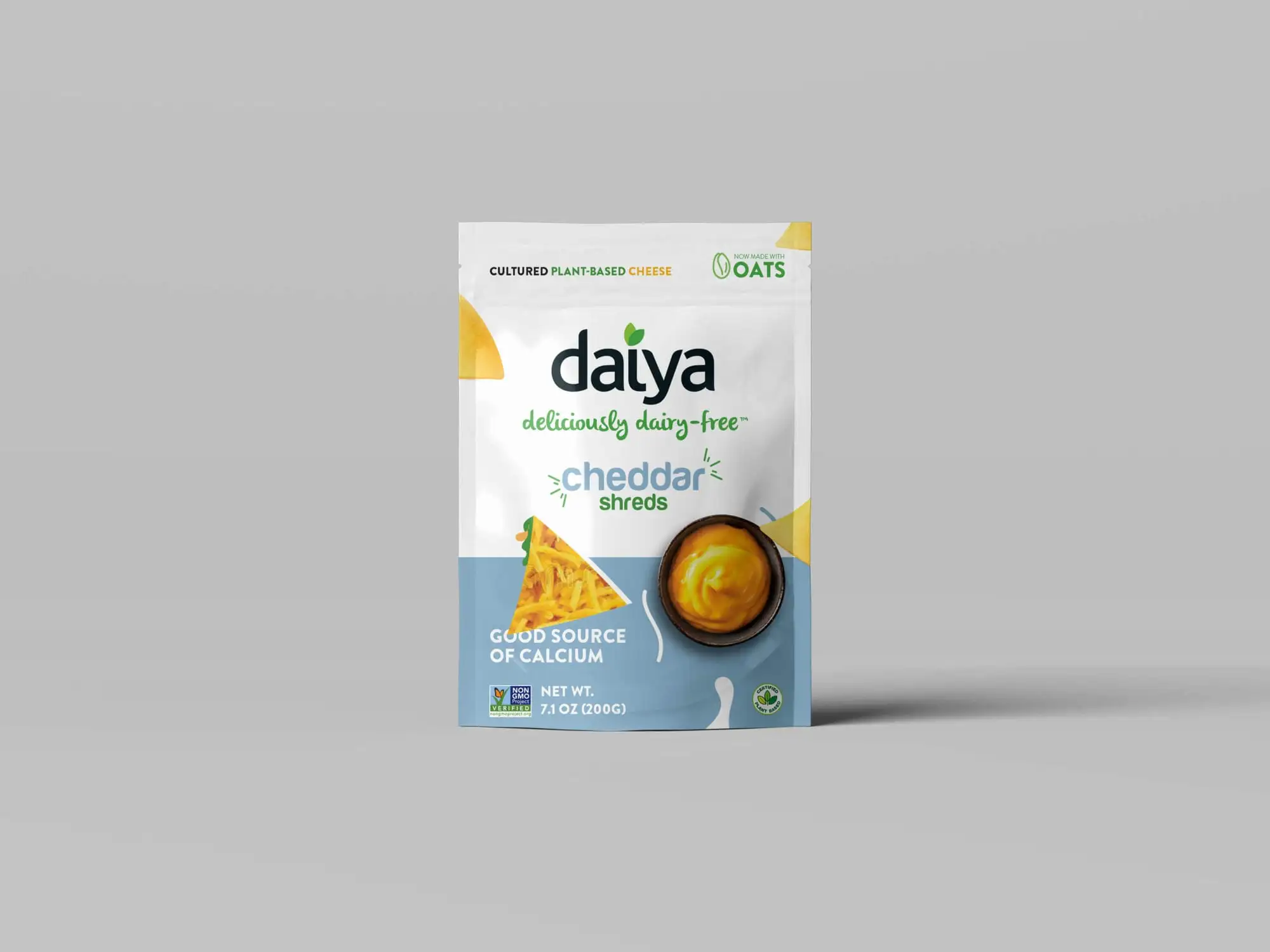
A food packaging design service designs the physical packaging for a food or drink product — the pouch, box, jar, tin or label — so it stops a shopper on a crowded shelf, communicates the product in seconds, meets labelling requirements, and arrives as a print-ready die-line your manufacturer can produce without surprises. In 2026, an experienced freelancer or small studio typically charges $300–$1,200 for a single SKU, $1,200–$6,000 for a small product range built on a reusable system, agencies commonly charge $6,000–$25,000+, and design subscriptions run roughly $700–$1,400 a month; marketplace gigs start near $50–$300 but usually skip strategy, die-lines and print prep. The expensive mistake is treating food packaging as decoration: it has under three seconds to earn attention and it has to print and comply, so appetite appeal, a clear hierarchy and a correct production file matter far more than how busy the artwork looks. For most emerging food brands, a specialist freelancer or small studio is the sweet spot — custom, print-correct work without agency overhead. Treat every figure here as a 2026 range to confirm against a live quote, because the number of SKUs, the packaging format and whether print-ready die-lines are included move the price most.
Food packaging is the one piece of design that has to sell, survive the printer and satisfy a regulator all at once — which is why a template rarely cuts it. A pouch that looks beautiful on screen but has the wrong bleed, a missing die-line or an illegible ingredients panel costs you a reprint and a delayed launch, not just a redesign. We design packaging, labels and brand identities for food, drink and wellness brands as a Top Rated Plus studio on Upwork — 8+ years, 3,000+ projects across 30+ countries and a 100% Job Success score — so the ranges and advice below are what clients actually experience, not a rate card. This guide covers what a food packaging design service is, what it costs in 2026, what a good one includes, why prices vary so much, how to choose between a freelancer, an agency and a subscription, and how to brief one so the packaging sells. If you want the wider number first, our breakdown of how much packaging design costs sets the full picture across every product type.
What is a food packaging design service?
A food packaging design service designs the artwork and structure for how a food or drink product is presented and sold — the front-of-pack that catches the eye, the back-of-pack that carries the legal and nutritional information, and the production files a printer or manufacturer needs to make it. It goes far beyond making a label look pretty: a good service starts with the product, the shelf it will sit on and the shopper it needs to win, then designs the hierarchy, typography, imagery and colour to make the product instantly readable and appetising, and finishes by preparing a technically correct file — the right die-line, bleed, resolution and colour setup — so it prints as intended.
The output is usually a package of files rather than a single picture: a print-ready artwork laid out on your printer's die-line, a proof or mock-up so you can see it in context, and often the editable source so you can spin up new flavours later. The service is defined by three constraints most design work doesn't share at once. It has to sell in seconds on a shelf full of competitors; it has to carry mandatory information (ingredients, allergens, net weight, nutrition, business details) legibly and in the right places; and it has to be built to production spec so it manufactures cleanly. Miss any one of those and the design fails, however good it looks in a portfolio.
How much does a food packaging design service cost in 2026?
In 2026, a single food or drink SKU typically costs $300–$1,200 with an experienced freelancer or small studio, a small range on a reusable system runs $1,200–$6,000, agencies charge $6,000–$25,000+, and design subscriptions sit around $700–$1,400 a month; marketplace gigs start near $50–$300 but usually omit strategy, die-lines and print prep. The single biggest variable is scope — one label versus a whole range, and whether the price includes a print-ready die-line or just a flat mock-up. Here's how the routes compare; every figure is a range that moves with the number of SKUs, the packaging format, seniority, revisions and print complexity:
| Route | Typical cost | What you get | Best for |
|---|---|---|---|
| Marketplace gig (Fiverr-style) | $50–$300 | A flat front-of-pack mock-up; often no die-line, print prep or strategy | Throwaway concepts or the earliest test batch |
| Freelancer / small studio (single SKU) | $300–$1,200 | One custom, print-ready design on a correct die-line, with revisions | Most first products and emerging food brands |
| Freelancer / small studio (product range) | $1,200–$6,000 | A reusable system across several SKUs, plus editable source files | A launch line or a growing multi-flavour range |
| Design subscription | $700–$1,400/mo | Ongoing packaging and marketing design at a flat monthly rate | Brands shipping new SKUs and creative every month |
| Agency | $6,000–$25,000+ | Research, brand strategy, structural design and full production | Funded or scaling brands with retail and shelf ambitions |
For most readers here — a first product or an emerging food brand — the realistic target is the $300–$1,500 band for a single SKU with a specialist freelancer or small studio, and $1,500–$6,000 once you need a consistent range. Below roughly $150 you're usually buying a flat template mock-up with no die-line, which the printer then can't use — so the 'cheap' design quietly costs you a paid production file on top. Above $10,000 you're paying for agency research, structural (physical pack) design and account overhead that most emerging brands don't need until they're scaling into major retail. A design subscription only makes sense once you're releasing new SKUs or marketing creative frequently enough to keep a monthly designer busy.
Before you compare two quotes, confirm one thing: are you paying for a print-ready die-line or just a flat picture? A shelf-ready food design must be laid out on your printer's or manufacturer's die-line (the exact cutting and folding template), at 300 DPI, with bleed and the correct colour setup (usually CMYK, sometimes named Pantone or spot colours for a specific brand colour). A quote that delivers only a JPEG or a flat PDF looks cheaper until the printer asks for a production file you now have to commission separately. Ask for the die-line, the resolution, the colour mode and whether the editable source is included — that gap is where a bargain design turns into a reprint and a delayed launch.
What does a good food packaging design service include?
At the freelancer or small-studio level, a food packaging service should cover far more than a nice front-of-pack. Expect these to be spelled out in the quote:
- A short brief or discovery step — the product, the target shopper, the retail or online context, competitors on the same shelf and the one thing that makes it worth picking up, agreed before any design starts.
- Front-of-pack design — a clear hierarchy (brand, product, flavour/variant, key claim), appetite appeal and a look that reads instantly at arm's length, not just up close.
- Back-of-pack and information panel — ingredients, allergens, net weight, nutrition and business details laid out legibly and in the expected order, so the mandatory information is present and readable.
- A correct die-line and print file — artwork built on your printer's die-line at 300 DPI with bleed and the right colour setup (CMYK and any Pantone/spot colours), ready to manufacture.
- A realistic mock-up — the design shown on the actual pack format (pouch, box, jar, tin) so you and any retail buyer can judge it in context before printing.
- Defined revision rounds — a stated number of feedback rounds so scope and price stay predictable.
- Editable source and ownership — the working file so you can add flavours later, plus written confirmation you own the final artwork with any licensed imagery cleared.
The information panel is where cheap food packaging most often fails: it's easy to make a front-of-pack look great and quietly get the ingredients, allergens or net-weight presentation wrong, which can block a retail listing or force a reprint. A good service treats the back-of-pack as seriously as the front. If your brand's logo, colours and type aren't locked yet, the packaging will only ever be as consistent as the identity underneath it — our guide to a brand identity package for small businesses covers building that foundation, and if you just need the mark itself, see how much a logo design costs for a small business.
Why do food packaging design prices vary so much?
The same product can be quoted at $200 and $8,000, and the gap is almost always about scope, production and seniority rather than one designer overcharging. These are the factors that move the number most:
- How many SKUs. One flavour is cheap; a range of six that must share a system and stay distinguishable multiplies the work — though the per-SKU cost usually falls once the system exists.
- Packaging format and structure. A flat label is far simpler than a folding carton, a stand-up pouch or a custom box that needs structural (die-line) design as well as artwork.
- Whether print-ready files are included. A flat mock-up is cheaper than a production-ready die-line with bleed, correct colour and printer specs — and only the second one can actually be manufactured.
- Imagery and illustration. Using your own product photos is cheapest; commissioning photography, custom illustration or generating and cleaning up AI imagery all add cost.
- Brand work and revisions. If the brand identity is being created alongside the pack, that's extra scope, and open-ended revision rounds push the price up — which is why good quotes cap them.
Because the die-line and the number of SKUs are the two most-forgotten lines, they're where quotes most often differ. Before comparing two prices, make sure both assume the same packaging format and both include a print-ready production file — otherwise you're comparing a flat picture against something a factory can actually run. The same logic applies across print work: our product label design service and supplement packaging design service guides break down the same die-line-and-SKU dynamics for labels and wellness products.
Freelancer, agency or subscription — which food packaging route is right?
The right route depends on how many SKUs you're launching, how often you ship new ones, and your budget. Match the choice to the job rather than defaulting to the cheapest or the most complete option:
Choose a freelancer or small studio if…
- You're launching one product or a small range and need custom, print-correct work without agency overhead — the sweet spot for most emerging food brands.
- You want senior, personal attention and a designer who will prepare the die-line and hand your printer a file that runs cleanly.
- You value being able to reuse the source file for new flavours without paying agency rates each time.
Choose a design subscription if…
- You're releasing new SKUs, seasonal editions or marketing creative often enough to keep a monthly designer busy.
- You want predictable monthly cost and fast turnaround more than a single deep strategic project.
Choose an agency if…
- You're funded or scaling into major retail and need shopper research, brand strategy and structural pack design together.
- The project involves a full brand build, a large range and a multi-skill team, and the budget supports it.
For most first products and growing food brands, a specialist freelancer or small studio is the value pick — custom, print-ready quality without the overhead. If you'd rather scope the work around your product and shelf than a fixed menu, our graphic design service sizes the job to what you're launching, from a single label to a full range.
How to brief a food packaging designer for a pack that sells
The quality of food packaging is decided largely by the brief. Give a designer these five things and you'll get a pack that works on a shelf rather than one that merely looks nice on screen:
- The product and the shopper. What it is, who buys it and why they'd pick it over the product next to it — the single reason to reach for yours.
- Where it sells. A supermarket shelf, a farm shop, an online thumbnail or a wholesale box each change how bold, legible and detailed the design must be.
- The mandatory information. Final, proofread ingredients, allergens, net weight, nutrition and business details, so the back-of-pack is correct from the first draft.
- Your brand and assets. Logo, colours, fonts and any product photography up front — and flag if the brand identity still needs creating so it's scoped in.
- The production specs. Your packaging format, your printer or manufacturer's die-line and requirements (or that you need one sourced), plus quantity, so the files are built right the first time.
The single biggest lever is restraint on the front-of-pack: resist cramming every claim and icon onto the face. A pack with a clear brand, an obvious product name and one hero claim will out-sell a cluttered one every time, because a shopper reads it in under three seconds. Good designers will push back on overcrowding and on anything that risks a compliance problem — and that pushback is part of what you're paying for.
Is a food packaging design service worth it?
A food packaging design service is worth it whenever the product will sit on a shelf, be listed by a retailer or be photographed for an online store — because packaging is the single biggest signal of quality a shopper judges before tasting anything, and a cluttered, templated or non-compliant pack quietly loses the sale or blocks the listing. It's poor value only for a genuine one-off test batch where a rough label will do while you validate the product. For most first products and growing food brands, the smart play is a specialist freelancer or small studio: brief them tightly, get custom, print-ready, compliant files with the die-line and editable source included, and reuse that system as you add flavours.
If you'd like food packaging that's built to sell and to print — with a correct die-line, a realistic mock-up, the editable source and a fixed, no-surprises quote — you can see the work and start a conversation on our Upwork profile or through our graphic design service. Bring your product, your shelf and your brand assets, and a good designer will turn them into packaging that earns the pick-up.
Frequently asked questions
How much does a food packaging design service cost in 2026?
A single food or drink SKU typically costs $300–$1,200 with an experienced freelancer or small studio in 2026, rising to $1,200–$6,000 for a small range built on a reusable system with editable source files. Agencies commonly charge $6,000–$25,000+, design subscriptions run roughly $700–$1,400 a month, and marketplace gigs start near $50–$300 but usually skip strategy, die-lines and print prep. The biggest variable is scope — one label versus a whole range, and whether a print-ready die-line is included — so treat these as ranges and confirm a live quote.
What files should a food packaging design service deliver?
At minimum, a print-ready artwork laid out on your printer's or manufacturer's die-line, built at 300 DPI with bleed and the correct colour setup (usually CMYK, plus any Pantone or spot colours for a specific brand colour), so it manufactures cleanly. You should also get a realistic mock-up showing the design on the actual pack, and ideally the editable source file so you can add flavours later without a full redesign. Confirm the die-line, resolution, colour mode and whether source files are included before you commit — a flat JPEG can't be printed and quietly costs you a separate production file.
Does a food packaging designer handle label compliance?
A good service lays out the mandatory information — ingredients, allergens, net weight, nutrition and business details — legibly and in the expected order, but the designer arranges the content you provide rather than acting as your legal or regulatory advisor. You supply final, proofread information and are responsible for its accuracy and for meeting your market's food-labelling rules; the designer makes sure it's present, readable and correctly placed. For a regulated product, have the copy checked by someone qualified before it goes to print, and brief the designer with the final approved text.
Freelancer or agency for food packaging design?
For most first products and emerging food brands, a specialist freelancer or small studio is the sweet spot — custom, print-correct work with a proper die-line and the editable source, without agency overhead, usually $300–$1,200 for a single SKU. Choose an agency when you're funded or scaling into major retail and need shopper research, brand strategy and structural pack design together, which is why agency projects start around $6,000 and rise from there. A design subscription is a third option if you're shipping new SKUs and marketing creative often enough to keep a monthly designer busy.
Want this done for you?
FRPROTECH is a Top Rated Plus Upwork agency with 3,000+ projects delivered across 30+ countries. Tell us your goals and we'll handle the rest.
Written by the FRPROTECH design team. 8+ years building brands and websites for clients in 30+ countries, with a 100% Job Success Score on Upwork.
.webp)