Social Media Graphic Design for Solar Companies: How to Look Trustworthy in a Feed Full of "Free Solar" Ads

Social media graphic design for solar companies has one job that most solar ads fail: making you look like a real, accountable local business in a feed full of "free solar" lead ads. That means every post shows a real installer, a real roof or a real problem (a high bill, a blackout, a broken inverter), makes one honest promise, carries one proof point you can back up, such as years installing, certifications or real review scores, and ends with a clear next step. The design is there to make those four things readable in two seconds on a phone.
We design social media posts, ad creatives and websites for small businesses as a Top Rated Plus studio on Upwork, with 8+ years and 3,000+ projects across 30+ countries, including work for solar brands. This guide covers what a solar post needs, the claims to stop putting on graphics in 2026, a content mix for a long sales cycle, sizes, and two real solar projects from our portfolio.
Why is social media harder for solar companies than other trades?
Two reasons. First, solar is a big, slow decision. A homeowner might see your ads for months before booking a survey, so a single clever ad matters less than a feed that keeps earning trust. Second, the category has a reputation problem. The US Federal Trade Commission has warned consumers that offers of "free" or "no cost" solar panels are scams, and that some sellers falsely claim to be part of a government programme. Your prospects have seen those ads. If your graphics look like them, with stock rooftops, giant "$0 down" text and flag colours, you get filed in the same box.
So the design brief for a solar company is different from, say, a social media graphic design brief for HVAC companies. HVAC is urgent: a broken AC gets a call today. Solar is mostly considered, so the feed has to do the slow work of proving you're real, local and still going to be around in ten years when the inverter needs replacing.
What should a solar company's social media post show?
- One honest promise. Lower bills, backup power during outages, or fast repairs for an existing system. One per graphic. If you have three messages, make three posts.
- Real people and real roofs. Your own installers, your own vans and finished installs, photographed properly. A stock photo of a smiling family under a generic roof is the visual signature of a lead-generation ad.
- One proof point you can back up. Years in business, the number of systems you've installed, manufacturer or industry certifications, or a review rating. Only use what's true and current.
- The next step, styled as a button. "Book a free roof check" or "Ask about battery backup", with the phone number or booking link in its own high-contrast panel.
- Your logo in the same spot every time. Small, top corner, so a prospect who sees you five times over three months starts to recognise you.
The test we use on solar graphics: cover the logo and ask, "Could this be a lead-generation ad from anyone?" If yes, the post needs a real photo, a specific local detail or a proof point only your company can claim.
What does a solar post that works look like?
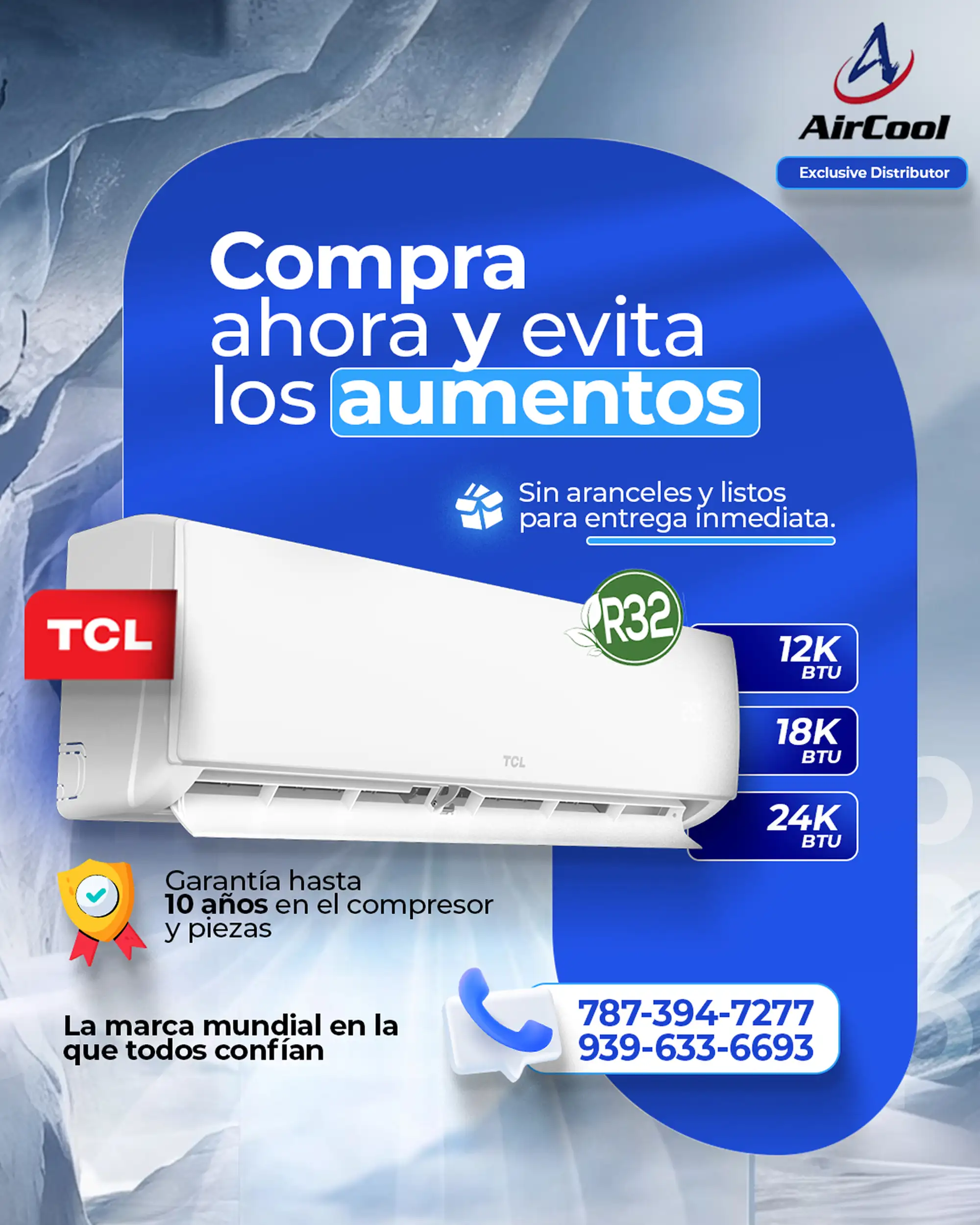
Notice what isn't on it: no price, no "free", no tax-credit promise, no wall of bullet points. A post like this starts a conversation; the offer, the survey and the numbers come later, in the comments, the DMs or on the landing page.
Which solar ad claims should you stop using in 2026?
Some of the most common phrases on solar graphics are now out of date, misleading or both. Check every template and old ad you still run against this list:
| Claim on the graphic | Why it's a problem | What to say instead |
|---|---|---|
| "Get 30% back with the federal solar tax credit" | For US homeowners who buy a system, the Section 25D credit ended for systems installed after 31 December 2025 under the 2025 budget law (H.R. 1) | Focus on bill savings, backup power and system quality; mention leases or PPAs only if you offer them, and get tax claims checked |
| "Free solar" or "$0 cost solar" | The FTC says free or no-cost solar panel offers are scams; most "free" offers are leases where the homeowner still pays | "$0 down" only if true, with the financing type stated plainly |
| "New government solar programme" | Implying government affiliation is a classic solar scam tactic flagged by the FTC and US Treasury | Name the specific local rebate or utility programme, if one genuinely applies |
| "Eliminate your electric bill" | Rarely true for every customer; depends on usage, roof, tariff and fixed utility charges | "Cut your bill" with a real, typical customer example you can document |
| "Panels pay for themselves in 5 years" | Payback varies by location, price and tariff; a blanket figure invites complaints | "Get a payback estimate for your roof" as the call to action |
Rules differ by country and state, and this isn't legal advice. In the UK, for example, ad claims are policed by the Advertising Standards Authority and savings claims need evidence. If your post mentions financing, note that Meta requires US advertisers running ads for financial products and services, which include loans and financing, to declare a special ad category, which limits targeting. Check Meta's current policy before you build a solar-loan campaign around narrow audiences.
What should a solar company post over a long sales cycle?
Because prospects watch for months, plan a mix rather than repeating the same offer ad. A content calendar like the one in our guide to building a social media content calendar for a small business works well with these five buckets:
| Post type | What it shows | What it does | Rough share |
|---|---|---|---|
| Install stories | Before-and-after roofs, time-lapse of a real install, the crew | Proves you're real and local | About 30% |
| Problem posts | High bills, outages, an old or failing inverter | Gets the right people to stop and think | About 20% |
| Explainers | How batteries work, what a survey involves, lease vs buy | Answers the questions that stall a sale | About 20% |
| Reviews and team | Real review screenshots, installer intros, certifications | Builds the trust "free solar" ads can't | About 20% |
| Offers | A seasonal survey slot, a battery add-on, a service plan | Turns warm followers into enquiries | About 10% |
The low share for offers is deliberate. Paid offer ads work far better when a prospect who clicks through finds a feed full of real installs and real people, not ten more offer graphics.
Should solar ads for new installs and for repairs look different?
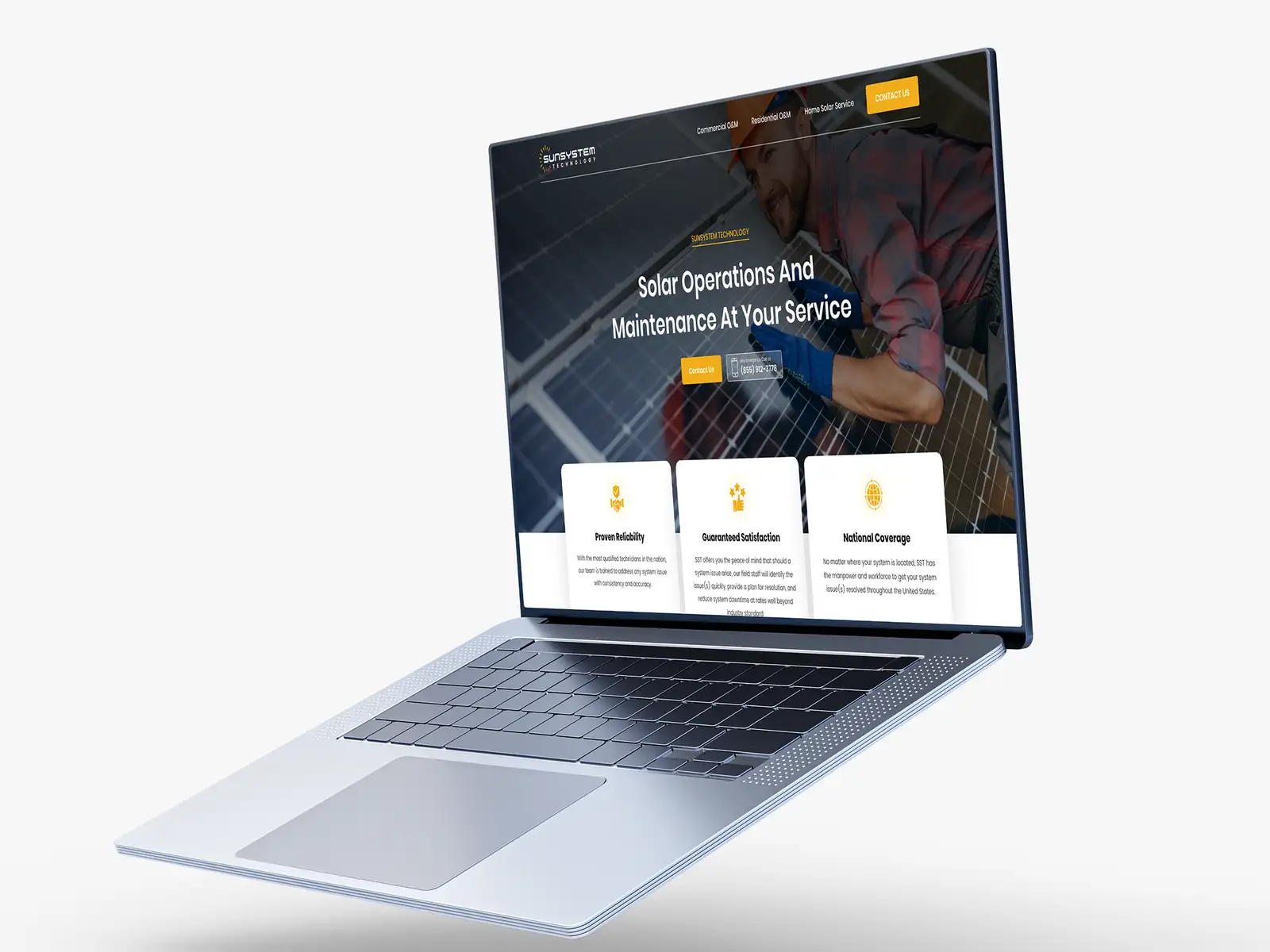
Yes. Many solar companies now earn steady work from operations and maintenance (O&M): repairs, monitoring and servicing for systems already on roofs, sometimes systems whose original installer is no longer trading. That's a different audience with a different worry. A new-install prospect asks "Is this worth it?"; an existing owner asks "Who can fix this, and how fast?" Repair graphics should read more like a trade service ad: the problem named plainly, response times or coverage you can honour, and a phone number front and centre.
What sizes should solar graphics be for Facebook and Instagram?
Design each campaign in two or three shapes. Meta's Ads Guide is the source of truth and its recommendations change, so check it before a big launch.
| Format | Ratio | Common size | Solar design note |
|---|---|---|---|
| Feed post or ad | 4:5 | 1080 × 1350px | The main format for problem posts and offers |
| Stories and Reels | 9:16 | 1080 × 1920px | Ideal for install time-lapses; keep text clear of the top and bottom app controls |
| Carousel | 1:1 or 4:5 | 1080 × 1080px or 1080 × 1350px | Before-and-after roofs and step-by-step explainers |
What mistakes make solar social media graphics fail?
- Stock rooftops and stock families. They're the default look of lead-generation ads. Spend half a day photographing two or three real installs; it pays for itself in every post after.
- Spec walls. Panel wattage, inverter model and warranty years all on one square. Put one spec on the graphic and the rest in the caption.
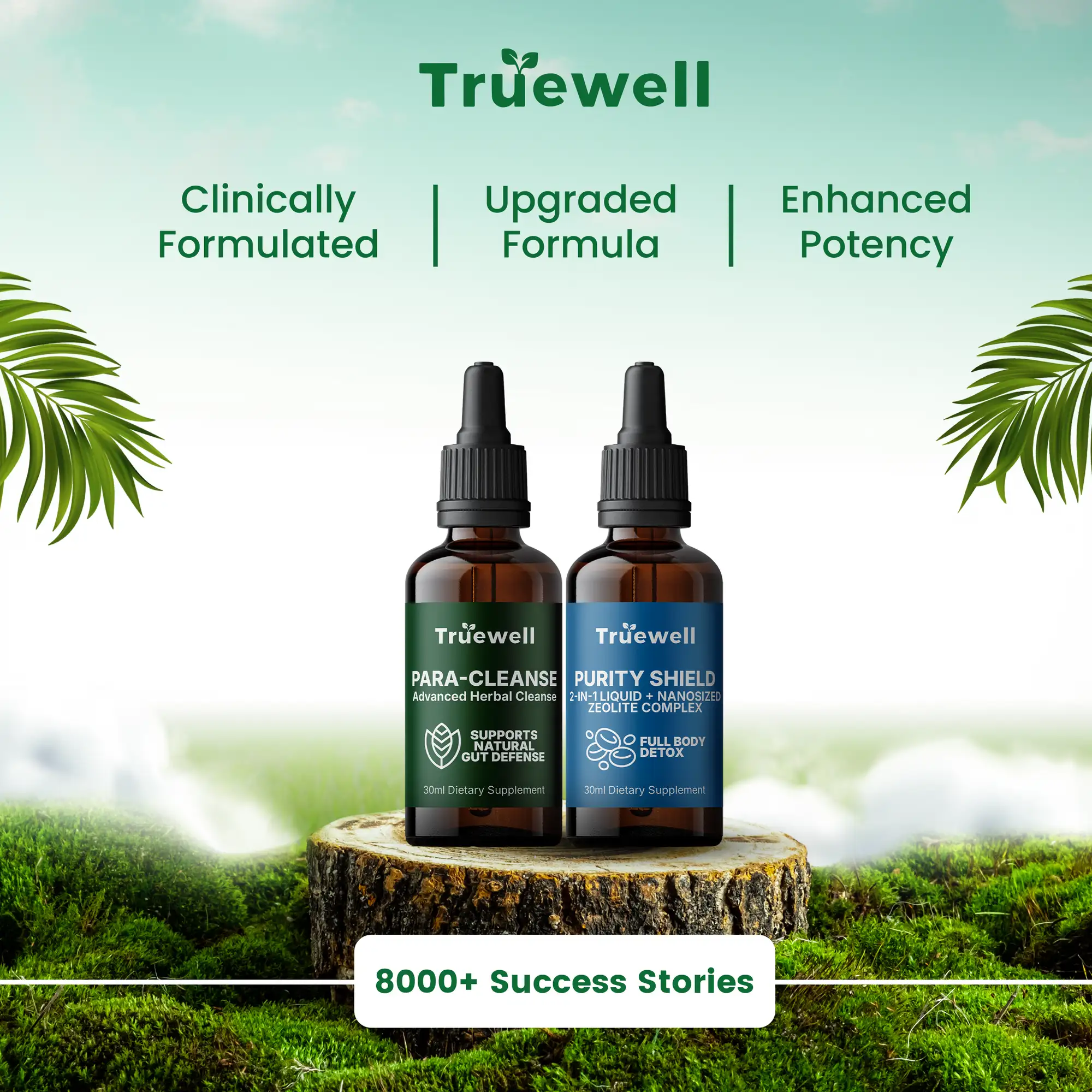
- AI images that invent the product. Generated roofs often show panels that don't match your hardware, impossible layouts or warped logos. Use AI for backgrounds at most and keep real install photos on top; our guide to AI image generation for brands covers where it helps and where it doesn't.
- Flag colours and government styling. Eagle icons, seals and official-looking typography suggest a government link you don't have.
- A different look every week. Random colours and fonts make the feed look like several companies. A template system, like a social media branding kit for small businesses, keeps it consistent when different people post.
How do we design social media graphics for a solar company?
If you'd rather hand over the posting as well as the design, our guide to social media marketing packages for small businesses explains what a monthly package should include. Or see our SEO and social media marketing services for solar and other trade businesses. We design in English and other languages, including Spanish-language campaigns like the one above.
Frequently asked questions
What should solar companies post on social media?
Mix real install stories (before-and-after roofs, crew photos, time-lapses), problem posts about high bills and outages, short explainers on batteries, surveys and lease vs buy, reviews and team introductions, and a small share of offers. Each graphic should carry one promise, one proof point you can back up and a clear next step.
Can solar ads still mention the 30% federal tax credit in 2026?
Not for US homeowners buying a system. The Section 25D residential clean energy credit ended for systems installed after 31 December 2025 under the 2025 budget law (H.R. 1). Some leased and PPA systems owned by companies may still qualify for business credits, so if you offer those, have a tax professional check the wording before it goes on an ad.
How do I make my solar company's social media look trustworthy?
Use your own photos of real installers and installs instead of stock rooftops, keep one consistent template system with the logo in the same place, show proof you can back up such as years installing, certifications and real review scores, and avoid "free solar", government-style imagery and claims you can't document.
What size should solar Facebook and Instagram ads be?
Design feed ads at 4:5 (1080 × 1350px) and Stories and Reels at 9:16 (1080 × 1920px), with carousels at 1:1 or 4:5. Keep text and phone numbers away from the top and bottom of 9:16 designs, where app controls cover them, and check Meta's Ads Guide for current specs.
Want this done for you?
FRPROTECH is a Top Rated Plus Upwork agency with 3,000+ projects delivered across 30+ countries. Tell us your goals and we'll handle the rest.

Written by Faisal Rizwan, CEO & Founder of FRPROTECH. 8+ years and 3,000+ projects building brands and websites for clients in 30+ countries, with a 100% Job Success Score as a Top Rated Plus freelancer on Upwork.