Social Media Graphic Design for HVAC Companies: What Gets the Phone to Ring (With 2 Real Ads)
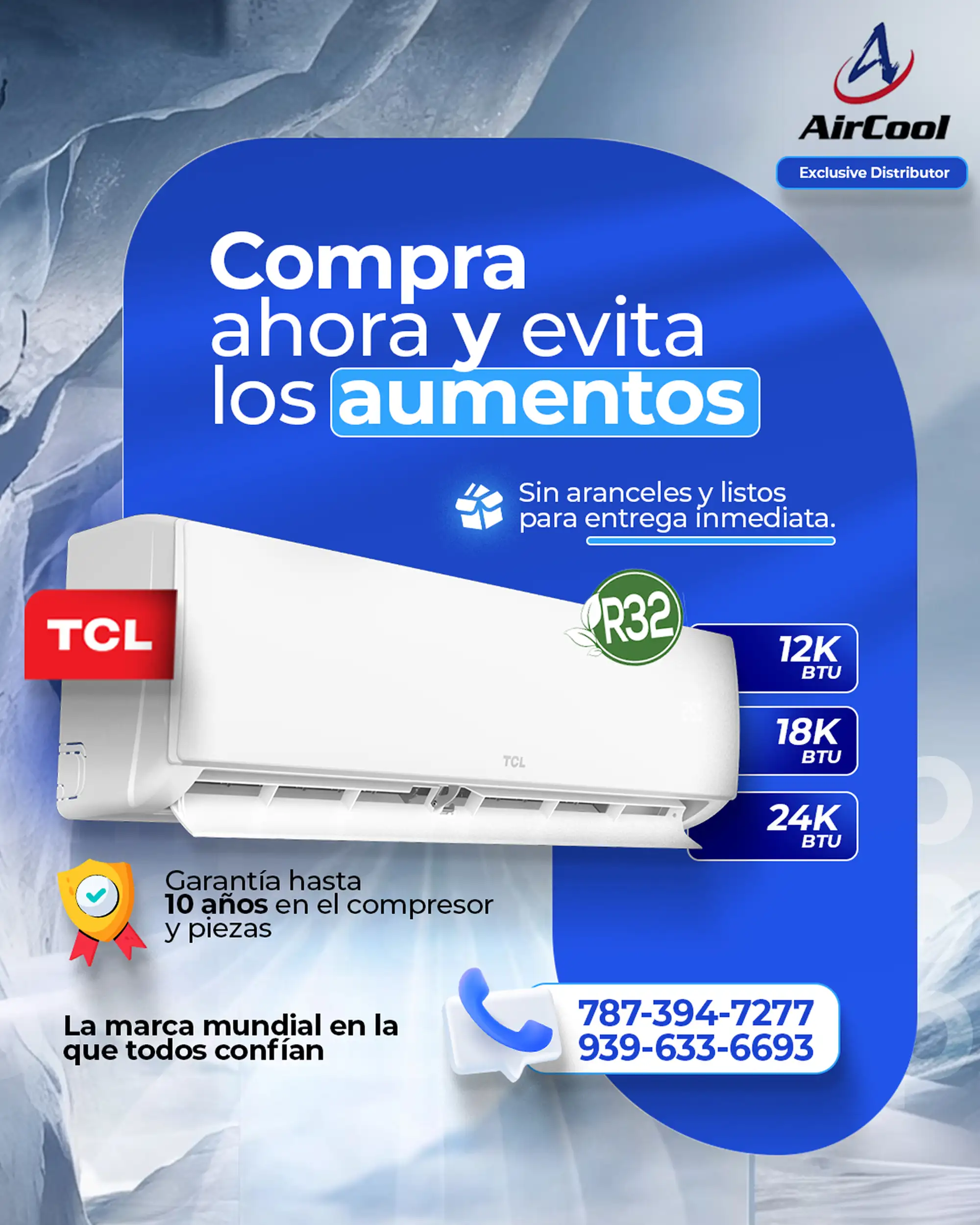
Social media graphic design for HVAC companies works when a homeowner scrolling past can see four things in about two seconds: the offer, the actual equipment or service, a reason to trust you (warranty, licence, years in business) and a phone number big enough to tap. Everything else, from colours to illustrations, exists to make those four things easier to read. Most HVAC posts fail because they bury the number, use generic stock photos and say the same "quality service you can trust" line as every competitor.
HVAC is also unusually seasonal and urgent. People rarely browse air conditioning for fun; they look when it's hot, cold, broken or about to get more expensive. Your graphics need to be ready before those moments, not designed in a rush during them. Below is what each post needs, a seasonal content plan, the sizes to design for, the mistakes that waste ad spend, and two real HVAC ads from our portfolio.
What should an HVAC social media post or ad show?
Whether it's an organic post or a paid ad, an HVAC graphic has one job: get the right person to call, message or book. In order of importance:
- One clear offer or message. "Buy now before prices rise", "Same-day AC repair" or "Book your autumn furnace tune-up". One headline per graphic. If you have three offers, make three graphics.
- The real equipment or a real technician. A clean product shot of the unit you actually sell, or a photo of your own van and team, beats a stock photo of a smiling stranger holding the wrong tool.
- Specs the buyer recognises. Capacity (BTU or tonnage), efficiency rating, refrigerant type or brand. These are the details a buyer compares, and putting them on the graphic filters out the wrong enquiries.
- A trust signal. Warranty length, licence or certification, years in business or a review rating. Pick the one that's true and strongest for you.
- The call to action, styled as a button. A phone number in its own high-contrast panel, or a short line like "Request your price". Never in small footer text.
- Your logo, small and consistent. Top corner, same place on every post, so the feed builds recognition without the logo competing with the offer.
A good HVAC social graphic is a small advert, not a decoration: one offer, the real equipment or team, one trust signal and a phone number or booking step that's readable on a phone screen. If someone can't tell what you're offering and how to get it in two seconds, the design isn't finished.
What should an HVAC company post in each season?
Plan the year in advance so your graphics are ready before demand spikes. A rough calendar for a heating and cooling business in a four-season climate (shift it for hot or mild regions):
| Season | What customers are thinking | Posts and ads to have ready | Call to action |
|---|---|---|---|
| Early spring | "Will my AC survive summer?" | AC tune-up offers, filter reminders, maintenance plan sign-ups | Book a tune-up |
| Summer | "My AC just stopped working." | Emergency repair, same-day service, new system offers, financing | Call now (phone number front and centre) |
| Autumn | "Is the heating ready?" | Furnace and heat pump checks, carbon monoxide safety, seasonal discounts | Book a heating check |
| Winter | "There's no heat." | Emergency heating repair, frozen heat pump tips, replacement offers | Call now |
| All year | "Can I trust these people?" | Team intros, before-and-after installs, reviews, how-it-works posts | Follow, message or get a quote |
The all-year row is what makes the paid ads work: when someone sees your emergency ad in July, a feed full of real installs and real technicians is what convinces them to call you rather than the next result. Our guide to building a social media content calendar for a small business shows how to plan this so posting doesn't stall in the busy season, when nobody in the office has time to make graphics.
Should HVAC ads for homeowners and for technicians look different?
Yes, if you sell to both. Many HVAC businesses have two audiences: homeowners who want comfort and a fixed problem, and trade buyers (installers, technicians, contractors) who want availability, specs and trade pricing. The same product needs a different message for each:
- Homeowners: lead with the outcome and the urgency (cool home, lower bills, fast install), show the warranty, and make the phone number unmissable.
- Technicians and contractors: lead with availability and trade terms, show the full capacity range and refrigerant type clearly, and ask them to request trade pricing rather than call a consumer line.

Refrigerant type is worth showing on trade ads in particular. In the US, new residential split systems made from 2025 use lower-GWP refrigerants such as R-32 and R-454B under the EPA's AIM Act rules, and installers check this before ordering. Rules are still being adjusted (in 2026 the EPA dropped the installation deadline for older R-410A stock), so confirm the current position with your supplier before you make it a headline.
What sizes should HVAC graphics be for Facebook and Instagram?
Design each campaign in two shapes and you'll cover almost every placement. Meta's own Ads Guide is the source of truth and its recommendations do change, so check it before a big campaign.
| Format | Ratio | Common size | Design note |
|---|---|---|---|
| Feed post or ad | 4:5 | 1080 × 1350px (or larger at the same ratio) | Takes the most screen space in the feed; the main format for offers |
| Stories and Reels | 9:16 | 1080 × 1920px | Keep text and the phone number clear of the top and bottom app controls |
| Square (carousels, some placements) | 1:1 | 1080 × 1080px | Useful for before-and-after install carousels |
Two practical tips. First, put the phone number in the middle band of the 9:16 version, not at the very bottom, where buttons and captions cover it. Second, test the 4:5 graphic at phone size before you approve it: if the BTU labels or warranty line are unreadable at arm's length, make them bigger or cut them.
What mistakes make HVAC social media graphics fail?
- Stock photos that don't match the trade. Homeowners and technicians notice the wrong equipment, a spotless model in a hard hat, or a unit you don't sell. Use your own photos or clean manufacturer product shots you're licensed to use.
- Too many offers on one graphic. Repair, install, financing, maintenance plans and a discount on one square means nothing is readable. One offer per graphic.
- A tiny or missing phone number. For an urgent service, the number is the most important element on the page.
- Unverifiable claims. "Cheapest in town" or "lowest prices guaranteed" invite complaints. Stick to what you can prove: warranty terms, licences, years in business, real review scores.
- AI product images that change the equipment. Generated images often redraw logos, vents and badges. If you use AI for backgrounds or scenes, keep the real product photo on top; our guide to AI image generation for brands covers where it helps and where it doesn't.
- A different look every week. Random colours and fonts make the feed look like several companies. A template system fixes this.
Does an HVAC company need a social media template kit?
If you post more than once a week or run ads every season, yes. A set of branded templates (offer post, emergency service ad, review post, team intro, seasonal reminder, each in 4:5 and 9:16) means the office manager or your marketing person can swap the offer and photo without breaking the design. That's the idea behind a social media branding kit for small businesses, and it's what keeps a campaign like the one above consistent across a dozen ads.
If your logo doesn't hold up small on a phone screen or the side of a van, fix that first; the same rules from logo design for construction companies apply to trades like HVAC. And if you'd rather hand the whole thing over, our guide to social media marketing packages for small businesses explains what a monthly package should include. For writing the ads themselves, see ad creatives that convert.
How do we design social media graphics for an HVAC business?
FRPROTECH has delivered 3,000+ projects across 30+ countries over 8+ years, with a 100% Job Success score and Top Rated Plus status on Upwork. We design in English and other languages, including campaigns like the Spanish-language ads above. See our SEO and social media marketing services for HVAC social graphics, ad creative and monthly content.
Frequently asked questions
What should HVAC companies post on social media?
Post seasonal offers before demand peaks (AC tune-ups in spring, heating checks in autumn), emergency repair messages in summer and winter, and trust-building content all year: real installs, team introductions, reviews and simple maintenance tips. Each graphic should have one offer, the real equipment or team, one trust signal and a clear phone number or booking step.
What size should HVAC Facebook and Instagram ads be?
Design every campaign in 4:5 for the feed (1080 × 1350px or larger at the same ratio) and 9:16 for Stories and Reels (1080 × 1920px). Keep the text and phone number away from the top and bottom of the 9:16 version, where app controls cover it, and check Meta's Ads Guide for the current specs.
Should HVAC ads use stock photos?
Avoid generic stock where you can. Your own photos of real technicians, vans and installs, or clean manufacturer product shots you're licensed to use, are more convincing. Customers and technicians notice equipment that doesn't match what you sell or install.
How do I make my HVAC social media look professional?
Use one consistent template system: the same logo position, two or three brand colours, one or two fonts and a fixed spot for the phone number or call to action. Put one offer on each graphic, use real photos and check every design at phone size before posting.
Want this done for you?
FRPROTECH is a Top Rated Plus Upwork agency with 3,000+ projects delivered across 30+ countries. Tell us your goals and we'll handle the rest.

Written by Faisal Rizwan, CEO & Founder of FRPROTECH. 8+ years and 3,000+ projects building brands and websites for clients in 30+ countries, with a 100% Job Success Score as a Top Rated Plus freelancer on Upwork.