How Much Does a Shopify Store Cost to Build? (2026)
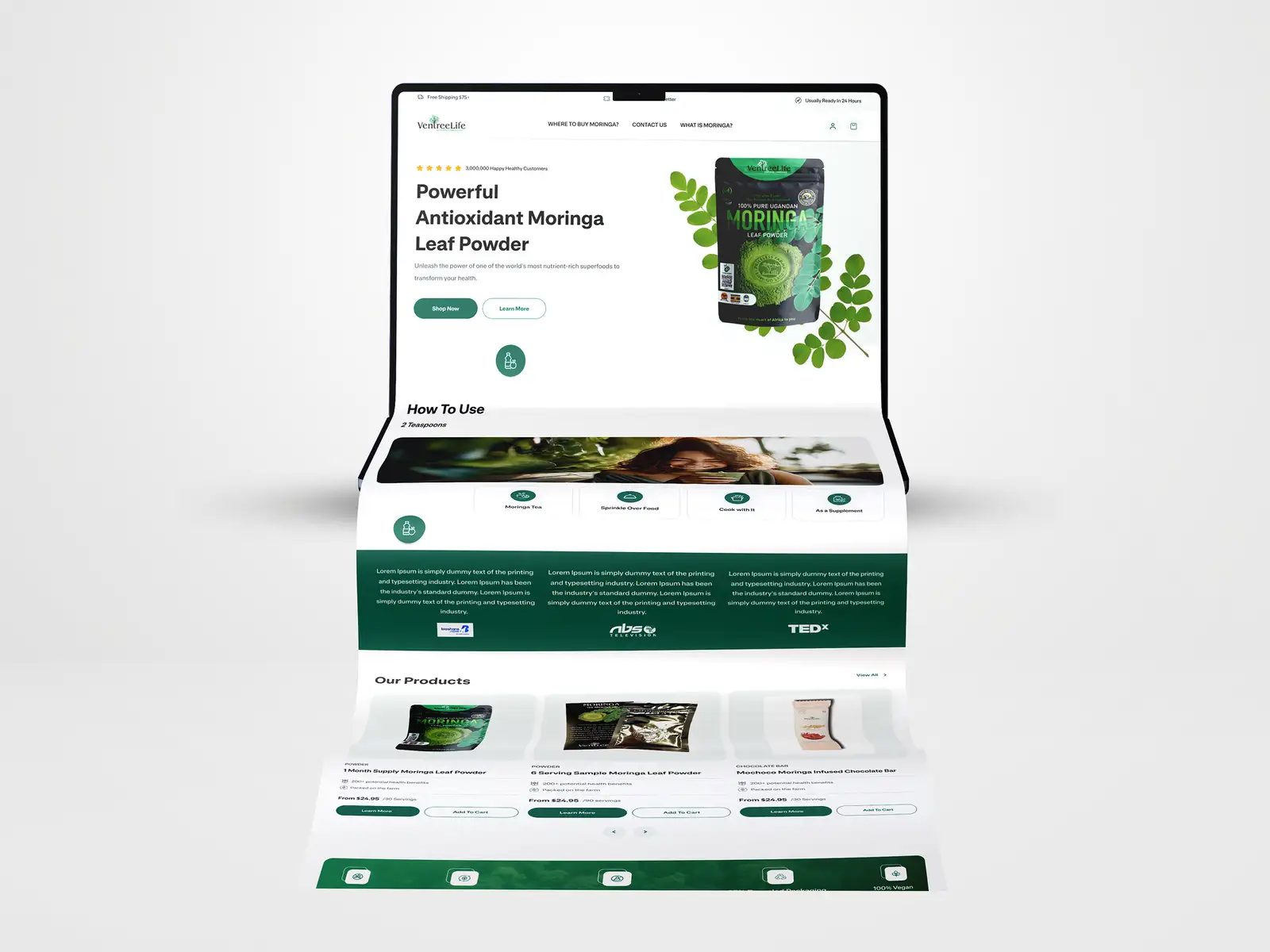
A Shopify store costs roughly $2,000–$5,000 to build with an experienced freelancer, $5,000–$25,000 with an agency, or a few hundred dollars if you build it yourself on a premium theme in 2026. On top of the one-off build, you pay Shopify's monthly plan — around $39 a month on Basic, $105 on Grow and $399 on Advanced ($29/$79/$299 if billed annually) — plus apps, and payment-processing fees of about 2.9% + 30¢ per online sale on Basic. For most small businesses launching a real store, a sensible all-in first-year budget is $3,000–$8,000: the build, the plan, a theme, a handful of apps and a logo. The build fee is only half the picture — always separate the one-off design-and-build cost from the ongoing monthly running cost, and treat every figure as a range that moves with your page count, custom features and apps. Verify Shopify's current plan prices before you budget, because they change.
The build fee is the number founders ask about first, and the one that tells you the least on its own. A $400 DIY store and a $6,000 custom build both put products online — but only one is set up to convert, load fast, and scale without being rebuilt in a year. We design and build Shopify and ecommerce stores for small businesses as a Top Rated Plus studio on Upwork — 8+ years, 3,000+ projects across 30+ countries and a 100% Job Success score — so the ranges below are what we see quoted and paid in the real market, not a rate card. This is the working answer: what a Shopify store costs to build at each tier, what it costs to run every month, why the range is so wide, and how to budget so the monthly fees don't surprise you. Shopify's pricing and app costs shift, so confirm live figures before you commit.
How much does a Shopify store cost to build in 2026?
To build a professional, custom Shopify store, most small businesses spend $2,000–$5,000 with an experienced freelancer or small studio, while agencies commonly charge $5,000–$25,000 for larger or more complex builds. A do-it-yourself store on a premium theme can be live for a few hundred dollars. The wide range exists because "a Shopify store" covers everything from a five-product template setup to a fully custom, app-integrated shop. Here's how the build tiers compare — every figure is a range that moves with scope, seniority and complexity, and none of it includes the monthly running costs below:
| Route | Typical build cost (USD) | What you get | Best for |
|---|---|---|---|
| DIY on a free/premium theme | $0–$500 | You set up a theme yourself; premium themes run ~$150–$400 one-time | Testing an idea or the tightest launch budget |
| Experienced freelancer / small studio | $2,000–$5,000 | Custom theme setup, branded design, core apps, launch-ready store | Most small businesses launching a real store |
| Design agency | $5,000–$25,000 | Custom design, bespoke features, integrations, project management | Funded or established brands with complex needs |
| Enterprise (Shopify Plus build) | $25,000+ | Fully custom, high-volume, deep integrations | Large stores past ~$1M in annual sales |
For most readers here — a small business or early-stage brand — the honest target is the $2,000–$5,000 band with an experienced freelancer or small studio. Below roughly $1,000 you're usually buying a light theme install with little conversion thinking, and you'll often pay again within a year to redo it. Above $10,000 you're generally paying for agency research, bespoke development and account overhead that most small stores don't need until they're scaling. If you want to see exactly what a done-for-you engagement covers, our Shopify store design service walks through the full process; and if you're still choosing a platform, our comparison of WordPress vs Webflow vs Framer helps you decide whether Shopify is even the right home for your store.
Read this before comparing any two quotes: the build fee and the running cost are two completely different numbers. The one-off fee pays a designer or agency to build your store; the monthly cost is what you pay Shopify (and your apps) to keep it running forever. A quote of "$3,000" almost always means the build only — the $39–$399/month plan, apps and payment fees sit on top. Mixing the two is the most common way founders under-budget a Shopify store by thousands over the first year.
What are the ongoing monthly costs of running a Shopify store?
Separate from the build, running a Shopify store costs the monthly plan plus apps plus payment-processing fees. The plan itself starts around $39 a month on Basic and rises with your needs; realistic all-in monthly running costs for a small store, once you add a few apps, usually land at $60–$300 a month. Here are Shopify's core plan prices in 2026 (Shopify renamed the mid-tier "Shopify" plan to "Grow" — verify current figures, as they change):
| Plan | Monthly (billed monthly) | Monthly (billed annually) | Online card fee (Shopify Payments) |
|---|---|---|---|
| Basic | ~$39 | ~$29 | 2.9% + 30¢ |
| Grow (formerly "Shopify") | ~$105 | ~$79 | 2.7% + 30¢ |
| Advanced | ~$399 | ~$299 | 2.6% + 30¢ |
| Plus (enterprise) | from ~$2,300 | custom | negotiated |
Two things founders miss. First, payment fees: on top of the plan, Shopify Payments takes roughly 2.9% + 30¢ per online transaction on Basic (a little lower on higher plans), and if you use a third-party payment gateway instead, Shopify adds a surcharge (about 2% on Basic, falling on higher plans). Second, apps: most stores add paid apps for email, reviews, upsells or subscriptions, and these commonly total $50–$200+ a month. Budget the plan, the apps and the payment fees together — the sticker price of the plan is rarely the real monthly cost.
Why does the cost of building a Shopify store vary so much?
Two stores can cost $800 and $8,000 to build and both look finished at a glance, so the range confuses founders. The difference is rarely the theme — it's everything wrapped around it. The levers that move a Shopify build quote up or down:
- Number of products and pages. A five-product store is quick; hundreds of products, collections, variants and content pages take real time to set up and organise.
- Design depth. A lightly customised premium theme is cheap; a bespoke, on-brand design with custom sections and a conversion-focused layout costs more and usually earns it back.
- Custom features and apps. Subscriptions, bundles, multi-currency, complex shipping rules and custom app integrations each add development time.
- Data migration. Moving an existing catalogue, customers and orders from another platform (WooCommerce, Wix, Etsy) is real work that a fresh store doesn't need.
- Content and assets. Product photography, copywriting and a professional logo and brand identity are often quoted separately — a store is only as good as what fills it.
- Who builds it. A senior freelancer costs more per hour than a junior but usually needs fewer rounds; an agency adds project-management overhead you pay for whether you need it or not.
Freelancer vs agency vs DIY for a Shopify store — which is right?
For most small businesses, an experienced freelancer or small studio is the best value — senior, conversion-aware work without agency overhead. Build it yourself only when the budget is truly zero and you can accept a template look; go to an agency when the store's complexity, scale or internal sign-off genuinely needs a team. The trade-offs:
| Route | Typical build cost | Strength | Watch-out |
|---|---|---|---|
| DIY on a theme | $0–$500 | Cheapest; you control everything | Templated look, slow to learn, easy to misconfigure checkout and speed |
| Freelancer / small studio | $2,000–$5,000 | Senior work, direct access, strong value | Capacity limits; check the portfolio and that they handle apps and speed |
| Design agency | $5,000–$25,000 | Team, bespoke development, integrations | Overhead and account layers you fund whether you need them or not |
The freelancer-versus-agency gap is smaller than the price gap suggests. A strong independent studio often delivers the store quality a small business needs at a fraction of the agency figure, because you're not funding account managers and new-business teams. The real question isn't "freelancer or agency" — it's whether whoever you hire understands ecommerce conversion and can prove it in past stores. If you're deciding how to brief and hire, our Shopify store design service guide sets out what a good engagement should deliver end to end.
What should a professional Shopify store build include?
At the $2,000–$5,000 level, a small business should expect far more than a theme switched on. A complete build usually includes:
- Theme setup and on-brand design — a customised, mobile-first layout that reflects your brand rather than a stock template.
- Product and collection setup — your catalogue loaded with clean titles, descriptions, variants, images and organised collections.
- A conversion-focused homepage, product and cart/checkout flow — the pages that actually decide whether visitors buy.
- Core apps configured — email capture, reviews, and any subscription or upsell tools your model needs, set up rather than just installed.
- Payments, shipping and tax — Shopify Payments (or your gateway), shipping rates and tax settings configured and tested end to end.
- Speed and SEO basics — fast-loading images, clean metadata and a store structure search engines and AI assistants can read.
- A short handover — so you can add products and run the store yourself after launch.
If you find yourself wanting a full brand system — logo, colour, type and guidelines — before the store even goes live, you've got a branding project sitting alongside the build; our guide to how much a logo design costs for a small business helps you budget that piece separately so it doesn't get buried in the store quote.
How much should a small business budget for a Shopify store?
Budget to your stage, not to the biggest number you've been quoted. A rough all-in guide for the first year:
- Testing an idea ($500–$1,500 all-in). DIY or a light freelancer theme setup, Basic plan, a couple of free or cheap apps. Enough to validate products before you invest more.
- Launching a real small business ($3,000–$8,000 all-in). An experienced freelancer or studio build ($2,000–$5,000), the Basic or Grow plan, a premium theme, a handful of apps, and a logo. The sweet spot for most.
- Growing store that needs custom features ($8,000–$20,000 all-in). Agency or senior build with bespoke features, integrations and migration, on Grow or Advanced. The right spend once volume justifies it.
- Established brand at scale ($25,000+). A Shopify Plus build with deep integrations and high-volume infrastructure — only when annual sales genuinely warrant it.
Is it worth paying to build a Shopify store professionally?
For any small business that wants to actually sell — not just be online — a professionally built store is one of the higher-leverage purchases you can make. A store that loads fast, guides visitors to checkout and reflects your brand converts a far larger share of the traffic you already pay for, so the build cost is usually recovered in extra sales rather than lost. The waste isn't in paying for good work; it's in paying twice because the first template store was too thin to convert, or in paying agency prices for a job a senior freelancer would have nailed. Match the spend to your stage, keep the build fee and the monthly running costs as separate lines in your budget, and treat the store as a sales asset rather than a cost to shave.
If you'd like a fixed, no-surprises quote for your stage, you can see the work and start a conversation on our Upwork profile or through our website and ecommerce development service. Bring your product range, your platform and a couple of stores you admire, and a good builder will size the brief honestly rather than upselling you into features you don't need yet.
Frequently asked questions
How much does it cost to build a Shopify store in 2026?
A professional Shopify store costs roughly $2,000–$5,000 to build with an experienced freelancer or small studio, and $5,000–$25,000 with an agency for larger or custom builds. A do-it-yourself store on a premium theme can launch for a few hundred dollars. On top of the one-off build you pay Shopify's monthly plan ($39–$399), apps and payment fees. Most small businesses should budget $3,000–$8,000 all-in for the first year, and verify Shopify's current prices before committing.
What are the monthly costs of running a Shopify store?
The Shopify plan starts around $39 a month on Basic, $105 on Grow and $399 on Advanced (about $29/$79/$299 if billed annually). On top of that you pay payment-processing fees — roughly 2.9% + 30¢ per online sale on Basic, a little lower on higher plans — plus paid apps, which commonly add $50–$200+ a month. Realistic all-in running costs for a small store are usually $60–$300 a month.
Is it cheaper to build a Shopify store yourself or hire someone?
Building it yourself is cheapest — a premium theme costs around $150–$400 one-time and you do the setup. Hiring an experienced freelancer ($2,000–$5,000) or agency ($5,000–$25,000) costs more but gets you a conversion-focused, on-brand store set up correctly. DIY makes sense for testing an idea; once the store needs to actually sell reliably, a professional build usually pays for itself in the extra sales a faster, better-structured store converts.
Does the build cost include the Shopify subscription?
No. The build cost is a one-off fee paid to the designer or agency who builds your store. The Shopify subscription ($39–$399 a month depending on plan), apps and payment-processing fees are separate ongoing costs you pay to Shopify for as long as the store runs. Always confirm whether a quote covers the build only (it usually does) so you can budget the monthly running costs on top.
Want this done for you?
FRPROTECH is a Top Rated Plus Upwork agency with 3,000+ projects delivered across 30+ countries. Tell us your goals and we'll handle the rest.
Written by the FRPROTECH design team. 8+ years building brands and websites for clients in 30+ countries, with a 100% Job Success Score on Upwork.