AI Website Builders in 2026: Can They Replace a Web Developer?
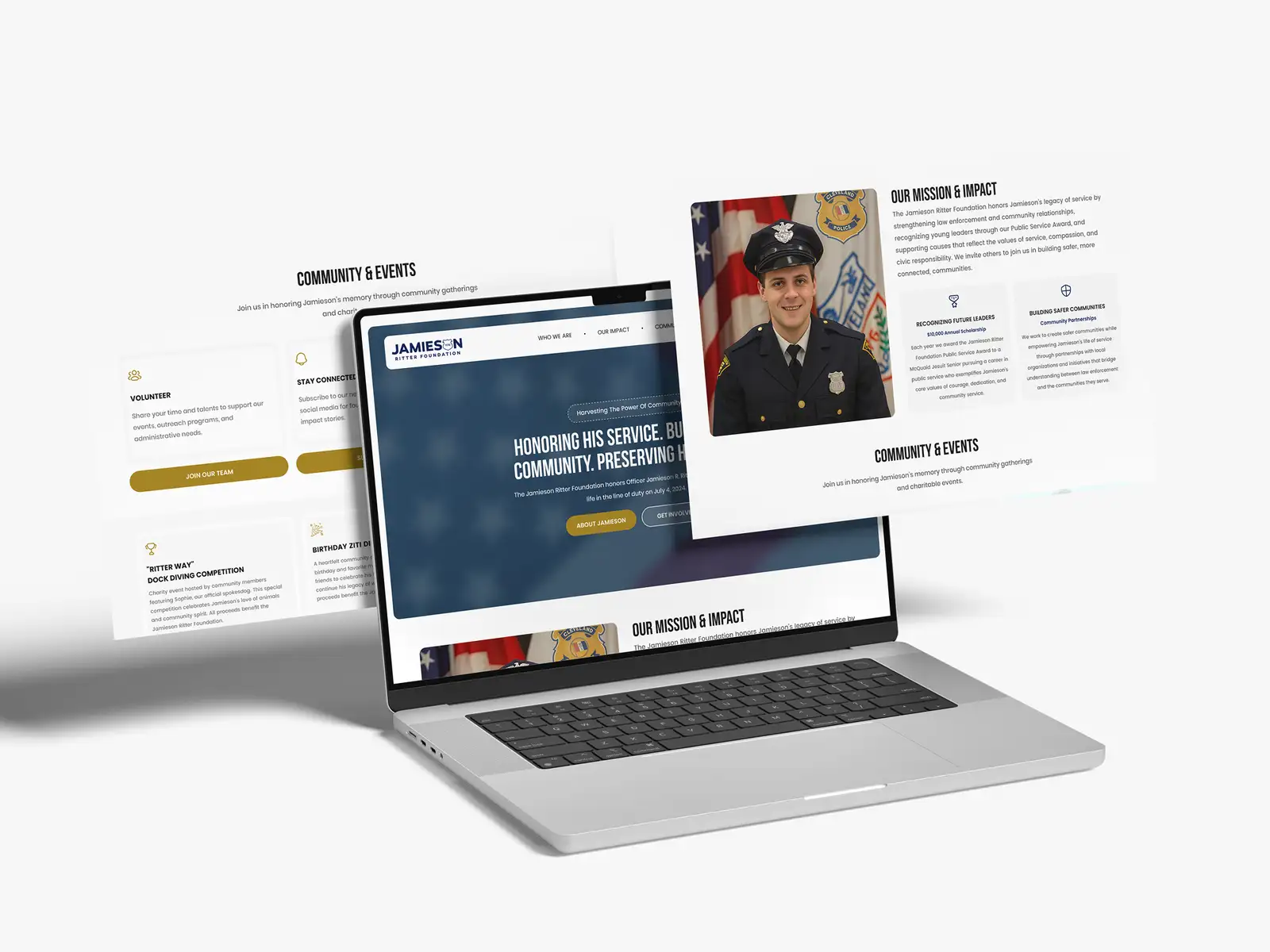
AI website builders are tools that generate a complete, styled website — layout, copy, images and working pages — from a plain-language prompt or a few questions, without you writing code or dragging every element by hand. In 2026 they are genuinely good, and for simple sites they can replace a developer: a one-page portfolio, a small local-business site, a launch landing page, or a quick MVP can go live in an afternoon for the price of a monthly subscription. Where they stop paying off is scale and specificity — the moment you need custom functionality, serious SEO, integrations, unique UX, or a design that doesn't look templated, the code quality, structured-data control and performance limits of most builders start working against you. So the useful answer is not "AI builder" or "developer" but a line between them: use the builder while your site is simple and standard, and bring in a developer the moment it becomes a business-critical asset that has to rank, convert and grow.
As a Top Rated Plus web development agency on Upwork with 8+ years and 3,000+ projects across 30+ countries and a 100% Job Success score, we build sites in exactly the tools these builders are trying to replace — and we use AI in our own workflow every day. That gives us no reason to oversell either side. Here's the honest read on when an AI website builder is the right call, and when it will cost you more than it saves.
What AI website builders actually do now
The category has moved a long way past the drag-and-drop builders of a few years ago. The current generation is prompt-first: you describe the business and the goal, and the tool generates the structure, writes first-draft copy, picks a colour and type system, sources or generates images, and assembles a responsive multi-page site you can edit. The best of them do this in minutes, and the output is polished enough to launch.
Under the surface, though, the market has split into three distinct lanes that are easy to confuse — and picking the wrong lane for your project is the single most common mistake we see.
| Lane | Tools (examples) | Best for | The catch |
|---|---|---|---|
| All-in-one business builders | Wix AI, Squarespace, Hostinger | Small-business sites, portfolios, blogs — hosting, domain and editor in one place | Templated feel; limited technical SEO and code control; you're locked to the platform |
| Design-first builders | Framer, Webflow | Beautiful marketing sites, landing pages and portfolios with fine visual control | Steeper learning curve; can still get heavy; advanced logic needs workarounds |
| Code-first / full-stack builders | v0, Lovable, Bolt, Replit | Web apps, MVPs and custom UI — they generate real React/Next.js code | The 'last 20%' — auth, edge cases, security, scale — still needs a developer |
The first lane replaces a freelancer for a simple brochure site. The second replaces a designer-plus-developer for a marketing site if you're willing to learn the tool. The third is really AI-assisted coding — closer to vibe coding than to a classic website builder — and it produces an app, not a page, with all the responsibility that implies. Match the lane to the job and these tools are superb. Mismatch it and you'll fight the tool for weeks.
Where AI website builders genuinely replace a developer
Let's be fair to the tools, because the honest answer for a lot of projects is: you don't need us. For the following, an AI website builder is not just acceptable — it's the smart, economical choice, and hiring a developer would be overkill:
- A simple brochure or local-business site. A plumber, a café, a clinic, a consultant — five pages, contact form, map, done. A builder gets this live in an afternoon and keeps it cheap to run.
- A one-page portfolio or personal site. Show your work, link your socials, one call to action. This is a builder's home turf.
- A launch or campaign landing page. You need something live now to test an offer or capture emails. Speed beats craft here, and a builder wins on speed every time.
- An early MVP or prototype. A full-stack builder like v0 or Lovable can spin up a working prototype to put in front of users or investors before you commit real engineering budget.
- A stopgap while you plan the real thing. Launch a builder site today, get discovered, and invest in a custom build once you know what the business actually needs.
The common thread is low complexity and low stakes-per-page. When the site is standard, small, and not yet carrying the weight of your growth, the builder's speed and price are exactly right — and paying a developer would be spending money to move slower.
The honest rule of thumb: use an AI website builder while your website is a business card, and hire a developer once it becomes a salesperson. A business card just needs to exist, look tidy, and be findable — a builder nails that in an afternoon. A salesperson has to rank in Google and AI answers, load fast, convert visitors, integrate with your tools, and scale as you grow — and that's where templated code, weak structured data and platform lock-in quietly cost you far more than a custom build ever would. The question isn't which is better in the abstract; it's which stage your site is at.
Where they quietly cost you — the limits that matter
The trouble with AI website builders is that the bill comes later. The site looks great on launch day, so the problems below stay invisible until you're trying to grow — and by then you've built on the foundation. These are the limits we see catch businesses out most often.
1. SEO and structured data are usually shallow
This is the big one. Most builders give you only basic SEO controls — a meta title and description field — while the technical layer that actually moves rankings is out of reach. AI-generated builder sites frequently ship bloated markup, weak semantic HTML, and little or no control over JSON-LD structured data, which is exactly the schema that tells Google and AI Overviews what your page is. If organic search or being cited by AI matters to you, that ceiling is real. Getting found in 2026 increasingly depends on SEO fundamentals and generative-engine optimisation, and both lean on technical control most builders don't hand over.
2. Performance and Core Web Vitals
Speed is a ranking factor and a conversion factor, and builder output often isn't optimised for it — heavy default scripts, unoptimised assets, and layout frameworks that inflate page weight. A slow Largest Contentful Paint drags both your rankings and your bounce rate. A developer optimises at the infrastructure and code level; a builder mostly can't.
3. Sameness and templated design
AI builders are trained on what already exists, so they regress to the mean — clean, competent, and slightly generic. That's fine for a utility site, but if your brand is a differentiator, a template that a thousand other businesses also generated undercuts it. Standing out still takes deliberate design judgement, the kind we bring to UI/UX and product design.
4. Custom functionality and integrations
The moment you need something the platform didn't anticipate — a bespoke booking flow, a custom checkout, a CRM or API integration, gated content, complex forms — you hit the wall. Builders trade flexibility for ease, and anything off the beaten path becomes a fight or an impossibility.
5. Platform lock-in and the 'last 20%'
On all-in-one builders your site lives in their ecosystem; migrating away later can mean a rebuild. And on code-first builders, the AI gets you 80% there fast, but the last 20% — authentication, security hardening, edge cases, accessibility, scale — is the part that needs an engineer and the part the demo never shows. That final stretch is where 'we'll just use AI' quietly turns into a project.
AI website builder vs developer: how to choose
Strip away the hype and the decision comes down to a handful of honest questions about your project. Run through them before you commit either way:
- How business-critical is the site? If it's the main way you win customers, lean toward custom. If it's a placeholder or a side project, a builder is fine.
- Does organic search matter? If you need to rank and be cited by AI, the SEO and structured-data ceiling of most builders is a serious constraint — favour a developer. If traffic comes from ads or referrals, it matters less.
- How custom is the functionality? Standard pages and forms suit a builder. Bespoke flows, integrations or logic need a developer.
- Is your brand a differentiator? If a distinctive, non-templated look is part of how you compete, don't hand it to a generator. If tidy-and-clear is enough, a builder delivers that.
- What's your timeline and budget today? Need live this week for very little? Start with a builder. Building an asset for the next five years? Invest in the real thing.
- What happens when you grow? Ask whether the choice you make now will still fit at 10x the traffic and features. If not, factor in the rebuild cost — a cheap start that forces an expensive redo isn't cheap.
For many businesses the smartest path is sequential, not either/or: launch on a builder to get live and learn, then commission a custom build once the site is proven and the requirements are clear. You'll also want the basics right whichever route you take — a proper domain name you own, analytics, and a plan for content. If you're weighing an AI chatbot or other AI features on top, the same rule applies: builders bolt on the simple version, developers build the version that actually fits your business.
How we use AI in our own web builds
It would be dishonest to frame this as "AI builders bad, agencies good." We use AI throughout our own process — to scaffold components, draft copy, generate first-pass layouts and accelerate the boring parts. The difference is what happens next: we take that AI-accelerated start and apply the engineering and design judgement the tools can't — clean semantic code, full technical SEO and structured data, performance tuning, accessibility, real integrations, and a brand-specific design. AI makes us faster; it doesn't make the craft optional. That's the same hybrid philosophy we apply to AI design tools: let AI do the heavy lifting, keep human judgement on the decisions that carry the outcome.
The bottom line
In 2026, AI website builders are a real and often excellent choice — for simple, standard, low-stakes sites, they genuinely replace a developer and you shouldn't feel bad about using one. Their limits are just as real: shallow SEO and structured data, performance overhead, templated sameness, weak custom functionality, and lock-in that surfaces the moment you try to grow. So don't ask which is better in the abstract. Ask what stage your website is at. While it's a business card, let a builder ship it fast and cheap. The day it becomes the salesperson your growth depends on, that's when a developer's control over code, SEO, speed and design stops being a luxury and starts being the thing that pays for itself.
If your site has outgrown what a builder can do — or you want it built to rank, convert and scale from day one — that's exactly what our website development team does, with AI where it helps and real engineering where it counts. See verified reviews on our Upwork profile, and get a site that works as hard as your business does.
Frequently asked questions
Can an AI website builder really replace a web developer in 2026?
For simple sites, yes — and honestly you shouldn't hire a developer for those. A one-page portfolio, a small local-business brochure site, a launch landing page or an early MVP can all go live in an afternoon on an AI website builder for the price of a subscription, and paying for custom development would be overkill. Where a builder stops replacing a developer is at scale and specificity: the moment your site needs serious technical SEO and structured data, fast Core Web Vitals, custom functionality or integrations, a distinctive non-templated design, or the ability to grow without a rebuild, the code quality and platform limits of most builders start working against you. The practical way to think about it is by stage — use a builder while your website is essentially a business card, and bring in a developer once it becomes a business-critical asset that has to rank, convert and scale.
Are AI website builders good for SEO?
They're fine for the basics and weak on the parts that actually move rankings in competitive markets. Most builders let you set a meta title and description and generate a sitemap, which covers the fundamentals. But the deeper technical layer — clean semantic HTML, control over JSON-LD structured data (the schema that tells Google and AI Overviews what your page is), fast Core Web Vitals, and advanced internal linking — is where builder sites tend to fall short, because that control usually isn't exposed. Builder output can also ship bloated markup and heavy default scripts that slow the page, which is itself a ranking and conversion penalty. If organic search or being cited by AI assistants is important to your business, that ceiling is a real limitation, and it's one of the strongest reasons to choose custom development. If your traffic comes mainly from ads, social or referrals, it matters much less.
What's the difference between tools like Wix and tools like v0 or Lovable?
They're solving different problems, and confusing them is the most common mistake. All-in-one builders like Wix, Squarespace and Hostinger are aimed at non-technical users who want a complete brochure site — hosting, domain, editor and templates in one place — and they replace a freelancer for a simple site. Design-first tools like Framer and Webflow give designers fine visual control for beautiful marketing sites and landing pages, with a steeper learning curve. Code-first, full-stack builders like v0, Lovable and Bolt are really AI-assisted coding tools: you describe an app and they generate actual React or Next.js code, which makes them powerful for MVPs and custom web apps but leaves the 'last 20%' — authentication, security, edge cases and scale — to a developer. Pick the lane that matches your project: a brochure site, a marketing site, or an app. Using an app builder for a simple brochure, or a brochure builder for an app, is where people waste weeks.
Should I start with an AI website builder and switch to a developer later?
For a lot of businesses, yes — that sequential path is often the smartest and most cost-effective route. Launching on an AI website builder gets you live quickly and cheaply, lets you start getting discovered, and — crucially — teaches you what your site actually needs to do before you spend on a custom build. Once the business is proven and the requirements are clear, you commission a developer to build the real asset with the SEO, performance, custom functionality and distinctive design a builder can't provide. The one thing to plan for is migration: on all-in-one platforms your site lives in their ecosystem, so moving to a custom build usually means a rebuild rather than a lift-and-shift. Budget for that as a known future step rather than a nasty surprise, own your own domain name from the start so you keep your address and SEO equity, and treat the builder site as a deliberate stepping stone — not the final destination.
Want this done for you?
FRPROTECH is a Top Rated Plus Upwork agency with 3,000+ projects delivered across 30+ countries. Tell us your goals and we'll handle the rest.
Written by the FRPROTECH design team. 8+ years building brands and websites for clients in 30+ countries, with a 100% Job Success Score on Upwork.